EdX

Introduction to Energy Management Powered by RETScreen (edX)

Introduction to Energy Management Powered by RETScreen (edX)

The objective of this MOOC is to help organizations combat climate change through effective energy management. It explains proven strategies to reduce greenhouse gases and encourage the transition to a low carbon economy. It also provides an introduction to RETScreen Expert – the world’s leading software to empower cleaner energy decisions.

Class Deals by MOOC List - Click here and see EdX's Active Discounts, Deals, and Promo Codes.

With practical examples and applications, learn how to make the management of energy more efficient, cleaner and more sustainable.
The objective of this MOOC is to help organizations combat climate change through effective energy management. It explains proven strategies to reduce fossil fuel consumption, increase the use of renewable energy, cut greenhouse gases and encourage the transition to a low carbon economy. The RETScreen Expert software, the world’s leading software to empower cleaner energy decisions is used throughout the course.

Module 1: Getting Started – The Foundations of Energy Management
This module introduces the course and lays the foundations for energy management. It has three parts:

  • The strategic imperative of energy management for the sustainability of the planet and the crucial role that organizations and their decision-makers play
  • The elements of a strategic approach to energy management
  • An introduction to the RETScreen software

Module 2: Reducing Energy End-Use - Introducing Benchmarking
This module focuses on the reducing energy consumption strategy and highlights the role of benchmarking. It has three parts:

  • The Reducing Energy End-Use strategy
  • RETScreen’s Virtual Energy Analyzer
  • Benchmarking for energy management

Module 3: Increasing Energy Efficiency - Introducing Feasibility Analysis
This module focuses on the increasing efficiency strategy and highlights the role of feasibility analysis. It has three parts:

  • The Increasing Energy Efficiency strategy
  • Financial analysis for energy management
  • Feasibility analysis for real property

Module 4: Optimizing Energy Supply – Introducing Perfomance Analysis
This module focuses on the optimizing energy supply strategy and highlights the role of performance management. It has four parts:

  • The Optimizing Energy Supply strategy
  • Feasibility analysis for power plants
  • Performance analysis for energy management
  • Reporting for energy management

Module 5: Energy Management – A Strategic Approach
This module brings together all of the strategies, and compares and contrasts them. As the final module, it also includes the exam. It has three parts:

  • A framework for action in energy management
  • Achieving multiple objectives: Carbon pricing
  • Portfolio analysis for energy management

What you'll learn
At the end of this course, students should be able to…
Module 1

  • Identify the context for energy management by organizations
  • Explain why energy management is a strategic issue for organizations
  • List the factors that influence the management of energy
  • Locate the features and components of RETScreen Expert

Module 2

  • Explain the rationale for reducing energy end-use
  • Recognize the elements of the reducing energy end-use strategy
  • Describe RETScreen’s Virtual Energy Analyzer
  • Recognize the steps for using the Virtual Energy Analyzer
  • Explain the role of benchmarking in energy management
  • Recognize the steps of the benchmarking process

Module 3

  • Explain the rationale for increasing energy efficiency
  • Recognize the elements of the increasing energy efficiency strategy
  • Match different financial measures to correct definition
  • Explain the role of feasibility analysis in energy management
  • Recognize the steps of feasibility analysis for real property using RETScreen Expert

Module 4

  • Explain the rationale for optimizing energy supply
  • Recognize the elements of the optimizing energy supply strategy
  • Recognize the steps of feasibility analysis for power plants using RETScreen Expert
  • Recognize the steps of performance analysis using RETScreen Expert
  • Recognize the steps of reporting using RETScreen Expert

Module 5

  • Explain the rationale for a strategic approach to energy management
  • Recognize the elements of the framework for strategic action in energy management
  • Distinguish the key differences among energy management strategies
  • Explain how to set priorities for energy management initiatives
  • Identify the elements of a strategic organization for energy management
  • Explain approaches for achieving multiple objectives in energy management
  • Recognize the steps for portfolio analysis using RETScreen Expert
Go to Class
MOOC List is learner-supported. When you buy through links on our site, we may earn an affiliate commission.

Related Courses

Sustainability in Everyday Life (edX) EdX
Chalmers University of Technology,ChalmersX

Sustainability in Everyday Life (edX)

This course will arm you with the information and skills required to make more sustainable choices everyday! Daily headlines warn of new chemical dangers, species on the edge of extinction, global warming-- framing our planet as “at risk.” Some people stop listening, others get alarmed, while some others want to learn more in hopes of making a difference in the world.

No sessions available
5-12 Weeks
The Transition to the Decarbonised Economy of Tomorrow (edX) EdX
Delft University of Technology,DelftX

The Transition to the Decarbonised Economy of Tomorrow (edX)

Dive into the economic strategies for promoting the energy transition: technologies, policies, pricing, emission trading and more. How can economic strategies bring our current, fossil fuel based energy system into a carbon neutral future? According to the International Panel on Climate Change, we have only limited time left to keep global temperatures below 1.50 C and to avoid a climate crisis. How do we go about decarbonizing our economy? What are the best renewable energy sources to bring about this transition? And how do we convince investors that renewables really are the best option?

Apr 30th 2024
5-12 Weeks
Energy Subsidy Reform (edX) EdX
International Monetary Fund - IMF,IMFx

Energy Subsidy Reform (edX)

A course on energy subsidies, their costs, and the design of a successful reform based on country case studies. In the first part of the course, economists from the IMF will introduce the definition and measurement of subsidies, and then describe the economic, social, and environmental implications of subsidies.

Self Paced
Self-Paced
Introduction to Environmental Science (edX) EdX
DartmouthX,Dartmouth College

Introduction to Environmental Science (edX)

A scientific study of the natural world and how it is influenced by people. Major topics include: food, energy, human population, biodiversity and global change. Environmental science is the study of patterns and processes in the natural world and their modification by human activity. To understand current environmental problems, we need to consider physical, biological and chemical processes that are often the basis of those problems.

No sessions available
4 Weeks
Plasma Physics: Introduction (edX) EdX
École Polytechnique Fédérale de Lausanne,EPFLx

Plasma Physics: Introduction (edX)

Learn the basics of plasma, one of the fundamental states of matter, and the different types of models used to describe it, including fluid and kinetic. Plasma, the fourth state of matter, is by far the most abundant form of known matter in the universe. Its behavior is very different from the other states of matter we are usually familiar with.

Self Paced
Self-Paced
Global Warming Science (edX) EdX
MIT,MITx

Global Warming Science (edX)

Learn about the physics, chemistry, biology, and geology of the earth’s climate system. Global Warming Science teaches you about the risks and uncertainties of future climate change by examining the science behind the earth’s climate. You will be able to answer such questions as, “What is the Greenhouse Effect?” and “How and why has earth’s climate changed through geologic history?”

No sessions available
13-24 Weeks
Computer System Design: Improving Energy Efficiency and Performance (edX) EdX
Chalmers University of Technology,ChalmersX

Computer System Design: Improving Energy Efficiency and Performance (edX)

Learn the elements of computer design needed for programmers to make the most of computers’ speed and to write energy-effective programs. In this computer science course, you will learn the basic foundations underpinning the design of modern multicore-based computers. In addition, you will learn how design decisions affect how fast programs execute and how much energy is wasted.

No session available
5-12 Weeks
Solar Energy: Photovoltaic (PV) Energy Conversion (edX) EdX
Delft University of Technology,DelftX

Solar Energy: Photovoltaic (PV) Energy Conversion (edX)

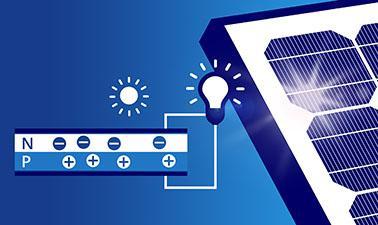
Learn how solar cells generate electricity, and about the semiconductor physics and optics required to design and manufacture solar cells. The key factor in getting more efficient and cheaper solar energy panels is the advance in the development of photovoltaic cells. In this course you will learn how photovoltaic cells convert solar energy into useable electricity. You will also discover how to tackle potential loss mechanisms in solar cells.

Aug 29th 2023
5-12 Weeks
Energy-The Technology You Must Know in the 21st Century | 能源─21世紀你必須了解的科技! (edX) EdX
OECx

Energy-The Technology You Must Know in the 21st Century | 能源─21世紀你必須了解的科技! (edX)

A comprehensive introduction to existing and emerging energy technologies and their applications. (Taught in Mandarin). Energy technology is a highly multidisciplinary subject, which extends from engineering (e.g. mechanical, chemical, civil, environmental and electrical) to economy and ecology.

No sessions available
4 Weeks