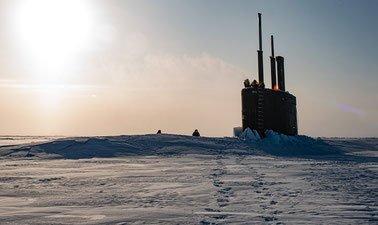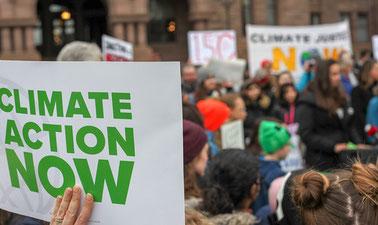
Learn about climate change in the Arctic from America’s Arctic University. This MOOC covers modern climate science and the impacts of climate change across atmospheric, marine, terrestrial and human systems.
Class Deals by MOOC List - Click here and see EdX's Active Discounts, Deals, and Promo Codes.
- You will learn from researchers and staff from a variety of disciplines at the University of Alaska Fairbanks’ International Arctic Research Center and its collaborators.
- An introduction to a variety of areas of expertise, from atmospheric science to traditional knowledge on subsistence calendars, will equip you to understand these complex systems and the knowledge-holders who examine them in detail.
- You will develop a basic understanding of climate change in the circumpolar arctic through examining four primary systems: atmospheric systems, marine systems, terrestrial systems, and human systems.
- Key concepts will be explained with practical Arctic-focused examples including Arctic climate modelling, climate policy, physical properties of the ocean, and more.
- You will learn to trace impacts through those complex systems from physical science, through the biodiversity of flora and fauna, and on to the societies that depend on those resources.
- Key texts to understanding environmental change will be made available to participants with guidance, giving you the skills to understand reports and policies impacting the region.
What you'll learn
- Develop an understanding of climate and Arctic terminology
- Compare the four featured systems in the Arctic: atmospheric, terrestrial, marine, and human
- Demonstrate the connected nature of Arctic systems
- Analyze how those systems interact and affect one another
- Interpret climate science reports such as the US Arctic Report Card, Alaska’s Changing Environment, and others
Syllabus
Week 1: Change in our Arctic Atmosphere
- Atmospheric systems and how climate change affects them across the Arctic
- Temperature and precipitation
- Snow, storms, extreme events, and air quality
- Modeling and climate model projections, downscaled projections
Week 2: Change On and Under the Waves
- Ocean temperature & salinity
- Changes in Arctic sea ice concentration, formation, and thickness
- Ocean currents
- Ocean acidification and ocean change
- The marine food web: algal blooms, fish, marine mammals
- How changes in physical properties impact the entire marine food web
Week 3: Our Changing Terrestrial Environment
- Permafrost and terrestrial snow cover
- Glacial ice
- Vegetation
- Wildfire impacts
- Terrestrial animals and ecosystems
- Birds
- Future changes
Week 4: The Human Element
- History of humans in the Arctic
- Food security
- Governance: local and global policy
- Risk and vulnerability assessments
- Infrastructure
- Adaptation actions and multiple stressors
Go to Class
MOOC List is learner-supported. When you buy through links on our site, we may earn an affiliate commission.