Historia del Arte: Del Arte Prehistórico al Renacimiento (Coursera)

Historia del Arte: Del Arte Prehistórico al Renacimiento (Coursera)

El arte deriva de un deseo de la persona para comunicarse con otros” (Edvard Munch). Y es desde la prehistoria que el humano ha dejado impresas sus huellas a través del arte. ¿Qué características tienen esas huellas artísticas? ¿Qué nos comunican sobre el periodo de tiempo al que pertenecen?
Sumergite en la historia del arte recorriendo este curso.

Class Deals by MOOC List - Click here and see Coursera's Active Discounts, Deals, and Promo Codes.

Comenzarás en la prehistoria, reconociendo los testimonios que nos ofrecen los primeros atisbos artísticos de la humanidad. Avanzarás por el camino recorriendo los diferentes sistemas de representación dominantes de distintos períodos hasta llegar al Renacimiento.
Al culminar el curso conocerás más sobre cómo fue la evolución y el devenir del arte a través del tiempo. ¡Te invitamos a emprender este viaje!
Los objetivos generales de este curso son:
• Conocer y analizar el desarrollo de las artes visuales desde la prehistoria hasta las obras de los grandes maestros del Renacimiento.
• Desentrañar los sistemas de representación predominantes en los períodos abordados.
• Identificar las relaciones entre los procesos artísticos y su contexto histórico, social y económico.
• Adquirir herramientas conceptuales específicas para analizar la historia del arte.

Syllabus

WEEK 1
Arte Prehistórico y Arte en el Antiguo Egipto
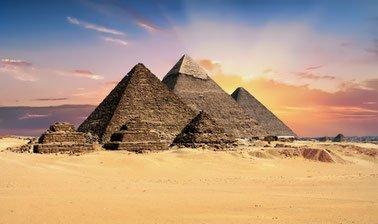
En esta semana te abocarás a explorar el inicio del arte, analizando las pinturas de las cuevas, las esculturas y los megalitos de la época prehistórica. Luego, estudiarás el arte en el Antiguo Egipto y la relación entre el arte, los rituales y la religión. ¿Qué sucede cuando a las obras de arte se las carga de un valor mágico o trascendental? ¿Cómo se producía y cuál era la relación con las obras de arte en un momento en el que no existía la idea de Arte que manejamos nosotros hoy?

WEEK 2
Arte Prehelénico y en la Grecia Antigua
El tema de esta semana será la producción artística en la Antigua Grecia. Comenzarás con el arte prehelénico, realizado 3000 años a. C. en las Islas Cícladas, Creta y Micenas. Luego viajarás a la península del Peloponeso para estudiar una de las civilizaciones más importantes del periodo antiguo, que sirvió de regla y modelo para todas las producciones artísticas que sucedieron después.

WEEK 3
El arte romano antiguo y en la Edad Media
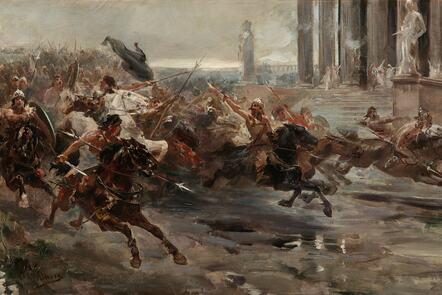
En esta semana abordarás dos temas: Antigua Roma y Edad Media. En ambos periodos, el arte ha tenido diversas funciones y se rigió a través de reglas muy distintas. Desde la admiración romana por sus antecesores griegos y el arte como herramienta política, llegarás al arte cristiano, desde las catacumbas, pasando por las iglesias románicas hasta arribar a las majestuosas catedrales góticas.

WEEK 4
Renacimiento y Manierismo
El arte del Renacimiento italiano ha fascinado a todo el mundo desde el momento de su creación. En esta semana conocerás cuáles son sus fundamentos en relación a la naturaleza y el arte del pasado clásico como modelo. También aprenderás sobre el Manierismo, último eslabón del desarrollo de este periodo,
Go to Class
MOOC List is learner-supported. When you buy through links on our site, we may earn an affiliate commission.

Related Courses

Health and Wellbeing in the Ancient World (FutureLearn) FutureLearn
The Open University

Health and Wellbeing in the Ancient World (FutureLearn)

Use literary and archaeological evidence to see how ancient Greeks and Romans approached health, well-being and societal issues. What did being healthy in ancient Rome or Greece look like? How can we tell what well-being meant in ancient times? This online course will help you investigate these questions, using both literary and archaeological evidence, to uncover details of real life in ancient societies.

Self Paced
5-12 Weeks
The Politics of Skepticism (Coursera) Coursera
Erasmus University Rotterdam

The Politics of Skepticism (Coursera)

This is a course about the history of Skepticism from the ancient Greeks to today, with special attention to the political ramifications of questioning man's ability to know the world and himself with any certainty. We will discuss the debates raging between Plato and the Sophists, the rise of Christianity in the Roman world, and the so-called 'Skeptical Crisis' of the Renaissance as well as Pierre Bayle's Skepticism and David Hume's.

Aug 31st 2026
5-12 Weeks
Enlightening the Dark Ages: Early Medieval Archaeology in Italy (FutureLearn) FutureLearn
University of Padova

Enlightening the Dark Ages: Early Medieval Archaeology in Italy (FutureLearn)

Learn what innovative methods and tools applied to the material culture of the past can tell us about the Early Middle Ages. Discovering the cultural heritage of Medieval Europe through archaeology On this archaeology course, you will explore what we can learn about the past through material culture. It focuses on the history of Medieval Europe, from the end of the Roman Empire in the West.

Self Paced
4 Weeks
Pyramids of Giza: Ancient Egyptian Art and Archaeology (edX) EdX
HarvardX,Harvard University

Pyramids of Giza: Ancient Egyptian Art and Archaeology (edX)

Explore the archaeology, history, art, and hieroglyphs surrounding the famous Egyptian Pyramids at Giza. Learn about Old Kingdom pharaohs and elites, tombs, temples, the Sphinx, and how new technology is unlocking their secrets. Where is Giza? How were the Pyramids built? How did the cemeteries and hundreds of decorated tombs around them develop? What was Giza’s contribution to this first great age of ancient Egyptian civilization, the Old Kingdom?

Self Paced
Self-Paced
Wonders of Ancient Egypt (Coursera) Coursera
University of Pennsylvania

Wonders of Ancient Egypt (Coursera)

Colossal pyramids, imposing temples, golden treasures, enigmatic hieroglyphs, powerful pharaohs, strange gods, and mysterious mummies are features of Ancient Egyptian culture that have fascinated people over the millennia. The Bible refers to its gods, rulers, and pyramids. Neighboring cultures in the ancient Near East and Mediterranean wrote about its god-like kings and its seemingly endless supply of gold. The Greeks and Romans describe aspects of Egypt's culture and history.

Aug 31st 2026
5-12 Weeks
What Is Contemporary Art? (Coursera) Coursera
The Museum of Modern Art

What Is Contemporary Art? (Coursera)

What is contemporary art? In this course, you’ll consider this question through more than 70 works of art made between 1980 and the present, with a focus on art from the past decade. You’ll hear directly from artists, architects, and designers from around the globe about their creative processes, materials, and inspiration.

Sep 14th 2026
5-12 Weeks
Introduction to Ancient Egypt and Its Civilization (Coursera) Coursera
University of Pennsylvania

Introduction to Ancient Egypt and Its Civilization (Coursera)

Colossal pyramids, imposing temples, golden treasures, enigmatic hieroglyphs, powerful pharaohs, strange gods, and mysterious mummies are features of Ancient Egyptian culture that have fascinated people over the millennia. The Bible refers to its gods, rulers, and pyramids. Neighboring cultures in the ancient Near East and Mediterranean wrote about its god-like kings and its seemingly endless supply of gold. The Greeks and Romans describe aspects of Egypt's culture and history.

Aug 24th 2026
5-12 Weeks
Indigenous Canada (Coursera) Coursera
University of Alberta

Indigenous Canada (Coursera)

Indigenous Canada is a 12-lesson Massive Open Online Course (MOOC) that explores Indigenous histories and contemporary issues in Canada. From an Indigenous perspective, this course explores key issues facing Indigenous peoples today from a historical and critical perspective highlighting national and local Indigenous-settler relations.

Aug 24th 2026
5-12 Weeks
Age of Cathedrals (Coursera) Coursera
Yale University

Age of Cathedrals (Coursera)

An introduction to some of the most astonishing architectural monuments the world has ever known—Gothic cathedrals. We shall study the art, literature, intellectual life, economics, and new social arrangements that arose in the shadow of the cathedrals and that were such an important part of the revival of cities in the twelfth and thirteenth centuries. The goal of the course is a better appreciation of the High Middle Ages, a world that is still recognizably our own.

Aug 31st 2026
5-12 Weeks