EdX

Food for Thought: The Relationship Between Food, Gut and Brain (edX)

Offered by EIT Food,
Food for Thought: The Relationship Between Food, Gut and Brain (edX)

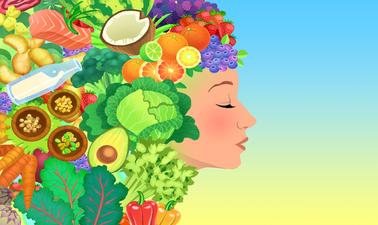
The gut and brain are very closely linked. Explore how neurology, the microbiome and more interact to affect health.

Class Deals by MOOC List - Click here and see EdX's Active Discounts, Deals, and Promo Codes.

Context
Currently, the gut-brain axis has started to gain media visibility and it has come to the forefront of the medical research community. The growing amount of evidence that substantiates the importance of this link indicates it is a valuable area for the improvement of human well-being and more understanding and research is needed.
The brain is the control centre of the body, and it is heavily influenced by the food we eat. The quality and quantity of our diet can affect our cognitive abilities, mood, and overall brain function. Our brain can also impact our eating habits, by controlling our appetite, cravings, and decision-making processes.
A diet that is high in processed foods, saturated fats, and added sugars can have negative effects on brain function and can lead to inflammation, stress, and insulin resistance, all of which can impair cognitive abilities, memory, and learning.

Solution
To overcome the lack of knowledge in the complex relation between food, gut and brain, and how it can affect life in many senses, EIT Food has developed this short online course to enable not only healthcare professionals, but anyone that is interested in the subject, to understand and discuss how the food we eat can optimise brain function and overall health.
This course title is “Food for Thought: Relationship Between Food, Gut and Brain”. It is composed of 20 hours of learning broken down in 5 modules.
On this course, you will look at the relation between the brain and the digestive system and will be able to describe the role that a diet has on brain function. You will reflect on the possible causes of unhealthy and pathological eating behaviours and assess the relationship between emotions and food intake. You will also discuss the relationship between the food they eat, the digestive system, the brain and how this affects their daily life.

Ambition
Our mission is to provide awareness about the interplay between brain, food and gut and empower individuals with the knowledge and tools to improve their overall well-being by understanding this correlation. Through EIT Food online course, we aim to provide a comprehensive understanding of the latest research and insights into the food-gut-brain connection not only for health care professionals, but for any individual that could be interested in how they influence physical and mental health.

High level contributors
This course has been designed for anyone with an interest in the subject but may be of particular interest to psychologists or people working in health and well-being, and has been produced by the University of Turin, with content provided by the University of Hohenheim and the Polish Institute of Animal Reproduction and Food Research.

What you'll learn
You’ll learn how the brain works, and is affected by diet and nutritional deficiencies. You’ll also discover less known, cutting-edge subjects such as the gut-brain axis, the microbiome, and the relationship between food and reproductive health.
By the end of the course, you'll be able to:

  • Describe the role our diet has on brain function
  • Identify the role of psychological and neurobiological factors in our food choices
  • Evaluate the possible causes (biological, social, psychological) of unhealthy and pathological eating behaviours
  • Explain the connection between the brain and our digestive system (gut)
  • Assess the relationship between emotions and food intake
  • Discuss the relationship between the food we eat, the digestive system, and the brain and how this affects daily life

Syllabus

The course focuses on the relationship between food, brain and mind:

  • How does the brain work?
  • How do emotions and thoughts affect our food choices?
  • How do diets and nutritional deficiencies affect our brain?
  • Reward systems and their relationship with food
  • The link between the microbiome and brain
Go to Class
MOOC List is learner-supported. When you buy through links on our site, we may earn an affiliate commission.

Related Courses

Lessons from Ebola: Preventing the Next Pandemic (edX) EdX
HarvardX,Harvard University

Lessons from Ebola: Preventing the Next Pandemic (edX)

Understanding the context for the Ebola outbreak: What went right, what went wrong, and how we can all do better. Like no other event in recent history, the 2014 Ebola outbreak has made clear the fragility of existing health systems. While responding to the current epidemic is critical, we also have an opportunity to learn lessons to prevent the next global health catastrophe, forge partnerships across borders and disciplines, and demonstrate our commitment to value all human lives.

Self Paced
Self-Paced
Mental Health and Nutrition (edX) EdX
University of Canterbury,UCx

Mental Health and Nutrition (edX)

Learn what foods and nutrients should and should not be consumed to improve mental wellbeing and explore the fundamental role that nutrition plays in our mental health. Whether you are a health professional working with people with mental health challenges; someone who struggles daily with low mood, anxiety or stress; someone who supports others who face mental health struggles, or you are simply interested in the fascinating interface between food and brain health, this course is for you!

Self Paced
Self-Paced
Global Public Health (edX) EdX
SDGAcademyX,SDG Academy

Global Public Health (edX)

Understanding the value of health not just as a benefit or right of individuals, but as a global public need. What are the effects of a healthy individual on the world around them? Beyond the hereditary connections between parents and children or the implications of communicable diseases, public health has intrinsic value as a basic human right. Furthermore, health and the three pillars of sustainable development i.e. economic, social and environmental well-being, are intrinsically connected.

Self Paced
Self-Paced
Well and Able - Improving the Physical Health of People with Intellectual Disability (edX) EdX
University of Queensland,UQx

Well and Able - Improving the Physical Health of People with Intellectual Disability (edX)

Learn how to help those with intellectual disability achieve better health. This health course will examine the specific physical health issues that affect people with an intellectual disability including, oral health, syndrome specific health issues, health communication, especially for non-verbal patients, sexual health, and interactions between tertiary and primary healthcare systems. There is a special section on complex care including issues associated with aging and spasticity, and the health impacts of epilepsy.

Self Paced
Self-Paced
The Opioid Crisis in America (edX) EdX
HarvardX,Harvard University

The Opioid Crisis in America (edX)

Learn about the opioid epidemic in the United States, including information about treatment and recovery from opioid addiction. On average, 130 Americans die every day from an overdose of opioids, the class of drugs that includes heroin, hydrocodone, codeine, morphine, and fentanyl. Around 70% of all opioid overdose deaths involved a prescription opioid. Drug overdose is now the leading cause of accidental death in the United States — opioid addiction is driving this epidemic.

Self Paced
Self-Paced
SDG: Moving Towards Sustainable Work (edX) EdX
Universidad Carlos III de Madrid - UC3M,UC3Mx

SDG: Moving Towards Sustainable Work (edX)

Decent work is thecritical engine of sustainable development. This course explores the United Nations' Sustainable Development Goals and mechanisms for developing decent and sustainable work. The United Nations' Sustainable Development 2030 Agenda gives us the opportunity to change and improve the lives of millions of people. These widespread efforts won't juststem from organizations in the formal public or private sectors (governments, corporations, trade unions, etc.) but will also require participation from ordinary people and civil society as a whole.

Self Paced
Self-Paced
Introduction to Environmental Science (edX) EdX
DartmouthX,Dartmouth College

Introduction to Environmental Science (edX)

A scientific study of the natural world and how it is influenced by people. Major topics include: food, energy, human population, biodiversity and global change. Environmental science is the study of patterns and processes in the natural world and their modification by human activity. To understand current environmental problems, we need to consider physical, biological and chemical processes that are often the basis of those problems.

Self Paced
4 Weeks
Crafting Realities: Work, Happiness, and Meaning (edX) EdX
Indian Institute of Management, Bangalore,IIMBx

Crafting Realities: Work, Happiness, and Meaning (edX)

Learn to create and experience your work as a joyful and meaningful activity - for yourself and others. This course draws upon positive psychology, neuroscience, sociology, and philosophy to guide participants in proactively crafting their own work experience. It weaves inputs from these various fields into a series of lectures and experiential exercises.

Self Paced
Self-Paced
Introduction to Lifestyle Medicine (edX) EdX
DoaneX,Doane University

Introduction to Lifestyle Medicine (edX)

Gain a basic understanding of the main components of lifestyle medicine as well as the importance of using the coach approach when counseling patients about behavior change. Lifestyle factors including poor nutrition and physical inactivity are critical determinants of health, causing a pandemic of chronic diseases, premature death and unsustainable healthcare costs. Currently, 50 percent of Americans live with one or more chronic illnesses in which diet, exercise and stress play a key role.

Self Paced
Self-Paced
Managing Study, Stress and Mental Health at University (edX) EdX
Curtin University,CurtinX

Managing Study, Stress and Mental Health at University (edX)

Develop a clearer understanding of what mental health is, and learn how best to recognise and respond to mental health concerns, such as negative thoughts and behaviours, in yourself and others. This short course is a German-Australian collaboration developed in response to the growing need to provide students with the knowledge, skills, and understanding to recognise, identify and respond to mental health challenges in themselves and others. The course is primarily for university students and those working in the tertiary education and local community sectors.

Self Paced
Self-Paced