EdX

El lenguaje de los mapas (edX)

El lenguaje de los mapas (edX)

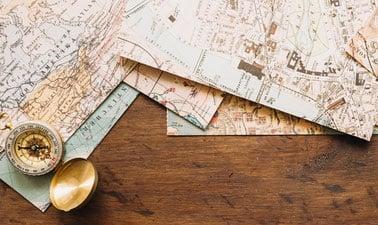
Los mapas están de moda. Forman parte de nuestra vida cotidiana. Los consultamos en el GPS y en Internet. Por eso es útil conocer su historia, su lenguaje secreto y su relación con el poder. Viajemos, pues, por el mundo de la cartografía para “ponernos en el mapa” del conocimiento.

Class Deals by MOOC List - Click here and see EdX's Active Discounts, Deals, and Promo Codes.

Este MOOC trata de responder a la pregunta de por qué los mapas están de moda. Los consultamos en calidad de usuarios en las pantallas de nuestros dispositivos electrónicos. El lenguaje los ha hecho polisémicos, puesto que se habla con soltura de mapas del poder, mapas neuronales, mapas de los afectos, mapas genéticos, mapas del tiempo, mapas corporales y un largo etcétera. Las editoriales no dejan de publicar libros sobre cartografía. Las exposiciones sobre mapas proliferan en museos y bibliotecas. Los titulares dan cuenta cada poco de robos sensacionalistas. Los medios de divulgación —audiovisuales y escritos— ilustran con ellos sus contenidos.
Para abarcar todos esos aspectos de la cartografía actual hemos organizado este MOOC en cuatro partes. En la primera definimos el concepto de mapa y actualizamos el estado de la cuestión bibliográfico.
En la segunda, repasamos la historia de la cartografía, desde la antigüedad hasta Google Maps. Su estudio también ha salido de la disciplina madre que era la geografía para despertar el interés de la historia, la ciencia, el arte y la cultura visual. Esto nos ha llevado a leer los mapas como textos.
La tercera parte se ocupa de los códigos de los mapas y de la alianza entre cartografía y poder. Los cartógrafos han acuñado códigos de lecturas, simbolismos de colores, alegorías en títulos, imágenes y formatos. La alianza entre cartografía e Imperio, escenificada en las relaciones entre España y América, nos ha confirmado que los mapas forman parte del aparato del poder. Ya sea en la guerra, la exploración o la persuasión. Ya en la paz, el viaje o la estética. Los mapas informan y desinforman, portan ideologías y mensajes, pero también son objetos artísticos tan atractivos que estimulan el placer de los sentidos.
Por último, trataremos las relaciones entre mapas, literatura y viajes. Estos tres conceptos han ido siempre de la mano. Los libros de viajes y guías turísticas guardan tal relación con el territorio que nos pone o nos quita del mapa. La cartografía imaginaria, la utilitaria aplicada a actividades productivas y la cotidiana en los dispositivos inteligentes la han revalorizado. El mapa es, por tanto, un lenguaje universal que hoy día hablan todas las culturas.

What you'll learn

  • Conocer la historia de la cartografía: desde la antigüedad hasta Google Maps.
  • Descifrar el lenguaje de los mapas, el significado de sus colores, de sus secretos y de sus símbolos.
  • Analizar las alianzas entre los mapas y el poder, como las que se dieron entre el Imperio Hispánico y América.
  • Ver las relaciones entre mapas, literatura y viajes, pues en nuestros viajes llevamos una guía y visitamos lugares literarios.
  • Comprender la utilidad diaria de los mapas en el siglo XXI: desde el GPS y el plano del metro hasta la cartografía por satélite y en Internet.

Go to Class
MOOC List is learner-supported. When you buy through links on our site, we may earn an affiliate commission.

Related Courses

Operations Management (edX) EdX
Indian Institute of Management, Bangalore,IIMBx

Operations Management (edX)

Understand key aspects of business operations and lean management including capacity, productivity, quality, and supply chain. Have you ever wondered about the right methods to improve productivity, configure your supply chain or address the demand on hand? In recent years, businesses have strived to improve productivity and quality, reduce costs and delivery times, and embrace flexibility and innovation. These strategies are part of the Operations Management (OM) activities that service and manufacturing organizations engage in.

Self Paced
Self-Paced
Programming Mobile Applications for Android Handheld Systems: Part 2 (Coursera) Coursera
University of Maryland, College Park

Programming Mobile Applications for Android Handheld Systems: Part 2 (Coursera)

This course introduces you to the design and implementation of Android applications for mobile devices. You will build upon concepts from the prior course, including handling notifications, using multimedia and graphics and incorporating touch and gestures into your apps.

Oct 26th 2026
5-12 Weeks
Visualizing Postwar Tokyo, Part 1 (edX) EdX
The University of Tokyo,UTokyoX

Visualizing Postwar Tokyo, Part 1 (edX)

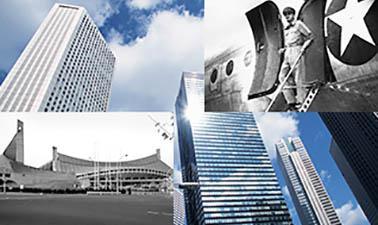
Analyze the history of change and development in postwar Tokyo from different perspectives using archived photographs, films, and TV programs. Tokyo emerged out of the ruins of war to become a large city of 10 million people in only a quarter of a century. During this process of change, the capital of a military empire that once invaded East Asia experienced occupation by the U.S. armed forces, hosted the Olympic Games, and transformed into a consumer hub where young people could enjoy economic “wealth.”

Self Paced
Self-Paced
Design and Make Infographics (Project-Centered Course) (Coursera) Coursera
Michigan State University

Design and Make Infographics (Project-Centered Course) (Coursera)

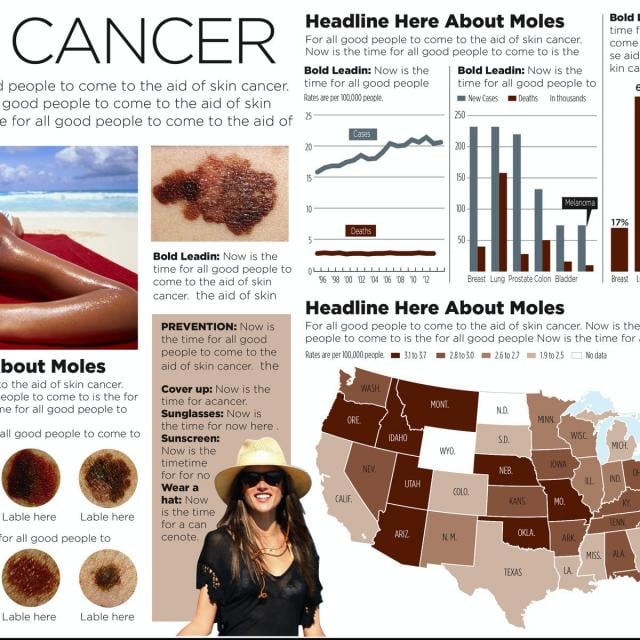
In this project-centered course*, you will create a content-rich infographic on a topic of your choice using Adobe Illustrator (which you can download for a free, 30-day trial). You might choose to create a visual representation of data from the world of sports, entertainment, politics, or science, to explain a business trend or environmental issue, or even to present a theme or development from your personal life. Your finished infographic will engage your target audience and convey information clearly through effective use of design elements such as typography, color, and structure.

Oct 12th 2026
4 Weeks
Cartography (Esri) Esri
Esri

Cartography (Esri)

Once, only cartographers made maps. Today anyone can. Still, cartographers can teach people to make better maps, just as chefs can show people how to cook better meals. With coaching from experienced cartographers and practical, hands-on exercises using ArcGIS Pro, you'll become a smarter mapmaker, ready to go beyond the defaults and make better maps.

Feb 16th 2022
5-12 Weeks
Learn To Build A Google Map App Using Angular 2 (Eduonix) Eduonix
Eduonix Learning Solutions Pvt. Ltd.

Learn To Build A Google Map App Using Angular 2 (Eduonix)

Learn Angular 2 features by building a working AngularJS application. Make a Google Map App in this Angular 2 tutorial. Google Maps have made navigation simpler, allowing people to simply putting names and locations and finding it by a simple tap of a few buttons. These days, almost all websites have Google Maps integrated to help their customers locate them.

Self Paced
Self-Paced
China’s First Empires and the Rise of Buddhism (edX) EdX
HarvardX,Harvard University

China’s First Empires and the Rise of Buddhism (edX)

Learn about the Qin and Han dynasties, and how Buddhism and ideas of self-realization influenced the medieval period. This course, the second in a collection on Chinese history and culture, addresses how the Qin dynasty conquered China and established a new system of government and how the Han dynasty built a stable, centralized empire that lasted for hundreds of years. We cover the early history of Buddhism in China and how the rising feudal aristocracy responded to the loss of empire by looking inward.

Self Paced
Self-Paced
Literati China: Examinations, Neo-Confucianism, and Later Imperial China (edX) EdX
HarvardX,Harvard University

Literati China: Examinations, Neo-Confucianism, and Later Imperial China (edX)

Explore China’s imperial period, with a focus on the Song dynasty and the role of the exam system in government. Fundamental changes in government, the economy, and broader society took place between the 8th and 11th centuries in China. The state aristocracy gave way to new literati elite: educated men who sought to enter government through competitive examinations. A new kind of Confucianism also took shape, which prized the moral autonomy of individuals. With this, the later imperial period of China’s history begins.

Self Paced
Self-Paced
Tangible Things: Discovering History Through Artworks, Artifacts, Scientific Specimens, and the Stuff Around You (edX) EdX
HarvardX,Harvard University

Tangible Things: Discovering History Through Artworks, Artifacts, Scientific Specimens, and the Stuff Around You (edX)

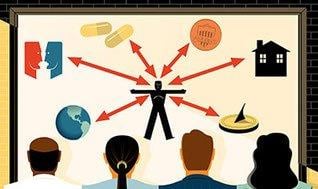
Gain an understanding of history, museum studies, and curation by looking at, organizing, and interpreting art, artifacts, scientific curiosities, and the stuff of everyday life. Have you ever wondered about how museum, library, and other kinds of historical or scientific collections all come together? Or how and why curators, historians, archivists, and preservationists do what they do?

Self Paced
Self-Paced