Ebola: Symptoms, History and Origins (FutureLearn)

Offered by Lancaster University,
Ebola: Symptoms, History and Origins (FutureLearn)

Learn about Ebola, its symptoms, where it came from and what the current outbreak has taught us, with this free online course.

Class Deals by MOOC List - Click here and see FutureLearn's Active Discounts, Deals, and Promo Codes.

In December 2013, the largest outbreak of Ebola virus disease (EVD) that the world has ever seen, began in West Africa - a region of the continent that has historically been free of it.
The World Health Organization (WHO) has designated this situation as a Public Health Emergency of International Concern (PHEIC), and the outbreak has been covered extensively in the global media.

Go behind the headlines on Ebola
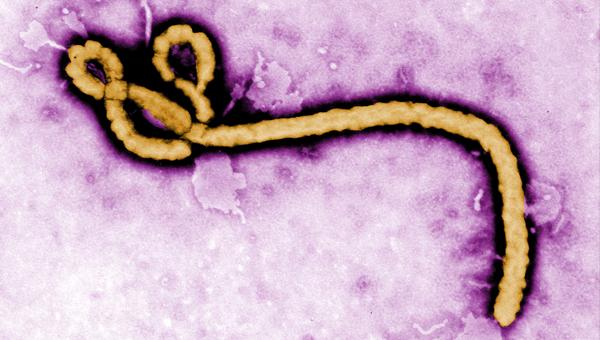
In this free online course, we’ll learn more about the virus that causes Ebola and the symptoms of the disease. We’ll also be tracing the current outbreak from its early cases to the most recent infections.
Over two weeks, we’ll consider what can be done to stop the spread of the virus and how we can treat those infected, in terms of general care, drugs and vaccines.
We’ll also learn about the genetic structure of the virus, looking at some of its proteins; where it came from and where it may reside between outbreaks; and its evolutionary history.

Learn through practical sessions and discussions
There will be practical sessions, using free software to do your own analysis on the virus, as well as discussions with guest academics: Thomas Keegan of Lancaster Medical School on aspects of epidemiology; and James Fraser of Lancaster Environment Centre on anthropology relevant to the outbreak.
You’ll have the opportunity to test the knowledge you acquire about Ebola with quizzes at the end of each week.

Go to Class
MOOC List is learner-supported. When you buy through links on our site, we may earn an affiliate commission.

Related Courses

Laboratory Training for COVID-19 Molecular Testing (FutureLearn) FutureLearn
Foundation for Innovative New Diagnostics - FIND

Laboratory Training for COVID-19 Molecular Testing (FutureLearn)

Learn how to plan for and establish COVID-19 testing in your laboratory to ensure accurate, timely and impactful results. Understand the components of COVID-19 testing in the laboratory. With the world reeling from the COVID-19 pandemic, testing capacity has emerged as a major issue. Adequate testing capacity for SARS-CoV-2 is crucial to halting the outbreak.

No sessions available
1 Week
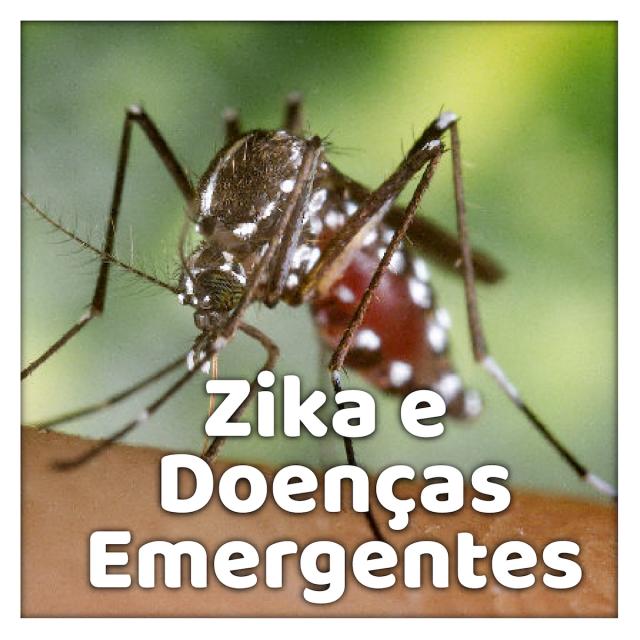
Compreendendo o Zika e doenças emergentes (Coursera) Coursera
Universidade de São Paulo, Brasil

Compreendendo o Zika e doenças emergentes (Coursera)

Através deste curso você vai saber porque tantas doenças que surgiram atualmente (doenças emergentes) são causadas por vírus, como elas surgem e se espalham. Veremos como vírus causadores de doenças entram em contato com o ser humano e como se espalham, principalmente aqueles transmitidos por mosquitos, como os vírus da Dengue e Zika.

Aug 10th 2026
5-12 Weeks
Syndromic Testing and Antimicrobial Stewardship (FutureLearn) FutureLearn
British Society for Antimicrobial Chemotherapy - BSAC

Syndromic Testing and Antimicrobial Stewardship (FutureLearn)

Explore how syndromic testing can aid rapid disease diagnostics and what this means for antimicrobial stewardship (AMS) programs. Learn about the value of a syndromic approach to infectious disease testing. This course offers healthcare professionals the chance to explore the background, benefits, and challenges of a syndromic approach to the diagnosis of clinical infections.

Self Paced
2 Weeks
Virology and Epidemiology in the Time of COVID-19 (Coursera) Coursera
American Museum of Natural History

Virology and Epidemiology in the Time of COVID-19 (Coursera)

This course covers the science and social impacts of viral infectious diseases. We will begin by covering the basics: what a virus is, the structural and functional diversity of viruses, and how viruses use our bodies and the bodies of other organisms to replicate. Then we will dive into the human response: how our immune systems work to protect us from pathogenic viruses and how we use science and social systems to fend off viruses through vaccines and public health measures.

Aug 17th 2026
5-12 Weeks
Lessons from Ebola: Preventing the Next Pandemic (edX) EdX
HarvardX,Harvard University

Lessons from Ebola: Preventing the Next Pandemic (edX)

Understanding the context for the Ebola outbreak: What went right, what went wrong, and how we can all do better. Like no other event in recent history, the 2014 Ebola outbreak has made clear the fragility of existing health systems. While responding to the current epidemic is critical, we also have an opportunity to learn lessons to prevent the next global health catastrophe, forge partnerships across borders and disciplines, and demonstrate our commitment to value all human lives.

Self Paced
Self-Paced
Transmitting and Fighting Infectious Diseases (Coursera) Coursera
University of Leeds

Transmitting and Fighting Infectious Diseases (Coursera)

Understanding how pathogens cause infections and how infectious diseases are transmitted is crucial for preventing and controlling the spread of illnesses. In this course, you will learn how diseases like the common flu spread, the mechanisms behind bacterial resistance, the body's defence mechanisms, and the importance of immunization.

Aug 3rd 2026
2 Weeks
Strategies for Assisted Living Communities during COVID-19 (Coursera) Coursera
Johns Hopkins University

Strategies for Assisted Living Communities during COVID-19 (Coursera)

SARS-CoV-2, the virus that causes COVID-19, poses a high risk for assisted living communities due to residents’ age, health status, and communal living environment. The COVID-19 response has largely focused on nursing homes, leaving assisted living communities in the United States with fragmented guidance on how to respond to COVID-19 challenges. This course provides comprehensive instruction and resources for administrators and direct-care staff of assisted living communities.

Aug 17th 2026
1 Week
Stories of Infection (Coursera) Coursera
Stanford University

Stories of Infection (Coursera)

This course introduces learners to a variety of infectious diseases using a patient-centered, story-based approach. Through illustrated, short videos, learners will follow the course of each patient’s illness, from initial presentation to resolution. Integrating the relevant microbiology, pathophysiology and immunology, this course aims to engage and entice the learner towards future studies in microbiology, immunology and infectious diseases.

Aug 17th 2026
5-12 Weeks
Lecture Series for Preventing and Controlling COVID-19 (Coursera) Coursera
Xi'an Jiaotong University

Lecture Series for Preventing and Controlling COVID-19 (Coursera)

In December 2019, a cluster of patients with pneumonia of unknown cause appeared in Wuhan, Hubei. Governments at all levels and Department of Health Administration highly valued and rapidly organized the centers for Disease Control and Prevention (CDC), medical institutions, and scientific research academies to conduct a survey, rescue, and collaborative research. This new antigen was quickly identified as a novel coronavirus, named as 2019-nCoV by World Health Organization (WHO).

Aug 3rd 2026
3 Weeks
Disease Outbreaks in Low and Middle Income Countries (FutureLearn) FutureLearn
London School of Hygiene & Tropical Medicine

Disease Outbreaks in Low and Middle Income Countries (FutureLearn)

Learn more about infectious disease outbreaks and why they occur, and explore the impact of disease outbreaks on global health. Explore infectious disease outbreaks and learn how to prepare for them. Recent outbreaks of emerging infectious diseases have shown we need to be able to coordinate responses to disease outbreaks at the regional, country and global health level.

Available Now
3 Weeks
Mpox: Understanding the Epidemiology and the Potential Threat (FutureLearn) FutureLearn
University of Malaya

Mpox: Understanding the Epidemiology and the Potential Threat (FutureLearn)

Gain an understanding of monkeypox (mpox) and learn to identify its symptoms and signs to better protect yourself and others. Understand the epidemiology of monkeypox. Monkeypox (mpox) is a rare infectious disease that can be passed from person to person. On this two-week course, you’ll learn how to protect yourself and others as you explore the epidemiology, clinical symptoms, signs, and prevention of monkeypox. You’ll gain an understanding of the emergence of mpox before exploring the potential of this disease becoming a pandemic.

Self Paced
2 Weeks