Ebola in Context: Understanding Transmission, Response and Control (FutureLearn)

Ebola in Context: Understanding Transmission, Response and Control (FutureLearn)

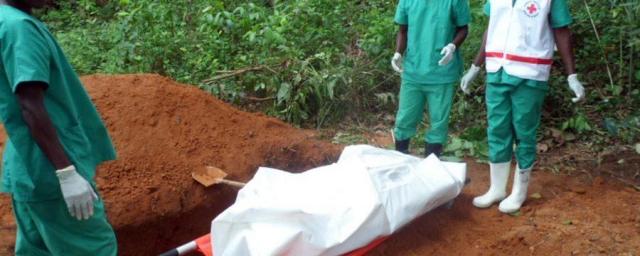
How has the Ebola outbreak become a humanitarian emergency? Learn about the science behind the crisis.In 2014, Ebola went from a scarcely known virus to the subject of daily news reports. The epidemic in West Africa has quickly surpassed all previous outbreaks, to become an unprecedented humanitarian crisis.

Class Deals by MOOC List - Click here and see FutureLearn's Active Discounts, Deals, and Promo Codes.

Understand the science behind the Ebola outbreak:
In this free online course, we’ll look at the science behind the Ebola outbreak, to understand why it has occurred on this scale and how it can be controlled.
Over two weeks, we’ll explore the principles of infectious disease transmission and the social context of the Ebola epidemic.
We’ll look at treatment and control measures - from those already in place to those planned - and the challenges of implementation and innovation in an emergency.

Learn from multiple perspectives:
The course is taught by experts from a range of disciplines, including infectious disease epidemiology, anthropology, medicine and public health. Contributors include Professor Peter Piot: Director of the London School of Hygiene & Tropical Medicine, co-discoverer of the Ebola virus and Chair of the World Health Organization’s (WHO) scientific committee on Ebola; and Professor David Heymann: Co-Chair of the WHO Director General’s advisory group on the Ebola response and Chair of Public Health England.

Hear from those on the front line in Africa:
The course will include first-hand accounts and interviews with those who are at the front line of the response in Africa, as well as short lectures, exercises, videos and links to further reading.
Throughout, you’ll be able to discuss the Ebola outbreak with other learners from around the world.

Go to Class
MOOC List is learner-supported. When you buy through links on our site, we may earn an affiliate commission.

Related Courses

Introduction to Emergency Contraception (FutureLearn) FutureLearn
University of East Anglia

Introduction to Emergency Contraception (FutureLearn)

Understand emergency contraception and the choices available with this course for people working in healthcare and related fields. Emergency contraception can be confusing, with different types available and public understanding sometimes limited. On this course you will master the basics of emergency contraception: learning about the different types of post-coital contraception, exploring clinical guideliness; and working out which type of contraception is appropriate in different situations.

Self Paced
3 Weeks
Improving Health Assessments for People with an Intellectual Disability (FutureLearn) FutureLearn
Trinity College Dublin,EIT Health

Improving Health Assessments for People with an Intellectual Disability (FutureLearn)

Learn how to improve healthcare for people with intellectual disabilities with this course for healthcare professionals. Detecting poor health and supporting people with an intellectual disability in managing their health can be challenging for healthcare professionals. During this course, you will gain valuable knowledge that you can transfer into your daily practice on how to include people with an intellectual disability in health assessments.

Self Paced
3 Weeks
Achieving Sustainable Development (FutureLearn) FutureLearn
Trinity College Dublin

Achieving Sustainable Development (FutureLearn)

Explore the challenges of sustainable development. See the impact of UN Sustainable Development Goals on real people. Consider the impact that UN Sustainable Development Goals could have. Governments of the world have signed up to the Sustainable Development Goals (SDGs), a UN initiative for international development. They are targets for improving the world by 2030, including: health, environment, education, and security. But will they have an impact on the lives of people?

Self Paced
4 Weeks
Challenges in Antibiotic Resistance: Gram Negative Bacteria (FutureLearn) FutureLearn
British Society for Antimicrobial Chemotherapy - BSAC

Challenges in Antibiotic Resistance: Gram Negative Bacteria (FutureLearn)

This course by BSAC is for healthcare professionals managing infections. You will learn about Gram Negative Bacteria. Identify, diagnose and treat gram negative bacterial infections. Gram negative bacteria (GNB) are a group of bacteria that can cause infection and toxic reaction in patients, yet are difficult to differentiate and treat with antibiotics due to their structure.

Self Paced
3 Weeks
Causes of Human Disease: Transmitting and Fighting Infection (FutureLearn) FutureLearn
University of Leeds

Causes of Human Disease: Transmitting and Fighting Infection (FutureLearn)

Learn how pathogens cause infectious diseases, how these diseases are transmitted and how our immune system respond to infection. Most of us have experienced common diseases like flu or less common ones like pneumonia. On this course, you’ll learn how pathogens cause infectious diseases and how these diseases are transmitted. You’ll examine the bacterial resistance to antibiotics, how this leads to serious infections like MRSA and reflect on approaches to address this problem.

Self Paced
2 Weeks
Introduction to Critical Care Medicine (FutureLearn) FutureLearn
University of Glasgow

Introduction to Critical Care Medicine (FutureLearn)

Learn how to handle complex issues faced in Critical Care Units when other options on the ward have been exhausted. Learn how to manage common presentations seen in Critical Care Units. Critical care is an emerging specialty in hospitals and, with an increasing population living with multiple co-morbidites, the burden on Critical Care Units is rising. In this course, find out about the common presentations seen in a Critical Care Unit and how to manage them effectively.

Self Paced
3 Weeks
Protecting Health Data in the Modern Age: Getting to Grips with the GDPR (FutureLearn) FutureLearn
University of Groningen

Protecting Health Data in the Modern Age: Getting to Grips with the GDPR (FutureLearn)

Learn how the GDPR helps to protect health data and get familiar with rights, obligations, risks and safeguards. Join this course to understand how health data is protected. People use technologies to track their fitness and health. Medical and health professionals use technologies to treat patients. These technologies generate a lot of health data. With technological developments in the health sector come questions of privacy.

Self Paced
2 Weeks