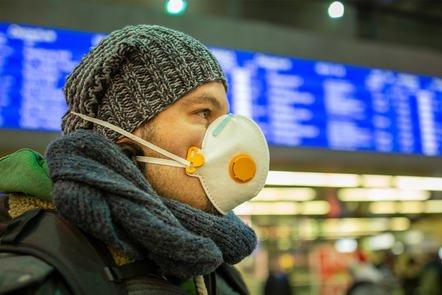
COVID-19: Tackling the Novel Coronavirus (FutureLearn)

COVID-19: Tackling the Novel Coronavirus (FutureLearn)

What is COVID-19 and how might the outbreak affect you? Find out more about coronavirus and explore its worldwide implications. Understand the emergence of COVID-19 and how we respond to it going forward. The world is paying close attention to the outbreak of novel coronavirus, following its emergence in December 2019 in Wuhan, China.

Class Deals by MOOC List - Click here and see FutureLearn's Active Discounts, Deals, and Promo Codes.

With the outbreak of a novel coronavirus declared a pandemic by the World Health Organisation, people worldwide are working to address it.
On this course, you’ll learn the latest of what we know about COVID-19, presented by international experts.

Syllabus

Week 1 - What is known about the outbreak of COVID-19?
Introduction
In this section we describe the course, how learning is supported, and introduce each other.
How COVID-19 emerged and was identified
Understand how the outbreak started, was detected, and how events began to unfold in China and around the world.

Week 2 - What are the practical implications for responding to COVID-19?
Public health measures for COVID-19 worldwide
Compare interventions to prevent, control, and mitigate the effects of the outbreak worldwide.

Week 3 - What do we need to find out about COVID-19?
Informing the response to COVID-19
Understand the gaps in our knowledge and the steps being taken to address them to better respond to COVID-19

Go to Class
MOOC List is learner-supported. When you buy through links on our site, we may earn an affiliate commission.

Related Courses

Improving Healthcare Through Clinical Research (FutureLearn) FutureLearn
University of Leeds

Improving Healthcare Through Clinical Research (FutureLearn)

On this free online course, find out how medical treatments are discovered, tested and evaluated to improve healthcare for all. Everything we do in healthcare has to be discovered and thoroughly tested before it can be put into practice. In this course you will explore clinical research – its challenges and its huge benefits to modern healthcare.

Self Paced
4 Weeks
Health and Wellbeing in the Ancient World (FutureLearn) FutureLearn
The Open University

Health and Wellbeing in the Ancient World (FutureLearn)

Use literary and archaeological evidence to see how ancient Greeks and Romans approached health, well-being and societal issues. What did being healthy in ancient Rome or Greece look like? How can we tell what well-being meant in ancient times? This online course will help you investigate these questions, using both literary and archaeological evidence, to uncover details of real life in ancient societies.

Self Paced
5-12 Weeks
Quality Improvement in Healthcare: the Case for Change (FutureLearn) FutureLearn
University of Bath

Quality Improvement in Healthcare: the Case for Change (FutureLearn)

Explore new and better ways of organising health and social care services, to improve quality, with this free online course. Why is quality improvement in health and social care systems so difficult? Why is it so challenging to bring in new and better ways of organising health and social care services? Many reasons have been put forward: lack of money; lack of knowledge about either the actual quality of care delivered, or resistance to making changes to long-established ways of working; excessive and sometimes misunderstood regulations; and professional opinions and interests that are hard to influence when systems are working at or beyond capacity.

Self Paced
5-12 Weeks
Understanding Insulin (FutureLearn) FutureLearn
University of Southampton

Understanding Insulin (FutureLearn)

Learn more about all things insulin: from how it works, to insulin types, to side effects and guidance on how to prescribe safely. The current spend on diabetes care by the NHS is estimated to be £1.6 million pounds per hour. 80% of this is spent on managing diabetes complications, the risk of which can be significantly reduced through effective blood glucose control using insulin.

Self Paced
4 Weeks
Heart Health: A Beginner's Guide to Cardiovascular Disease (FutureLearn) FutureLearn
University of Reading

Heart Health: A Beginner's Guide to Cardiovascular Disease (FutureLearn)

Learn more about how your heart works, the causes of heart disease and how to keep your heart healthy with this free online course. Learn how to keep your heart healthy. Your heart beats around 100,000 times a day, pumping blood around your body to deliver oxygen and nutrients, while taking away waste products. When your heart is unhealthy, it can’t perform this vital task so effectively.

Self Paced
4 Weeks
Improving Health Assessments for People with an Intellectual Disability (FutureLearn) FutureLearn
Trinity College Dublin,EIT Health

Improving Health Assessments for People with an Intellectual Disability (FutureLearn)

Learn how to improve healthcare for people with intellectual disabilities with this course for healthcare professionals. Detecting poor health and supporting people with an intellectual disability in managing their health can be challenging for healthcare professionals. During this course, you will gain valuable knowledge that you can transfer into your daily practice on how to include people with an intellectual disability in health assessments.

Self Paced
3 Weeks
Challenges in Antibiotic Resistance: Gram Negative Bacteria (FutureLearn) FutureLearn
British Society for Antimicrobial Chemotherapy - BSAC

Challenges in Antibiotic Resistance: Gram Negative Bacteria (FutureLearn)

This course by BSAC is for healthcare professionals managing infections. You will learn about Gram Negative Bacteria. Identify, diagnose and treat gram negative bacterial infections. Gram negative bacteria (GNB) are a group of bacteria that can cause infection and toxic reaction in patients, yet are difficult to differentiate and treat with antibiotics due to their structure.

Self Paced
3 Weeks
Using Infection Control to Combat Antimicrobial Resistance (FutureLearn) FutureLearn
University of East Anglia

Using Infection Control to Combat Antimicrobial Resistance (FutureLearn)

Find out how effective infection control in health and social care can tackle the global risk of antimicrobial resistance. Get practical guidance on infection control in health and social care settings. This online course will explore the growing problem of antimicrobial-resistant infections in health and social care settings. You’ll find out how infectious diseases are acquired and spread, and how this contributes to the global risk of antimicrobial resistance.

Self Paced
3 Weeks
Understanding Autism (FutureLearn) FutureLearn
University of Kent

Understanding Autism (FutureLearn)

Understand more about autism, including diagnosis, the autistic spectrum and life with autism, with this online course. First identified over 70 years ago, autism is a lifelong developmental disability affecting how a person communicates with and relates to others, and how they make sense of the world. It is a spectrum condition; all people on the spectrum share certain difficulties, but their condition will affect them in different ways.

Self Paced
4 Weeks
Why Do We Age? The Molecular Mechanisms of Ageing (FutureLearn) FutureLearn
University of Groningen,University Medical Center Groningen - UMCG

Why Do We Age? The Molecular Mechanisms of Ageing (FutureLearn)

Why do we age? Is there a limit to human lifespan? Can we prolong our lives? Find out with this free online course. Discover the science behind the ageing process. The “why” and “how” of ageing has puzzled mankind ever since it questioned its place in the universe.

Self Paced
5-12 Weeks