Cancer and the Older Person: Improving Care, Outcomes and Experience (FutureLearn)

Cancer and the Older Person: Improving Care, Outcomes and Experience (FutureLearn)

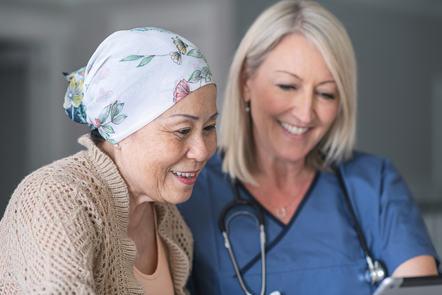
Gain an introduction to modern strategies of geriatric oncology and support. This course will enhance your understanding of cancer care for geriatric patients and help you to build confidence and knowledge to care for older people who have been diagnosed with or are undergoing treatment for cancer.

Class Deals by MOOC List - Click here and see FutureLearn's Active Discounts, Deals, and Promo Codes.

Explore the specific needs of older patients
1 in 2 people will develop cancer in their lifetime, and often this diagnosis comes later in life.
On this course, you’ll develop a toolkit of resources around caring for older patients throughout their diagnosis, treatment and recovery or end of life.

Learn how to talk about cancer with older patients and their families
Led by professionals at University of Melbourne, you’ll learn communication methods and modes of questioning that will help you respectfully encourage others to respect and heed expert health advice.
You might be worried you’ll say the wrong thing, but you’ll learn how to make an action plan for talking about cancer and how to help people take action in their lives to live with and help to treat cancer.
As well as helping you learn and share the facts around geriatric oncology, this course will also help you to support someone who is diagnosed with cancer later in life.

Learn with one of the world’s most highly regarded medical faculties
The University of Melbourne is ranked among the 20 best universities in the world for Healthcare and Medicine.
This course draws on the world leading knowledge of the University, alongside the Royal Melbourne Hospital, the Victorian Comprehensive Cancer Centre (VCCC) and Sir Peter MacCallum Department of Oncology.

What topics will you cover?

  • Impact of cancer in older people
  • Approaches for carers of older people with cancer
  • Geriatric medicine
  • Advice for practitioners in working with older people who have cancer

What will you achieve?
By the end of the course, you‘ll be able to...

  • Describe factors that would differentiate a fit older person from a frail person as a result of cancer and its treatment.
  • Explain how age associated changes might impact on a person’s ability to engage in treatment decision making and self-care.
  • Explain the importance of effective communication and diversity of the population of an older person with cancer.
  • Explore strategies to effectively identify values and wishes that influence the care an older person may receive.
  • Explain the importance of a multidisciplinary approach in caring for an older person affected by cancer.

Go to Class
MOOC List is learner-supported. When you buy through links on our site, we may earn an affiliate commission.

Related Courses

Dysphagia: Swallowing Difficulties and Medicines (FutureLearn) FutureLearn
University of East Anglia

Dysphagia: Swallowing Difficulties and Medicines (FutureLearn)

This course will enhance the knowledge of any person involved in the administration of medicines to patients with dysphagia. The course offers an opportunity to network with other learners and with the creators of the course through discussions, graphs and social networking features and to share knowledge with other learners and professionals.

Self Paced
5-12 Weeks
Understanding Insulin (FutureLearn) FutureLearn
University of Southampton

Understanding Insulin (FutureLearn)

Learn more about all things insulin: from how it works, to insulin types, to side effects and guidance on how to prescribe safely. The current spend on diabetes care by the NHS is estimated to be £1.6 million pounds per hour. 80% of this is spent on managing diabetes complications, the risk of which can be significantly reduced through effective blood glucose control using insulin.

Self Paced
4 Weeks
Causes of Human Disease: Exploring Cancer and Genetic Disease (FutureLearn) FutureLearn
University of Leeds

Causes of Human Disease: Exploring Cancer and Genetic Disease (FutureLearn)

Explore how the unravelling of genetic code has led to a deeper understanding of genetic diseases and cancer. It’s widely known that some diseases run in families. The discovery of the structure of DNA and the unravelling of the genetic code has led to a deeper understanding of such diseases. We now know more about the genetic basis of cancer and how cancer cells are formed and reproduce. On this course you’ll explore the structure of DNA, its processes and learn how genetic disease results from DNA alterations.

Self Paced
2 Weeks
Nursing in Crisis? Exploring Current Challenges (FutureLearn) FutureLearn
Coventry University

Nursing in Crisis? Exploring Current Challenges (FutureLearn)

Explore the key issues affecting nurses' job satisfaction and practice today - from stress to changing roles and healthcare needs. Nurses play an important role in providing healthcare around the world and, in some countries, form more than 50% of the healthcare workforce. Yet, there is a global shortage with international organisations citing working conditions and image as contributing factors to nurses leaving the profession and to their initial recruitment.

Self Paced
2 Weeks
The Many Faces of Dementia (FutureLearn) FutureLearn
University College London

The Many Faces of Dementia (FutureLearn)

Gain a unique insight into dementia through the stories, symptoms and science behind four less common diagnoses. Explore key issues in dementia care and research, through four less common forms. Dementia is one of the foremost priorities in global health and is estimated to affect over 44 million people worldwide.

Self Paced
4 Weeks
Improving Health Assessments for People with an Intellectual Disability (FutureLearn) FutureLearn
Trinity College Dublin,EIT Health

Improving Health Assessments for People with an Intellectual Disability (FutureLearn)

Learn how to improve healthcare for people with intellectual disabilities with this course for healthcare professionals. Detecting poor health and supporting people with an intellectual disability in managing their health can be challenging for healthcare professionals. During this course, you will gain valuable knowledge that you can transfer into your daily practice on how to include people with an intellectual disability in health assessments.

Self Paced
3 Weeks
Challenges in Antibiotic Resistance: Gram Negative Bacteria (FutureLearn) FutureLearn
British Society for Antimicrobial Chemotherapy - BSAC

Challenges in Antibiotic Resistance: Gram Negative Bacteria (FutureLearn)

This course by BSAC is for healthcare professionals managing infections. You will learn about Gram Negative Bacteria. Identify, diagnose and treat gram negative bacterial infections. Gram negative bacteria (GNB) are a group of bacteria that can cause infection and toxic reaction in patients, yet are difficult to differentiate and treat with antibiotics due to their structure.

Self Paced
3 Weeks
Managing Change in a Healthcare Environment (FutureLearn) FutureLearn
University of East Anglia

Managing Change in a Healthcare Environment (FutureLearn)

Understand why change happens in healthcare environments and learn how to improve your response. In rapidly changing world, with new healthcare roles emerging and the complexity of care increasing, being able to respond to change is vital. On this course for healthcare professionals, you will explore the issue of change in healthcare environments, and learn how to improve your response to change.

Self Paced
3 Weeks
Exercise Prescription for the Prevention and Treatment of Disease (FutureLearn) FutureLearn
Trinity College Dublin

Exercise Prescription for the Prevention and Treatment of Disease (FutureLearn)

Learn how physical exercise can help patients including those with cardiovascular disease, mental health problems and cancer. In the last few decades physical exercise has become well established as a tool to prevent and treat disease. Perceptions within the healthcare sector of exercise and its prescription as a treatment have changed dramatically in recent years.

Self Paced
2 Weeks
Digital Health for Cancer Management: Smart Health Technologies in Complex Diseases (FutureLearn) FutureLearn
Taipei Medical University

Digital Health for Cancer Management: Smart Health Technologies in Complex Diseases (FutureLearn)

Learn how new digital health technologies are transforming cancer management with this course for healthcare professionals. Recent advances in cancer treatment and management have lead to people with cancer living longer than ever before, now healthcare must begin to consider how to help people with cancer live healthily. On this course you will explore and discuss how new digital health technologies, like wearables, social media and home sensors, are starting to transform the management of cancer.

Self Paced
4 Weeks