Build a Physical Computing Prototype (FutureLearn)

Build a Physical Computing Prototype (FutureLearn)

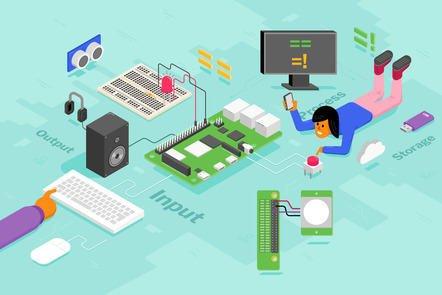
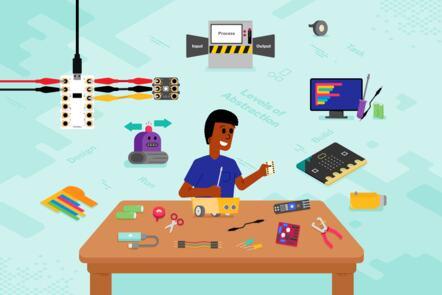
Discover how physical computing is changing the way we interact with technology and the devices around us. Explore how physical computing is changing tech and build your own prototype. Physical computing is the use of computers to respond to the physical movement of the human body. On this course you’ll learn what’s inside the devices we all use every day, like kettles, phones, and smartwatches. You’ll come to understand how they work, how they respond to our movements, and ultimately learn to create your own physical computing prototype.

Class Deals by MOOC List - Click here and see FutureLearn's Active Discounts, Deals, and Promo Codes.

Whereas in the past computing was limited to immobile computers and laptops, today microcontrollers and sensors are revolutionising the tech industry and how we interact with household items.

What topics will you cover?

  • Physical computing
  • Hardware of physical computing
  • Software of physical computing, coding physical computing
  • Creating physical computing devices

Learning on this course
You can take this self-guided course and learn at your own pace. On every step of the course you can meet other learners, share your ideas and join in with active discussions in the comments.

What will you achieve?
By the end of the course, you‘ll be able to...

  • Explore the components and methods for physical computing
  • Investigate how physical computing is used in industry
  • Investigate how to collect, use and process data
  • Create a program that utilises input data
  • Identify parts of a physical computing project
  • Develop several physical computing projects from design to creation
  • Evaluate physical computing in the real world and its impact

Who is the course for?
This course is for computing students interested in exploring the world of physical computing. It would also be valuable for anyone looking for an introduction to physical computing, whether hobbyists or people wondering if a career or degree in computing is for them.

Go to Class
MOOC List is learner-supported. When you buy through links on our site, we may earn an affiliate commission.

Related Courses

Responsive Web Design in Adobe XD (Coursera) Coursera
Google

Responsive Web Design in Adobe XD (Coursera)

Responsive Web Design in Adobe XD is the sixth course in a program that will equip you with the skills you need to apply to entry-level jobs in user experience (UX) design. In this course, you will design a responsive website using Adobe XD, a popular design tool. You will complete the design process from beginning to end: empathizing with users, defining their pain points, coming up with ideas for design solutions, creating wireframes and prototypes, and testing designs to get feedback.

Sep 7th 2026
5-12 Weeks
Teaching with Physical Computing, Course 1: Introduction to Project-Based Learning (edX) EdX
Arm Education,ArmEducationX

Teaching with Physical Computing, Course 1: Introduction to Project-Based Learning (edX)

This course introduces teachers to Physical Computing and the concepts underpinning Project-Based Learning. The first course in our program for Computer Science teachers, Teaching with Physical Computing , introduces you to the core elements of physical computing such as common hardware platforms, as well as the learning theories, orthodoxies and concepts that underpin a Project-Based Learning pedagogy. It also shows how Physical Computing offers an effective means for transforming classroom teaching of Computer Science into a rich, practical learning experience that enables all learners the opportunity to develop and practice a broad range of STEM skills.

Self Paced
Self-Paced
Adding Electronics to Rapid Prototypes (Coursera) Coursera
Arizona State University

Adding Electronics to Rapid Prototypes (Coursera)

Hello, everyone! Welcome to this course on Adding Electronics to Rapid Prototypes. This is part of the Rapid Prototyping and Tooling specialization. In this course, I’ll cover the basics of electric circuits, breadboards, and multimeters. I’ll then discuss different options for connecting electrical components as well as discuss different types of motors and actuators. Finally, I’ll end this course by discussing microcontrollers and how to use them to make even more sophisticated prototypes.

Aug 31st 2026
5-12 Weeks
Managing Innovation: Learning to Prototype for Business (FutureLearn) FutureLearn
St George's, University of London,Bayer

Managing Innovation: Learning to Prototype for Business (FutureLearn)

Understand how to pitch innovative ideas using prototypes, and develop your skills by creating your own prototype. In order for companies to remain competitive, they have to create innovative products, processes or services to satisfy new or existing customers. Prototypes allow you to test your ideas early on to get invaluable feedback informing you about what the customers really want.

Self Paced
3 Weeks
Teaching Physical Computing to 5-11 year olds (FutureLearn) FutureLearn
Raspberry Pi Foundation,National Centre for Computing Education

Teaching Physical Computing to 5-11 year olds (FutureLearn)

Teach your young learners how to create electronic circuits, then learn to control them using block-based programming languages. Learn how to create physical computing projects using a Crumble or micro:bit. Physical computing is the process of designing, building, and programming systems that use physical components such as buttons, lights, and motors.

Mar 6th 2023
3 Weeks
S'initier à la fabrication numérique (FUN) FUN
Institut Mines-Telecom

S'initier à la fabrication numérique (FUN)

Votre kit de survie dans les Fab Labs: 4 semaines pour comprendre comment la fabrication numérique révolutionne la production d’objets. Les imprimantes 3D ou les découpeuses laser à commandes numériques permettent à qui le souhaite de fabriquer ses propres objets. On peut également les programmer, les connecter à internet et passer ainsi très rapidement d’une idée à un prototype pour devenir un entrepreneur maker. Dans ce secteur en plein essor, de nouveaux métiers émergent.

No sessions available
4 Weeks
How to Build Prototypes Using InVision (Skillshare) Skillshare
Skillshare

How to Build Prototypes Using InVision (Skillshare)

In How to Build Prototypes Using InVision you will learn how to use inVision platform to create prototypes, for both, mobile and web. You’ll be able to create a prototype, add your design screens, add hotspots to your screens, add some fancy transitions between screens, create more complex interactions such as go to a new screen after 10s or go to an external link when clicking a button, how to gather feedback from your team and how to update your design screens directly from Sketch by making use of the Craft plugin.

Self Paced
Self-Paced
Design Your First App with Build (openSAP) OpenSAP
SAP

Design Your First App with Build (openSAP)

This free open online course will help young people to get started with designing and developing apps and software. This course will help you to develop your own “Design Thinking”. You’ll learn how to use a free and fun prototyping tool called Build. The course has been especially designed for young people interested in technology, but with little or no development experience.

Self Paced
Self-Paced