Breastfeeding and Adequate Substitutes (Coursera)

Breastfeeding and Adequate Substitutes (Coursera)

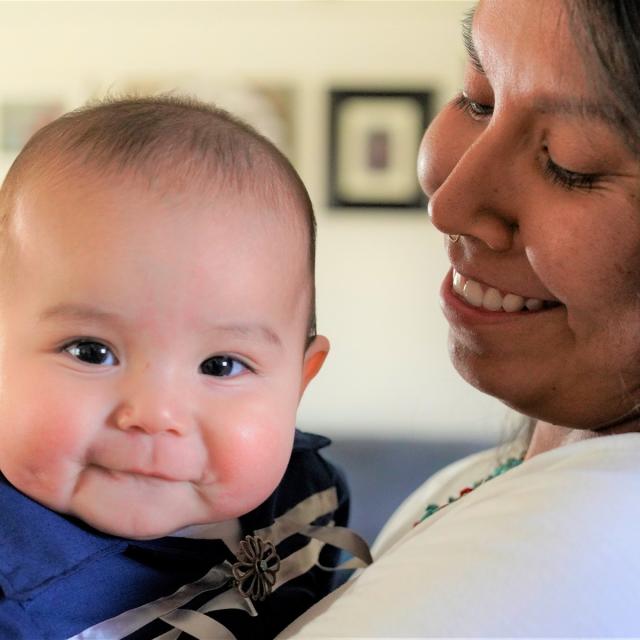
Ensuring adequate nutrition is essential for infants to reach their full potential, as early-life nutritional imbalances and deficiencies may result in detrimental and often irreversible adverse health consequences. "Breastfeeding and Adequate Substitutes" focuses on the important aspects of human milk composition, human lactation, breastfeeding practices, and the use of breastmilk substitutes.

Class Deals by MOOC List - Click here and see Coursera's Active Discounts, Deals, and Promo Codes.

In addition to the theoretical and practical aspects of infant nutrition, we also provide the latest research findings and international recommendations in this field in order to improve the health of children around the world. Additionally, you will get a glimpse of various infant feeding experiences of parents from different parts of the world.

Syllabus

WEEK 1
Welcome to Breastfeeding and Adequate Substitutes

WEEK 2
Unit 1: Breastmilk Composition and Health Benefits
In this unit, we will focus on the anatomy and physiology of human lactation along with various health benefits that breastfeeding provides to both mothers and infants, and the myriad of components that make human milk such a unique nature masterpiece.

WEEK 3
Unit 2: The Practice of Breastfeeding
In this unit, we will explore the practical aspects of breastfeeding. For example, how to achieve a proper position and latch, the various challenges that may arise, and the role of healthcare professionals in supporting a successful and comfortable breastfeeding journey for the family. Additionally, we will look at breastfeeding statistics worldwide, concluding that breastfeeding is not a one-woman job, but a collective effort that requires participation and support of the whole society.

WEEK 4
Unit 3: Breastmilk Substitutes (BMS)
In this unit, we will discuss the criteria for choosing the right breastmilk substitute (BMS) required for the proper growth and development of infants who are fully or partially formula-fed. In addition, we will demonstrate the adequate procedure for the preparation of bottles and a correct bottle-feeding technique, which are also applicable for feeding breastmilk to an infant through a bottle. Towards the end, we will provide an overview of the regulations in place to prevent the inappropriate promotion of BMS, which may undermine breastfeeding.

WEEK 5
Key Messages & Final Words
Go to Class
MOOC List is learner-supported. When you buy through links on our site, we may earn an affiliate commission.

Related Courses

Science of Exercise (Coursera) Coursera
University of Colorado Boulder

Science of Exercise (Coursera)

Learners who complete Science of Exercise will have an improved physiological understanding of how your body responds to exercise, and will be able to identify behaviors, choices, and environments that impact your health and training. You will explore a number of significant adjustments required by your body in order to properly respond to the physical stress of exercise, including changes in carbohydrate, fat and protein metabolism, nutritional considerations, causes of muscle soreness & fatigue, and the effectiveness and dangers of performance enhancing drugs.

Jun 15th 2026
4 Weeks
An Introduction to the U.S. Food System: Perspectives from Public Health (Coursera) Coursera
Johns Hopkins University

An Introduction to the U.S. Food System: Perspectives from Public Health (Coursera)

A food system encompasses the activities, people and resources involved in getting food from field to plate. Along the way, it intersects with aspects of public health, equity and the environment. In this course, we will provide a brief introduction to the U.S. food system and how food production practices and what we choose to eat impacts the world in which we live. Through several case studies, we will discuss some key historical and political factors that have helped shape the current food system and consider alternative approaches from farm to fork.

Jun 22nd 2026
5-12 Weeks
Equine Welfare and Management (Coursera) Coursera
University of California, Davis

Equine Welfare and Management (Coursera)

This unique course was developed by veterinarians at the world-renowned University of California, Davis School of Veterinary Medicine. The course will address horsemanship from a welfare perspective, within the context of “The Five Freedoms” of animal welfare. We’ll explore equine physiology, behavior and basic needs including housing, nutrition, hygiene and disease management.

Jun 22nd 2026
5-12 Weeks
Child Nutrition and Cooking (Coursera) Coursera
Stanford University

Child Nutrition and Cooking (Coursera)

Eating patterns that begin in childhood affect health and well-being across the lifespan. The culture of eating has changed significantly in recent decades, especially in parts of the world where processed foods dominate our dietary intake. This course examines contemporary child nutrition and the impact of the individual decisions made by each family.

Jun 22nd 2026
5-12 Weeks
Making Sense of Supplements (Coursera) Coursera
National Academy of Sports Medicine

Making Sense of Supplements (Coursera)

No matter how hard you try, there is no escaping the endless stream of advertising for all the nutritional supplements out there. From protein and creatine to caffeine and other more-controversial performance aids, there is something tailored to every health, wellness, and fitness goal. This course has been designed to help explore some of the most common trends in the nutritional supplementation landscape and to help separate research-supported hope from marketing hype.

Jun 22nd 2026
1 Week
Plant-Based Diets (Coursera) Coursera
National Academy of Sports Medicine

Plant-Based Diets (Coursera)

In today's world, there are many eating patterns available to choose from. They can range across a dietary spectrum from a totally carnivorous diet (meat-eating) to an entirely herbivorous diet (plant-eating). Plant-based diets are diets that rely primarily or entirely on plant-based foods. This course has been designed to help those navigate the various available plant-based diet options, their associated health benefits, and the common myths surrounding these dietary lifestyles.

Jun 22nd 2026
1 Week
National Academy of Sports Medicine Nutrition Essentials (Coursera) Coursera
National Academy of Sports Medicine

National Academy of Sports Medicine Nutrition Essentials (Coursera)

NASM's Nutrition Coaching Essentials enables you to provide evidence-based guidance to those seeking to improve body composition, athletic performance, and health. By successfully completing this program, you will have the knowledge and abilities to leverage nutrition education to increase your client's success, reduce turnover, and maximize adherence.

Jun 8th 2026
1 Week
Understanding Food Labels and Portion Sizes (Coursera) Coursera
National Academy of Sports Medicine

Understanding Food Labels and Portion Sizes (Coursera)

All of us have struggled to decipher the long list of ingredients and recommendations on our food labels. This course provides a deeper understanding of labeling standards and methods for estimating food portions essential for informed decision-making and healthy eating behaviors. You will learn the foundations of reading food labels (including supplement facts labels) as well as common obstacles faced when portioning food.

Jun 22nd 2026
1 Week
The People, Power, and Pride of Public Health (Coursera) Coursera
Johns Hopkins University

The People, Power, and Pride of Public Health (Coursera)

The People, Power, and Pride of Public Health provides an engaging overview of the incredible accomplishments and promise of the public health field. The first module includes interviews with legendary public health figures whose work led to millions of lives saved with vaccines, air bags and car seats, and the federal Women Infants and Children (WIC) nutrition program.

Jun 8th 2026
3 Weeks
Diabetes - the Essential Facts (Coursera) Coursera
University of Copenhagen

Diabetes - the Essential Facts (Coursera)

Across the world more than 420 million people are living with diabetes. Two thirds of these have not yet been diagnosed. When discovered late or managed incorrectly, diabetes can damage your heart, blood vessels, eyes, kidneys, and nerves, leading to disability and premature death. In fact, more people are dying of diabetes related diseases than of diseases as HIV/AIDS, malaria and tuberculosis combined. This course will provide you with an introduction to the most recent research in the field of prevention and treatment of diabetes as well as a broader understanding of the situation in different communities, rich and poor, across the world, where diabetes threatens public health.

Jun 22nd 2026
3 Weeks