التقانة والمستشعرات النانوية - الجزء الاول (Coursera)

التقانة والمستشعرات النانوية - الجزء الاول (Coursera)

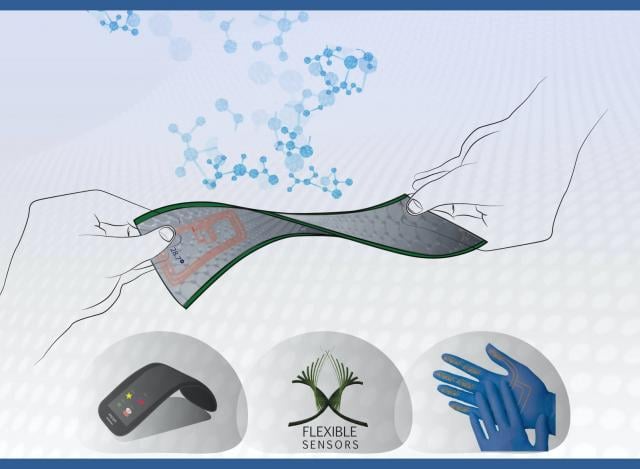
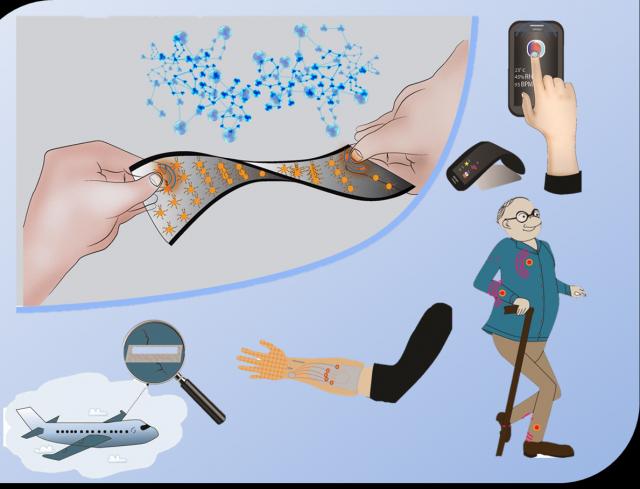
هو مساق للمهتمين في التعرف على أدوات الاستشعار الحديثة التي تستعين بتقانة النانو (وهي التقانة التي تبحث في المجال بين واحد إلى مئة نانوميتر، أي في أجزاء من المليار من المتر) لفرز ومراقبة الأحداث المختلفة في حياتنا الشخصية أو العملية. في أطار هذا المساق، سنكتشف معا عالم النانو المذهل الذي يتعامل مع الوحدات الأساسية في بناء المادة. وبهذا سوف نمهد الطريق لتطبيقات إبداعية لانهائية تطبق في كل جزء من حياتنا اليومية، بدءا من تشخيصات وعلاجات (في الجسم الحي أو خارجه) للأمراض، وثم نستمر في تقانة مراقبة جودة المنتوجات وما يختص بالبيئة، وننهي في تقانة مراقبة القضايا الأمنية. سنتعلم في هذا السعي كيف نصَنع هذه الأدوات الجديدة، وكيف نميزها، وكيف نتحكم بها، وكيف ندمجها في التطبيقات المختلفة.

Class Deals by MOOC List - Click here and see Coursera's Active Discounts, Deals, and Promo Codes.

وصف المساق
تقانة ومستشعرات النانو هو مجال يحوي اختصاصات عديدة ومتداخلة ويجمع بين الكيمياء/البيوكيمياء، الفيزياء، البيولوجيا، علم المواد، هندسة الإلكترونيات وغيرها. سيعرض المساق الحالي بعض مبادئ التقانة ومواد النانو الاساسيّة ودورها الهام في اجهزة و خواص الاستشعار. في هذا المساق سيتم نقاش معلومات شيقة من تخصصات متعددة في مجال العلوم والهندسة في المستوى النانوي, مستهدفا فهم الاختلافات الفيزيائية الأساسية لمستشعرات النانو. عند إنهاء هذا المساق، يكون قد تعلم الطالب تصنيع، تمييز ومعالجة مواد النانو ومستشعرات النانو، وكيفية تسخيرها لبناء تطبيقات جديدة. وأيضا سيطبق الطالب معرفته في تقانة ومستشعرات النانو ضمن مشروع حسب اهتمامه الشخصي.
اهداف المساق
هدف المساق الرئيسي هو تطوير التفكير النقدي, الابداعي والمبتكر. ان المساق يشجع العمل ضمن فريق ذو افراد من مجالات وحضارات مختلفة, لبناء "مخازن أفكار" عالمية لابتكار افكار جديدة. سوف يطلب منكم خلال المساق ان تقوموا بالتفكير بطريقة مبدعة, غير اعتيادية وان تقترحوا افكار جديدة.
يستهدف هذا المساق تشجيع المعرفة بالمواضيع التالية:
1) أهمية المواد النانوية في تطبيقات الاستشعار.
2) الأساليب المستخدمة في تحديد خصائص المستشعرات النانوية·
3) الأساليب المستخدمة لتكييف مواد النانو بهدف استعمالها في تطبيقات استشعار خاصة.
4) جسيمات النانو الفلزية والشبه موصلة.
5) أنابيب النانو وأسلاك النانو العضوية وغير العضوية.
6) المستشعرات الضوئية، الميكانيكية، والكيميائية المبنية من مواد النانو.
7) المستشعرات المبنية من هجين من المواد النانوية.

Syllabus

WEEK 1: الاسبوع الاول - مقدمة للتقانة النانويّة الجزء الأول
WEEK 2: الاسبوع الثاني - مقدمة للتقانة النانويّة الجزء الثاني
WEEK 3: الاسبوع الثالث - مقدمة لعلم وتقانة المستشعرات
WEEK 4: الاسبوع الرابع - المستشعرات المستندة الى جسيمات النانو الفلزية

الكتب المطلوبة:
Principles of Chemical Sensors
Novel Sensors and Sensing (Series in Sensors)
Go to Class
MOOC List is learner-supported. When you buy through links on our site, we may earn an affiliate commission.

Related Courses

Charles Darwin: El origen del evolucionismo moderno (Coursera) Coursera
Universidad Nacional Autónoma de México

Charles Darwin: El origen del evolucionismo moderno (Coursera)

Este curso está dirigido a cualquier persona que desee conocer de manera general qué es y cómo se ha explicado la evolución de las especies. Será de gran interés para alumnos, profesores y profesionales del área de ciencias biológicas y de la salud que deseen conocer los antecedentes históricos, así como los fundamentos centrales de la teoría de Charles Darwin, que configuraron el pensamiento evolutivo moderno.

Sep 7th 2026
4 Weeks
Reasoning Across the Disciplines (Coursera) Coursera
University of North Carolina

Reasoning Across the Disciplines (Coursera)

Critical reasoning skills are a key success factor for students entering their first year of college. They must be able to think logically and form arguments. This course, designed with incoming college freshmen in mind but open to anyone, provides an essential grounding in critical reasoning skills. Faculty from multiple disciplines at the University of North Carolina at Chapel Hill offer guidance on applying critical thinking skills in the context of specific disciplines. By developing these skills, students will learn more, enjoy their courses more, and experience greater academic success.

Sep 7th 2026
5-12 Weeks
Nanotechnology: A Maker’s Course (Coursera) Coursera
Duke University,University of North Carolina,North Carolina State University

Nanotechnology: A Maker’s Course (Coursera)

How can we create nano-structures that are 10,000 times smaller than the diameter of a human hair? How can we “see” at the nano-scale? Through instruction and lab demonstrations, in this course you will obtain a rich understanding of the capabilities of nanotechnology tools, and how to use this equipment for nano-scale fabrication and characterization.

Sep 7th 2026
5-12 Weeks
Mastering bitumen for better roads and innovative applications (Coursera) Coursera
École des Ponts ParisTech

Mastering bitumen for better roads and innovative applications (Coursera)

During the four coming weeks, best experts in bitumen will bring you their knowledge and experience to build a strong understanding of today’s realities and new perspectives on the future of bitumen. Total is the European leader on bitumen markets. Innovation has always been the key to sustainability and durability in the products they develop. Their main objective here is to share technical knowledge and experience to insure bitumen are being used in the most effective and efficient ways for their different applications in road works.

Sep 7th 2026
4 Weeks
Chemical Engineering Thermodynamics 1 (Coursera) Coursera
Korea Advanced Institute of Science and Technology - KAIST

Chemical Engineering Thermodynamics 1 (Coursera)

An appreciation of thermodynamics is required to become a chemical and biomolecular engineer. Thermodynamics can assess the viability of a process and is one of the curriculum's most essential topics. The principles are utilized in following engineering courses (kinetics, mass transfer, design, materials) and are applicable to numerous engineering disciplines. The increased emphasis on energy usage and transformation as a result of rising demand, diminishing supply, and global warming necessitates that the engineers who will tackle these issues have a firm grasp of thermodynamics.

Aug 31st 2026
5-12 Weeks
Thermodynamique : applications (Coursera) Coursera
École Polytechnique Fédérale de Lausanne

Thermodynamique : applications (Coursera)

Ce cours complète le MOOC « Thermodynamique : fondements » qui vous permettra de mettre en application les concepts fondamentaux de la thermodynamique. Pour atteindre cet objectif, le Professeur J.-Ph. Ansermet de l’Ecole Polytechnique Fédérale de Lausanne s’est entouré d’experts et de spécialistes des différents domaines d’application provenant de diverses institutions partenaires du réseau RESCIF. Vous pourrez ainsi voir l’usage de la thermodynamique en chimie, en ingénierie et en physique.

Aug 31st 2026
5-12 Weeks
The Science of Stem Cells (Coursera) Coursera
American Museum of Natural History

The Science of Stem Cells (Coursera)

What promise do stem cells hold for the treatment of medical conditions? In this five-part online course you will explore the history and basic biology of stem cells, learn about new research techniques, and find out how stem cells could lead to cures for diseases and to individualized medicine.

Sep 7th 2026
5-12 Weeks
Introduction to Molecular Spectroscopy (Coursera) Coursera
University of Manchester

Introduction to Molecular Spectroscopy (Coursera)

The course introduces the three key spectroscopic methods used by chemists and biochemists to analyse the molecular and electronic structure of atoms and molecules. These are UV/Visible , Infra-red (IR) and Nuclear Magnetic Resonance (NMR) spectroscopies. The content is presented using short focussed and interactive screencast presentations accompanied by formative quizzes to probe understanding of the key concepts presented. Numerous exercises are provided to facilitate mastery of each topic. A unique virtual spectroscopic laboratory is made available to enable students to measure and analyse spectra online. Assessment is via summative quizzes completed during the course period.

Sep 7th 2026
4 Weeks
Materials Data Sciences and Informatics (Coursera) Coursera
Georgia Institute of Technology

Materials Data Sciences and Informatics (Coursera)

This course aims to provide a succinct overview of the emerging discipline of Materials Informatics at the intersection of materials science, computational science, and information science. Attention is drawn to specific opportunities afforded by this new field in accelerating materials development and deployment efforts.

Sep 7th 2026
5-12 Weeks
Understanding Plants - Part II: Fundamentals of Plant Biology (Coursera) Coursera
Tel Aviv University

Understanding Plants - Part II: Fundamentals of Plant Biology (Coursera)

This class is aimed at people interested in understanding the basic science of plant biology. In this four lecture series, we'll first learn about the structure-function of plants and of plant cells. Then we'll try to understand how plants grow and develop, making such complex structures as flowers. Once we know how plants grow and develop, we'll then delve into understanding photosynthesis - how plants take carbon dioxide from the air and water from soil, and turn this into oxygen for us to breathe and sugars for us to eat. In the last lecture we'll learn about the fascinating, important and controversial science behind genetic engineering in agriculture.

Aug 31st 2026
4 Weeks
Introduction to Systems Biology (Coursera) Coursera
Icahn School of Medicine at Mount Sinai

Introduction to Systems Biology (Coursera)

This course will introduce the student to contemporary Systems Biology focused on mammalian cells, their constituents and their functions. Biology is moving from molecular to modular. As our knowledge of our genome and gene expression deepens and we develop lists of molecules (proteins, lipids, ions) involved in cellular processes, we need to understand how these molecules interact with each other to form modules that act as discrete functional systems.

Sep 7th 2026
5-12 Weeks
Nanotechnology and Nanosensors, Part 2 (Coursera) Coursera
Technion - Israel Institute of Technology

Nanotechnology and Nanosensors, Part 2 (Coursera)

Learn about novel sensing tools that make use of nanotechnology to screen, detect and monitor various events in personal or professional life. Together, we will lay the groundwork for infinite innovative applications, starting from diagnosis and treatments of diseases, continuing with quality control of goods and environmental aspects, and ending with monitoring security issues.

Sep 7th 2026
5-12 Weeks