Sustainable Food Teach-Out (FutureLearn)

Sustainable Food Teach-Out (FutureLearn)

Discover the link between food and climate change and learn about the collective journey towards a sustainable global diet. Explore the importance of food choices in reducing greenhouse gas emissions. What we choose to eat matters. Did you know that a quarter of all greenhouse gas emissions come from food and agricultural systems? One way each and every one of us can reduce our impact on the environment is to change what is on the end of our forks.

Class Deals by MOOC List - Click here and see FutureLearn's Active Discounts, Deals, and Promo Codes.

On this two-week course, you’ll explore the complexities of the food system and how we can, individually and collectively, create food habits that reduce our impact on climate change.
Delve into the true environmental impact of food
You’ll explore exactly where food-related emissions come from, and why food choice is important for reducing carbon emissions.
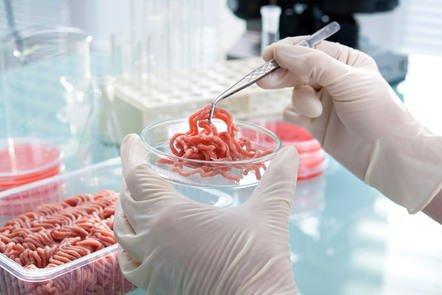
Taking a deep dive into different foods and their footprints, you’ll be able to explain the difference between a beef hamburger and a plant-based hamburger in terms of environmental impact.
With this knowledge, you’ll be able to identify ways to reduce your personal food-related emissions.
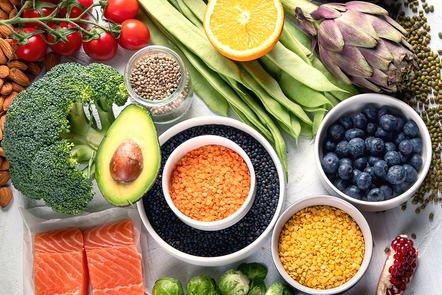
Understand what makes a sustainable diet
The course will break down consumer behaviour into three parts; what we choose to eat, where we source our food from, and how to reduce food-related waste.
As you explore each part, you’ll understand more about sustainable food choices, food justice, and equity.
Explore what it’s like to operate a community garden
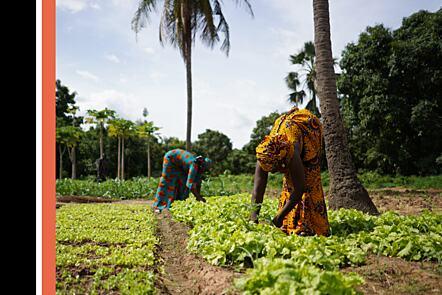
With an understanding of the challenges we face with our current food systems, you’ll identify different sustainable solutions such as community gardens and get to experience what it’s like to operate such an initiative.
Guided by the University of Michigan, home to some of the top experts in sustainable food, you’ll learn from specialists in the field.
By the end of the course, you’ll have the knowledge to feel empowered to make changes and support the collective journey towards a more sustainable global diet.

What topics will you cover?

  • This Teach-Out will address the following questions:
  • Why are food choices so difficult?
  • Why is food choice so important for reducing greenhouse gas emissions?
  • What is the difference between a beef hamburger and a plant-based hamburger in terms of environmental impact?
  • Where are my food-related emissions coming from?

Who is the course for?
This course is designed for anyone with an interest in learning more about sustainable food and how you can improve your personal food choices to be more environmentally friendly.


Go to Class
MOOC List is learner-supported. When you buy through links on our site, we may earn an affiliate commission.

Related Courses

Introduction to Sustainable Practices in Food Service (FutureLearn) FutureLearn
International Culinary Studio

Introduction to Sustainable Practices in Food Service (FutureLearn)

Create a more sustainable food service business and make a difference to your bottom line, your stakeholders, and the environment. Improve your sustainable practices within your organisation. Sustainability isn’t just about ‘greening’; sustainability actually means ‘meeting the needs of the present without compromising the ability of future generations to meet their needs.’ On this course, you’ll look at general global sustainability concepts, issues, and concerns, before focusing on sustainability specifically within food service and what you can do to reduce your impact.

Self Paced
2 Weeks
Educating for Sustainable Development (ESD) in Schools and Universities (FutureLearn) FutureLearn
University College London

Educating for Sustainable Development (ESD) in Schools and Universities (FutureLearn)

Explore the global challenges facing sustainable development worldwide and how to introduce them in schools and HE institutions. Develop the skills to examine sustainable development with all learners. As part of the UN Sustainable Development Goals, schools and universities have a responsibility to educate all learners on sustainability. On this three-week course, you’ll gain an overview of the key issues relating to sustainability and how to deliver this knowledge, whether you teach in schools or higher education.

Self Paced
3 Weeks
Sustainable Cities: Governing Urban Adaptation Under Climate Change (FutureLearn) FutureLearn
University of Groningen,Global Center on Adaptation

Sustainable Cities: Governing Urban Adaptation Under Climate Change (FutureLearn)

Discover expert governance strategies for preparing urban areas to face the challenges posed by climate change. Learn how cities can successfully adapt to environmental change. In this course, you will investigate how governance strategies and policies for making cities more sustainable and resilient in the face of increasing climate risks can be financed and implemented.

Self Paced
3 Weeks
IUCN Red List of Ecosystems: The Global Standard for Assessing Risks to Ecosystems (FutureLearn) FutureLearn
Deakin University

IUCN Red List of Ecosystems: The Global Standard for Assessing Risks to Ecosystems (FutureLearn)

This course introduces the IUCN Red List of Ecosystems and its successful use and policy impact through real-world case studies. Learn how the Red List of Ecosystems is helping to sustain global biodiversity. Nature is under threat around the world. Understanding where ecosystems are at greatest risk allows us to act to sustain species and ecosystems.

Self Paced
2 Weeks
Small and Mighty: Introduction to Microbiology (FutureLearn) FutureLearn
University of Reading

Small and Mighty: Introduction to Microbiology (FutureLearn)

Understand the basics of microbiology and explore the diversity of microbial life in our world. Discover the fascinating world of microbes. Microbes may be invisible to the eye, but they dominate every environment on Earth – including you. Microbes are often associated with disease yet the majority of species help to keep us alive. How can you distinguish the good from the bad?

Self Paced
3 Weeks
A Nutritional Approach to Agriculture and Food Security (FutureLearn) FutureLearn
University of Leeds

A Nutritional Approach to Agriculture and Food Security (FutureLearn)

Develop skills to apply and evaluate innovative solutions that place nutrition at the heart of a sustainable food system. Modern agriculture and global food systems have become very complex and do not always provide people with affordable and nutritious food. This course presents current research, which aims to place nutrition at the heart of the food system.

Self Paced
2 Weeks
Food Science and Nutrition: From the Farm to You (FutureLearn) FutureLearn
University of Leeds

Food Science and Nutrition: From the Farm to You (FutureLearn)

Follow food’s fascinating journey from the farm to your body and explore new food technologies and nutrition around the world. Discover the science of food and understand the value of nutrition in our diets. On this course, you’ll learn how food science and nutrition helps us to understand and study the fascinating world of food.

Self Paced
2 Weeks
Unleash Your Potential: Sustainable Futures (FutureLearn) FutureLearn
University of Bristol

Unleash Your Potential: Sustainable Futures (FutureLearn)

Learn about the sustainability challenges of the modern world, and make a positive contribution to society. Find out how to deal with world sustainability issues. United Nations (UN) countries have adopted a set of goals to end poverty, protect the planet and ensure prosperity for all. On this online course, you’ll learn about these UN Sustainable Development Goals, and the different roles people can play in creating a sustainable future.

Self Paced
4 Weeks
Identifying Food Fraud (FutureLearn) FutureLearn
University of East Anglia

Identifying Food Fraud (FutureLearn)

An introduction to modern analytical science techniques and how they can be used to uncover food fraud. The food industry is one of the most important commercial sectors in the world. Everyone uses it, but how many people abuse it? As we witness the increasing globalisation of the supply chain, a growing challenge is verifying the questionable identity of raw materials in the food we eat.

Self Paced
4 Weeks
Making Climate Adaptation Happen: Governing Transformation Strategies for Climate Change (FutureLearn) FutureLearn
University of Groningen,Global Center on Adaptation

Making Climate Adaptation Happen: Governing Transformation Strategies for Climate Change (FutureLearn)

Explore how adaptive governance could help policymakers plan for and manage sudden environmental changes. Learn the governance tools to respond to climate change. Climate change is one of the biggest challenges facing governing bodies across the globe. On this course, you will be introduced to climate science, the societal effects of climate change, and the responses already available in the form of climate adaptation.

Self Paced
4 Weeks