Social Determinants of Health (Coursera)

Social Determinants of Health (Coursera)

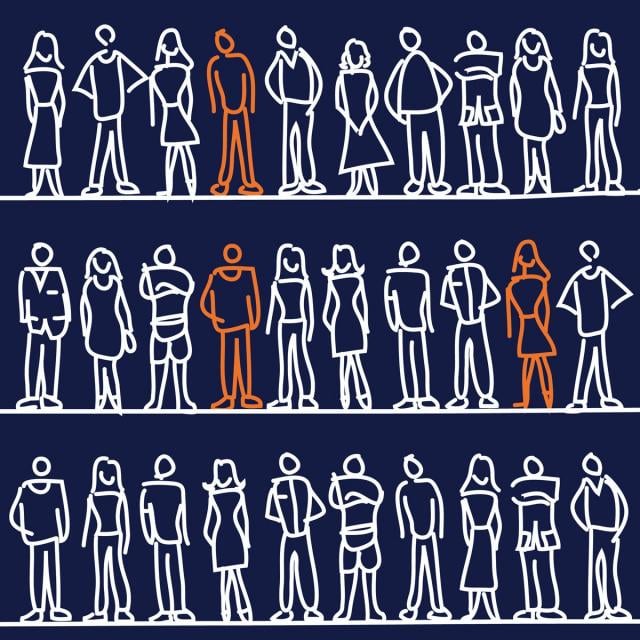
This is an introductory course on social determinants of population health with a focus on the United States. The course will introduce you to, or reinforce your knowledge of, issues related to health that consider behavioral, psychological and structural factors in population health beyond the healthcare system. We will examine social, economic, and political factors that contribute to health inequalities and suggest innovative ways to reduce disparities in health when the goal is to achieve health equity.

Class Deals by MOOC List - Click here and see Coursera's Active Discounts, Deals, and Promo Codes.

This course will increase your awareness, knowledge, and understanding of issues related to behavioral, psychological, and structural factors that contribute to understanding population health and health inequities. We will discuss conceptual and methodological issues key to health professionals working towards achieving health equity to reduce health disparities at multiple levels of influence. There will be opportunities to practice skills involving cultural humility, deliberative dialogues and professional self-assessments.
By the end of this course, you will be able to:
Discuss the means by which structural bias, social inequalities and racism undermine health and create challenges to achieving health equity at organizational, community and societal levels
Course 1 of 3 in the The Influence of Social Determinants on Health Specialization.

Syllabus

WEEK 1
Course Overview, Definitions, and Levels of Influence
In this module, we introduce the concepts of health disparities and health equity, and we examine the historical factors that led to the health disparities we see today.

WEEK 2
Disparities in Mortality and Morbidity by Psychosocial and Demographic Factors, Theoretical Considerations, and Environmental and Cultural Contexts
In this module we describe three conceptual frameworks and we examine how they can be usefully applied to understand disparities in mortality and morbidity and to achieve health equity.

WEEK 3
Social Determinants of Health: The Healthcare System, Immigration Status, Sexual Identity, and Unconscious Bias
In this module we apply the social determinants of health framework to the healthcare system, immigration status, and sexual identity, paying special attention to unconscious bias.

WEEK 4
Racism, Discrimination; Culture, Gender and Power; Changing Structures that Reproduce Bias and Harm Health
In this module we dive deeper into racism and discrimination, as well as culture, gender and power, and we examine how we can achieve health equity by changing the structures that reproduce bias and harm health.

Go to Class
MOOC List is learner-supported. When you buy through links on our site, we may earn an affiliate commission.

Related Courses

Feeding the World (Coursera) Coursera
University of Pennsylvania

Feeding the World (Coursera)

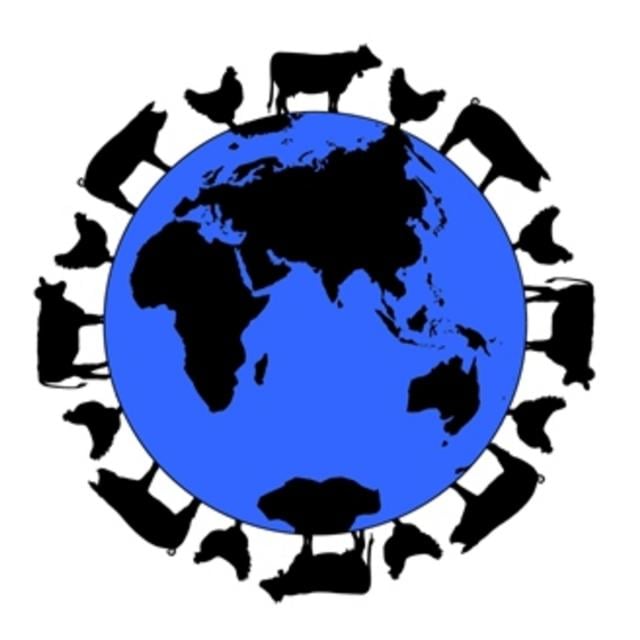
This course will explore the concepts driving current food production science (population growth, urbanization, emerging affluence, resource constraints, and underlying biological limits) with the main focus on livestock production. Each of the major food animal species (dairy, swine, beef, and poultry) will be covered in terms of their universal life cycles, constraints to production and emerging societal issues.

Oct 12th 2026
5-12 Weeks
Population Health: Fundamentals of Population Health Management (Coursera) Coursera
Leiden University

Population Health: Fundamentals of Population Health Management (Coursera)

What are the principles of Population Health Management as a pro-active management approach to improve health and to tackle health disparities? In this course we will discuss the basic principles of Population Health Management that will help you as (future) health care professional or policymaker to analyse current healthcare challenges and to design possible solutions using the Population Health Management Approach.

Oct 12th 2026
4 Weeks
Epidemics (Coursera) Coursera
University of Hong Kong

Epidemics (Coursera)

“If history is our guide, we can assume that the battle between the intellect and will of the human species and the extraordinary adaptability of microbes will be never-ending.” Despite all the remarkable technological breakthroughs that we have made over the past few decades, the threat from infectious diseases has significantly accelerated. In this course, we will learn why this is the case by looking at the fundamental scientific principles underlying epidemics and the public health actions behind their prevention and control in the 21st century.

Oct 12th 2026
5-12 Weeks
Weight Management: Beyond Balancing Calories (Coursera) Coursera
Emory University

Weight Management: Beyond Balancing Calories (Coursera)

Across the globe, more people are suffering from obesity than at any other time in our history. Why has obesity become so common and so challenging? In this course, we will look at the root cause of obesity, as explained by the latest science. We will see how our food environment has evolved over the last half-century, and how it is altering our biology to over-consume calories and resist sustained weight loss.

Oct 12th 2026
5-12 Weeks
Curanderismo: Global & Cultural Influences of Traditional Healing (Coursera) Coursera
University of New Mexico

Curanderismo: Global & Cultural Influences of Traditional Healing (Coursera)

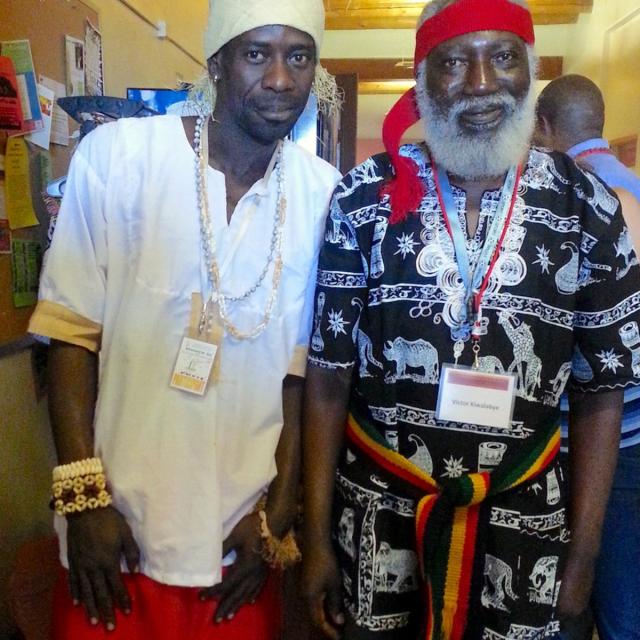
As the last of four courses on Curanderismo, the art of Hispanic/Latino traditional medicine, this course focuses specifically on traditional healing using different techniques of many countries around the world. As an educational and cultural platform, this course will share a number of traditional global perspectives.

Oct 12th 2026
5-12 Weeks
PrEParing: PrEP for Providers and Patients (Coursera) Coursera
Johns Hopkins University

PrEParing: PrEP for Providers and Patients (Coursera)

Pre-Exposure Prophylaxis (PrEP) using the antiretroviral medication emtricitibine/tenofovir approved in countries around the world is a highly effective means of reducing transmission of HIV through sexual encounters and needle sharing. This Johns Hopkins University course PrEPares you with essential information, concepts and practical advice regarding PrEP from leaders in the field. A first of its kind learning opportunity, both providers and patients learn from the same experts through content that meets the needs of both audiences, while facilitating the opportunity for a shared community space.

Oct 12th 2026
5-12 Weeks
Population Health: Syndemics (Coursera) Coursera
Leiden University

Population Health: Syndemics (Coursera)

Do you wish to contribute to breaking cycles of ill-health in disadvantaged populations? And explore co-occurrence of diseases, such as substance abuse, infectious and chronic disease, and the relation with social factors (disparities)? Are you disappointed in the poor effectiveness of interventions for combined social and medical problems? Then this syndemics course might provide you with some answers.

Oct 12th 2026
4 Weeks
The Brain and Space (Coursera) Coursera
Duke University

The Brain and Space (Coursera)

This course is about how the brain creates our sense of spatial location from a variety of sensory and motor sources, and how this spatial sense in turn shapes our cognitive abilities. Knowing where things are is effortless. But “under the hood,” your brain must figure out even the simplest of details about the world around you and your position in it.

Oct 12th 2026
5-12 Weeks
Disease Screening in Public Health (Coursera) Coursera
University of Geneva

Disease Screening in Public Health (Coursera)

Current and future public health is characterized by the increase of chronic and degenerative diseases, corresponding to the worldwide ageing of the population. The increasing prevalence of these conditions together with the long incubation period of the chronic diseases and the restless technological innovations, offer new opportunities to develop strategies for early diagnosis.

Oct 12th 2026
5-12 Weeks
Psychology of Popularity (Coursera) Coursera
University of North Carolina

Psychology of Popularity (Coursera)

The level of popularity you experienced in childhood and adolescence is still affecting you today in ways that you may not even realize. Learn about how psychologists study popularity and how these same concepts can be used in adulthood to be more successful at work, become better parents, and have a happier life.

Oct 12th 2026
5-12 Weeks
HPV-Associated Oral and Throat Cancer: What You Need to Know (Coursera) Coursera
Icahn School of Medicine at Mount Sinai

HPV-Associated Oral and Throat Cancer: What You Need to Know (Coursera)

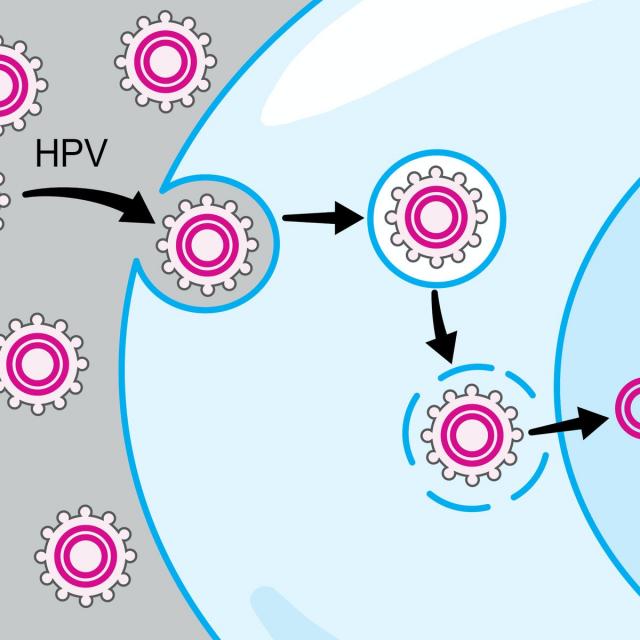
This course, offered by the Department of Otolaryngology – Head and Neck Surgery at the Icahn School of Medicine at Mount Sinai, is designed to inform primary care physicians and otolaryngologists (general and head and neck surgeons), as well as medical students, residents, nurses, physician assistants, medical assistants, about HPV-associated oral and throat cancers. It is also applicable to individuals who wish to broaden their knowledge and vernacular about this disease process, especially those who may have been diagnosed with HPV and/or HPV-associated oropharyngeal cancers.

Oct 12th 2026
5-12 Weeks