Shakespeare: Print and Performance (FutureLearn)

Offered by King's College London,
Shakespeare: Print and Performance (FutureLearn)

As part of Shakespeare400, learn about Shakespeare in print and performance around the world, from early modern times to today. Why do we continue to read and perform Shakespeare’s works around the world today? How were his plays performed and printed 400 years ago, and how has our conception of Shakespeare changed over the centuries?

Class Deals by MOOC List - Click here and see FutureLearn's Active Discounts, Deals, and Promo Codes.

As part of the Shakespeare400 consortium of events, marking 400 years since his death, King’s College London has partnered with Shakespeare’s Globe and the British Library to explore how Shakespeare’s works continue to delight audiences around the world.
Join academics, curators, publishers, actors, musicians and theatre directors, as we find out more about Shakespeare’s early modern world and consider his construction as a global icon today.

Go behind-the-scenes at The Globe
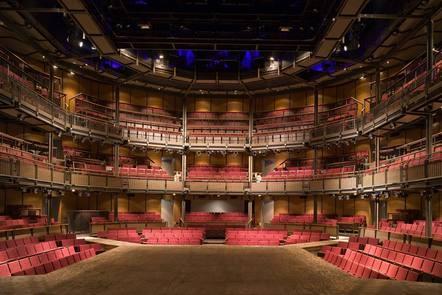
We will take you on to the stage of the Globe Theatre, to find out about performance practices both in the present day capital and in Early Modern London.
We’ll meet practitioners at the Globe and we’ll step into the world of the early modern actor to examine the processes and conditions that were at the heart of the Shakespearean playhouse.

Explore rarely-seen priceless manuscripts
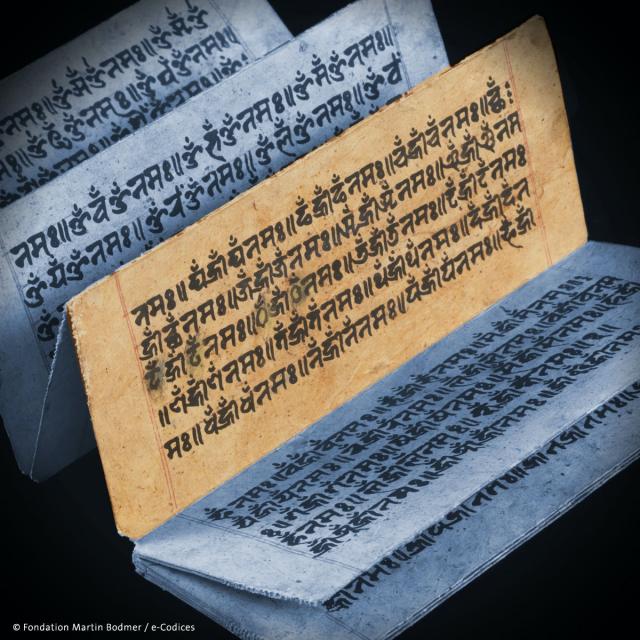
The British Library has given us exclusive access to some some priceless manuscripts and early printed texts in their archives. We’ll also discover how the early modern book trade shaped the journey of Shakespeare’s text from stage to page.

Share your own insights with other learners
‘Global Shakespeares’ is one of the key themes which we will explore on the course. When you join Shakespeare: Print and Performance, you will become part of a diverse international learning community, and we will draw on everyone’s experiences of Shakespeare to enrich our discussion.

What topics will you cover?
Performing Shakespeares
Early Modern Print
Shakespeare in Print Today
Global/Local Shakespeares

Learning on this course
You can take this self-guided course and learn at your own pace. On every step of the course you can meet other learners, share your ideas and join in with active discussions in the comments.

What will you achieve?
By the end of the course, you'll be able to...

  • Reflect on Shakespeare as a global cultural icon
  • Discuss early modern performance practices and the development of the theatre industry
  • Investigate how the print industry developed in early modern England
  • Discuss early modern literary culture and the ‘instability’ of the early modern play text
  • Evaluate the impact of editorial policy on the way in which Shakespeare is read and performed today
  • Explore Shakespeare in performance around the world today

Who is the course for?
A curiosity and interest in William Shakespeare’s works are the only prerequisites you need to join this course!
Familiarity with Shakespeare’s works or prior study relating to Shakespeare will be helpful, though not essential.
Go to Class
MOOC List is learner-supported. When you buy through links on our site, we may earn an affiliate commission.

Related Courses

Fairy Tales: Meanings, Messages, and Morals (FutureLearn) FutureLearn
The University of Newcastle, Australia

Fairy Tales: Meanings, Messages, and Morals (FutureLearn)

Build your skills in literary analysis and creative writing by exploring the meaning of fairy tales. Discover the fascinating circumstances and meanings behind fairy tales. On this course, you will look deeper into the enchanting and surprisingly dark themes of several well-known European fairy tales. What were the authors thinking? What were the cultural and personal concerns that have shaped these stories? What are the readers being asked to believe?

No sessions available
3 Weeks
Literature and Mental Health: Reading for Wellbeing (FutureLearn) FutureLearn
The University of Warwick

Literature and Mental Health: Reading for Wellbeing (FutureLearn)

Find out how poems, plays and novels can help us understand and cope with deep emotional strain in this free online course. The great 18th century writer Dr Samuel Johnson, who suffered from severe bouts of depression, said “the only end of writing is to enable the reader better to enjoy life or better to endure it.” This free online course will explore how enjoying literature can help us to endure life.

No sessions available
5-12 Weeks
Introduction to the Nonprofit Sector, Nonprofit Organizations, Nonprofit Leadership and Governance (Coursera) Coursera
The State University of New York

Introduction to the Nonprofit Sector, Nonprofit Organizations, Nonprofit Leadership and Governance (Coursera)

This course introduces you to the nonprofit sector, nonprofit organizations, and the concepts of leadership and governance. While this course has been developed with North American culture in mind, we do appreciate that in other parts of the world the nature of the nonprofit sector, nonprofit organizations, nonprofit leadership and governance may not be the same. Nevertheless, it is our hope that much of the course content will still be of value to those in other parts of the world.

Jun 22nd 2026
5-12 Weeks
Reading Macondo: the Works of Gabriel García Márquez (FutureLearn) FutureLearn
Universidad de los Andes

Reading Macondo: the Works of Gabriel García Márquez (FutureLearn)

Explore why the author of One Hundred Years of Solitude is one of the 20th century’s leading writers in this free online course. Gabriel García Márquez is a Colombian writer, who won the Literature Nobel Prize in 1982. He has been recognised as one of the world’s leading writers in the second half of the 20th century. His works have been translated into many languages, been adapted for TV and film, and inspired many subsequent works of art.

No sessions available
5-12 Weeks
Japanese Culture Through Rare Books (FutureLearn) FutureLearn
Keio University

Japanese Culture Through Rare Books (FutureLearn)

Explore the important roles that books have played in the cultural history of Japan. A book is a tool for preserving words and images. Through books, an abundance of information, including the knowledge and experiences of the people of the past, has been handed down to the present. But books are more than records of words and images.

No sessions available
3 Weeks
Gabriel García Márquez: Power, History and Love (FutureLearn) FutureLearn
Universidad de los Andes

Gabriel García Márquez: Power, History and Love (FutureLearn)

Identify the author’s contributions to world literature through the study of three of his obsessions: power, history and love. In this course you will be able to identify Colombian writer Gabriel García Márquez’s narrative contributions to world literature through the study of three of the author’s obsessions: power, history and love.

No sessions available
5-12 Weeks
Workplace Wellbeing: Stress and Productivity at Work (FutureLearn) FutureLearn
Manchester Metropolitan University

Workplace Wellbeing: Stress and Productivity at Work (FutureLearn)

Explore the link between work productivity and stress, and learn how improving workplace wellbeing can boost work performance. Build workplace stress management skills and learn work productivity techniques. The UK government, businesses, and public health organisations have all backed the case for improving productivity through improved wellbeing in the workplace. This course draws on contemporary research and consultancy experience to explore how stress impacts workplace productivity and performance.

Nov 16th 2020
3 Weeks