Microbiology (saylor.org)

Offered by Saylor.org,
Microbiology (saylor.org)

This course will cover a range of diverse areas of microbiology, including virology, bacteriology, and applied microbiology. This course will focus on the medical aspects of microbiology, as medical research has been the primary motivator in microbiology research.

Even in ancient times, scholars believed that diseases could be spread by organisms too small to be seen by the naked eye. Before we discovered that bacteria cells were the real culprits, many attributed disease to other sources. Now that scientists have definitively identified the microscopic causes of various infectious diseases, microbiology, or the study of microscopic-sized organisms, has become an increasingly important field in biology and in the larger biomedical community. Most microbes are harmless. Some of them are essential for life on Earth, e.g. through their ability to fix nitrogen. Biotechnology, which is truly the industry of our times, takes advantage of microbes for the production of a variety of complex substances, and it also mass-produces natural and engineered microbes for human use.
Go to Class
MOOC List is learner-supported. When you buy through links on our site, we may earn an affiliate commission.

Related Courses

Microbiology (edX) EdX
Southern New Hampshire University,SNHUx

Microbiology (edX)

Study the impact of pathogenic organisms and their role in immunology and disease. You’ll gain knowledge on the interaction between microbe and host, preventative measures and treatment of infectious diseases. Looking to move into a healthcare role? Microbiology is a critical subject for anyone looking to work in the healthcare field. In this course, you’ll focus on the impact of pathogenic organisms and their role in immunology and disease.

Self Paced
Self-Paced
Whole genome sequencing of bacterial genomes - tools and applications (Coursera) Coursera
Technical University of Denmark - DTU

Whole genome sequencing of bacterial genomes - tools and applications (Coursera)

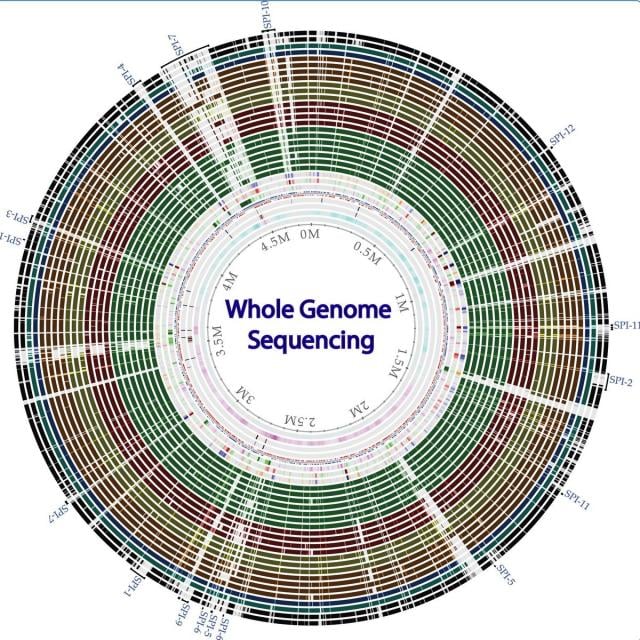
This course will cover the topic of Whole genome sequencing (WGS) of bacterial genomes which is becoming more and more relevant for the medical sector. WGS technology and applications are high on international political agenda, as the classical methods are being replaced by WGS technology and therefore bioinformatic tools are extremely important for allowing the people working in this sector to be able to analyze the data and obtain results that can be interpreted and used for different purposes.

Aug 10th 2026
5-12 Weeks
Antimicrobial resistance - theory and methods (Coursera) Coursera
Technical University of Denmark - DTU

Antimicrobial resistance - theory and methods (Coursera)

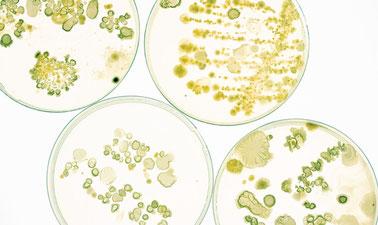
The course will cover the topics related to antimicrobial resistance with basic definitions and overview on antimicrobials their use and the emergence and spread of resistance. The course will guide you through the concepts and the importance of resistance spread and dissemination and how that happens. It will show you how bacteria become resistant and which mechanisms they might use for this. And as part of the course you will also receive some training in methods for antimicrobial susceptibility testing (AST) and detection of specific resistance in the microbiological laboratories with the basic methods available and with focus on the obtention of good quality results which can be interpreted and used for different purposes.

Jul 27th 2026
5-12 Weeks
COVID-19 Critical Care: Understanding and Application (FutureLearn) FutureLearn
University of Edinburgh,Royal College of Physicians of Edinburgh

COVID-19 Critical Care: Understanding and Application (FutureLearn)

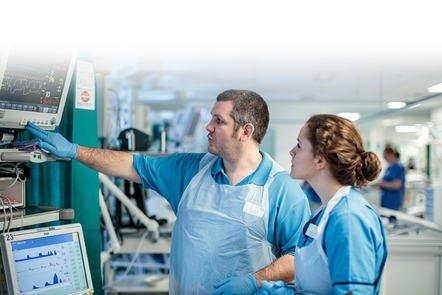
Learn the principles and practice of critical care to treat and care for critically ill patients during the COVID-19 pandemic. Learn to manage critical care patients whilst protecting yourself and your peers. “One of the essential qualities of the clinician is interest in humanity: the secret of the care of the patient is in caring for the patient” Francis W. Peabody, Harvard Medical School 1925. This 6-week course will teach you how to effectively care for critically ill patients during the COVID-19 pandemic.

Available now
5-12 Weeks
Cell Biology (saylor.org) Saylor Academy
Saylor.org

Cell Biology (saylor.org)

The cell is the fundamental unit of life; in fact, the smallest living organisms are composed of a single cell. We have learned that, despite their small size, cells are far from simple, and we have only recently begun to understand just how complex they are. This course will present you with a detailed overview of a cell’s main components and functions.

Legacy Course
Self-Paced
ePROTECT Respiratory Infections (OpenWHO) OpenWHO
World Health Organization

ePROTECT Respiratory Infections (OpenWHO)

All personnel responding to outbreaks of Acute Respiratory Infections (ARIs) need to have the basic knowledge and skills to mount an effective response. They need to understand what ARIs are, how they are transmitted, how to assess the risk of infection and to understand basic hygiene measures to protect themselves. This learning package consists of 4 modules with videos and downloadable presentations.

Self Paced
Self-Paced
COVID-19: Tackling the Novel Coronavirus (FutureLearn) FutureLearn
London School of Hygiene & Tropical Medicine,UK Public Health Rapid Support Team

COVID-19: Tackling the Novel Coronavirus (FutureLearn)

What is COVID-19 and how might the outbreak affect you? Find out more about coronavirus and explore its worldwide implications. Understand the emergence of COVID-19 and how we respond to it going forward. The world is paying close attention to the outbreak of novel coronavirus, following its emergence in December 2019 in Wuhan, China.

No sessions available
3 Weeks
Nutrition and Health: Food Risks (edX) EdX
Wageningen University,WageningenX

Nutrition and Health: Food Risks (edX)

Learn about bacteria, pesticides and health hazards present in food. Everyday reports of food scandals and recalls are published. One day it’s scary bacteria in meat, and another day it’s dangerous pesticides in fruits. According to some, meat needs to be cooked well to prevent food-borne illness while others warn not to heat food to prevent the formation of poisonous substances.

Self Paced
Self-Paced
Emerging respiratory viruses, including COVID-19 (OpenWHO) OpenWHO
World Health Organization

Emerging respiratory viruses, including COVID-19 (OpenWHO)

Coronaviruses are a large family of viruses that are known to cause illness ranging from the common cold to more severe diseases such as Middle East Respiratory Syndrome (MERS) and Severe Acute Respiratory Syndrome (SARS). A novel coronavirus (COVID-19) was identified in 2019 in Wuhan, China. This is a new coronavirus that has not been previously identified in humans. This course provides a general introduction to COVID-19 and emerging respiratory viruses and is intended for public health professionals, incident managers and personnel working for the United Nations, international organizations and NGOs. As the official disease name was established after material creation, any mention of nCoV refers to COVID-19, the infectious disease caused by the most recently discovered coronavirus.

Self Paced
Self-Paced
COVID-19: What You Need to Know (CME Eligible) (Coursera) Coursera
Osmosis

COVID-19: What You Need to Know (CME Eligible) (Coursera)

COVID-19 is a global pandemic that has already resulted in hundreds of thousands of infections and thousands of deaths, with many more anticipated. This course is a go-to resource that will be regularly updated with all of the current information put forth by the CDC, WHO, and other leading agencies and covers the basics, personal protective equipment, diagnostics, and other material.

Jun 21st 2026
1 Week
Stories of Infection (Coursera) Coursera
Stanford University

Stories of Infection (Coursera)

This course introduces learners to a variety of infectious diseases using a patient-centered, story-based approach. Through illustrated, short videos, learners will follow the course of each patient’s illness, from initial presentation to resolution. Integrating the relevant microbiology, pathophysiology and immunology, this course aims to engage and entice the learner towards future studies in microbiology, immunology and infectious diseases.

Jul 20th 2026
5-12 Weeks