Medical Emergencies: CPR, Toxicology, and Wilderness (Coursera)

Medical Emergencies: CPR, Toxicology, and Wilderness (Coursera)

In this course, you will develop the knowledge and skills to assess and stabilize certain types of patients for transport.

Class Deals by MOOC List - Click here and see Coursera's Active Discounts, Deals, and Promo Codes.

By the end of this course, you will be able to:
(1) Identify the signs and symptoms associated with a patient in shock, to describe the major categories of shock, to assess a patient with signs of shock and formulate a plan for treatment to stabilize the patient for transport,
(2) Identify a patient in cardiac arrest and to describe the components of high performance CPR including placement of an AED, components of quality chest compressions, and options for oxygenation,
(3) Identify a patient with under the influence of a drug of abuse or a toxicologic ingestion, assess a patient with a potential or known ingestion, and to formulate a plan for treatment and stabilization for transport including that of a violent patient,
(4) Identify the symptoms associated with the most common environmental emergencies including hypothermia, hyperthermia, lightning strike and drowning, to assess patients with an environmental emergency and to describe initial treatment and stabilization for transportation and
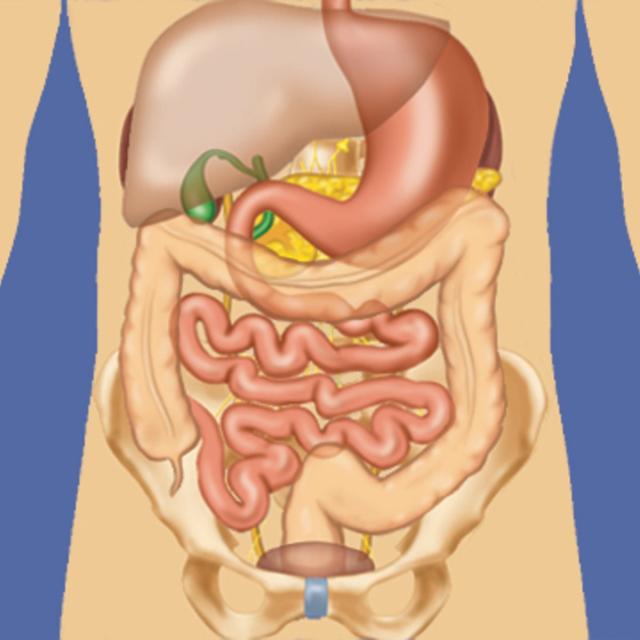
(5) Understanding your patient's story as well as to think critically about the complaint and symptoms associated with the gastrointestinal track, renal system, and the reproductive system.

Course 3 of 6 in the Become an EMT Specialization.

Syllabus

WEEK 1
Cardiac Arrest and Shock
In this module you will be learning about states of shock and the principles of resuscitation. Unlike our common use of the word shock referring to a mental state of feeling overwhelmed or alarmed, shock is a state of crisis within the body, involving one or more of the organ systems. If left uncorrected, shock can lead to death. The other topic, resuscitation, will cover the principles of treating and reversing shock, and most importantly, the treatment of cardiac arrest. We will discuss the latest scientific research and best practices of cardiac arrest resuscitation.

WEEK 2
Toxicology and Substance Abuse
In this module we are going to learn about poisonings, or toxicologic ingestions. There is a whole field of medicine dedicated to the study of how the thing we ingestion, usually accidentally or in an attempt of self-harm, impact our bodies. This field is called toxicology. A poison is any substance that impairs health or causes death. A toxin is a drug or substance that is poisonous to a human, and will cause an adverse event, maybe even death. An antidote is a substance that will neutralize the effect of the poison or toxin. With an understanding of the basic terminology, we can further explore the most common poisons you will encounter in the field, how they affect the body, and how we treat these patients.

WEEK 3
Not All Who Wander Are Tox
In this module you will learn how environmental emergencies are caused when the body’s physiological functions are disrupted by the patient’s natural surroundings. Many of the body’s functions only function properly at a normal temperature, so a change in the body’s temperature can cause them to fail. Some examples of environmental emergencies include cold or hot temperature changes, illness and injuries caused by other animals, high altitude illnesses and injuries or illness related to water such as drowning.

WEEK 4
Blood and Guts
In this module we will capture topics an EMT might come across that don’t fit into the sections so far. The important “other” things that can cause patients problems. The role of an EMT is as an advocate for your patient to provide the best care possible. Part of that is taking the time to understand your patient’s story as well as to think critically about the complaint especially if difficult to diagnose. Also, we will focus of problems in the abdomen involving the gastrointestinal track, renal system and reproductive system.


Go to Class
MOOC List is learner-supported. When you buy through links on our site, we may earn an affiliate commission.

Related Courses

Life, Health and Radiation (Coursera) Coursera
The University of Sydney

Life, Health and Radiation (Coursera)

Radiation is all around us - without it we wouldn’t exist. Yet the word has become synonymous with danger, death and disaster. This MOOC will allow the world to see radiation in a new light, to expose its benefits as well as its risks. X-ray radiation, for example, is a scientific and medical discovery that has improved or prolonged billions of lives. Most of us have had an X-ray at some point in our life, at the Dentist, in a hospital or clinic. Yet few people really understand what X-rays are or where they come from.

Sep 14th 2026
5-12 Weeks
Diabetes - a Global Challenge (Coursera) Coursera
University of Copenhagen

Diabetes - a Global Challenge (Coursera)

Diabetes and obesity are growing health problems in rich and poor countries alike. With this course you will get updated on cutting-edge diabetes and obesity research including biological, genetic and clinical aspects as well as prevention and epidemiology of diabetes and obesity. All lectures are provided by high-profile scientists from one the world's leading universities in diabetes research.

Sep 14th 2026
5-12 Weeks
Feeding the World (Coursera) Coursera
University of Pennsylvania

Feeding the World (Coursera)

This course will explore the concepts driving current food production science (population growth, urbanization, emerging affluence, resource constraints, and underlying biological limits) with the main focus on livestock production. Each of the major food animal species (dairy, swine, beef, and poultry) will be covered in terms of their universal life cycles, constraints to production and emerging societal issues.

Sep 14th 2026
5-12 Weeks
Population Health: Syndemics (Coursera) Coursera
Leiden University

Population Health: Syndemics (Coursera)

Do you wish to contribute to breaking cycles of ill-health in disadvantaged populations? And explore co-occurrence of diseases, such as substance abuse, infectious and chronic disease, and the relation with social factors (disparities)? Are you disappointed in the poor effectiveness of interventions for combined social and medical problems? Then this syndemics course might provide you with some answers.

Sep 14th 2026
4 Weeks
How Music Can Change Your Life (Coursera) Coursera
University of Melbourne

How Music Can Change Your Life (Coursera)

Did you ever wonder how music works? This course provides free video, audio and journal resources that explain six basic principles about how music can influence individual and community health and wellbeing. From biology and neuroscience, to psychotherapy and politics, the ways we engage with music can make all the difference. Music has always played an integral role in the lives of individuals and communities all around the globe.

Sep 14th 2026
5-12 Weeks
Schizophrenia (Coursera) Coursera
Wesleyan University

Schizophrenia (Coursera)

The main goal of this class are to gain an introductory exposure to the nature of the psychiatric disorder known as schizophrenia as revealed by the scientific method. We will discuss a broad range of findings from the scientific investigation of biological and psychological factors related to schizophrenia and its treatment.

Sep 14th 2026
5-12 Weeks
Evidence-based Toxicology (Coursera) Coursera
Johns Hopkins University

Evidence-based Toxicology (Coursera)

Welcome to the Evidence-based Toxicology (EBT) course. In medicine and healthcare, evidence-based medicine has revolutionized the way that information is evaluated transparently and objectively. Over the past ten years, a movement in North America and Europe has attempted to translate this revolution to the field of toxicology.

Sep 14th 2026
5-12 Weeks
Career 911: Your Future Job in Medicine and Healthcare (Coursera) Coursera
Northwestern University

Career 911: Your Future Job in Medicine and Healthcare (Coursera)

This course aims to help high school students, recent graduates, and those considering career transitions explore health care career options and learn strategies for entry into the health care workforce and health related fields. There are lots of amazing job opportunities in medicine and healthcare! Join us, as we share the strategies and secrets for getting those jobs.

Sep 14th 2026
5-12 Weeks
Traditional herbal medicine in supportive cancer care: From alternative to integrative (Coursera) Coursera
Technion - Israel Institute of Technology

Traditional herbal medicine in supportive cancer care: From alternative to integrative (Coursera)

Please join us for an exciting and innovative journey, examining one of the most important and often overlooked aspects of the oncology setting: Traditional Herbal Medicine in Supportive Cancer Care. This course is presented with short lectures offering a wide range of issues related to the principles and practice of herbal medicine in cancer care.

Sep 14th 2026
13-24 Weeks
The Brain and Space (Coursera) Coursera
Duke University

The Brain and Space (Coursera)

This course is about how the brain creates our sense of spatial location from a variety of sensory and motor sources, and how this spatial sense in turn shapes our cognitive abilities. Knowing where things are is effortless. But “under the hood,” your brain must figure out even the simplest of details about the world around you and your position in it.

Sep 14th 2026
5-12 Weeks