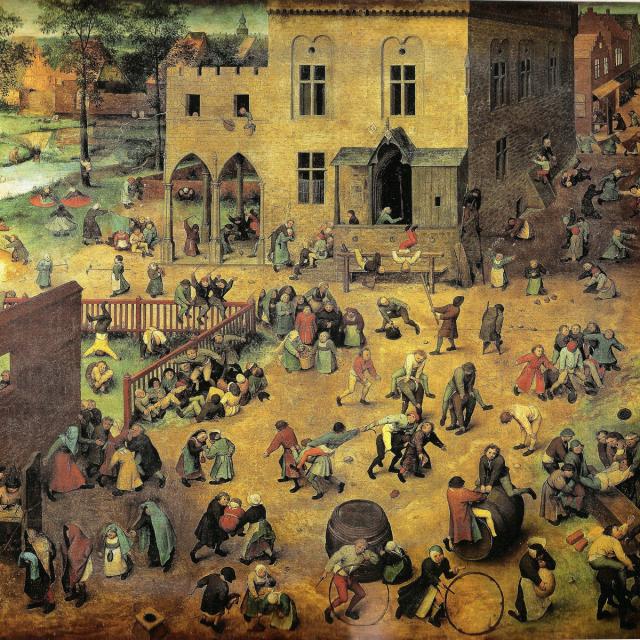
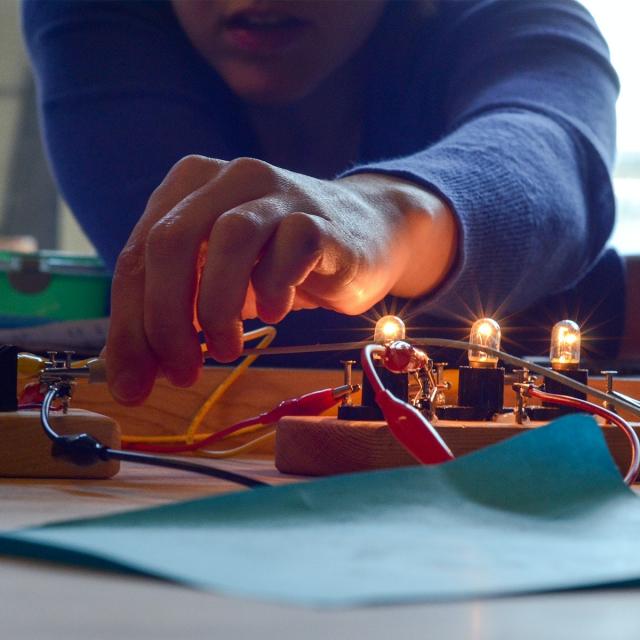
Play has long been an essential tool for learning. Philosophers, biologists, educators and psychologists alike have tried to investigate, understand and explain the roots and purpose of this universal activity. Whether no-, low- or high-tech, games are problem-solving activities approached with a playful attitude, making them a great way to engage and excite students. In this course teachers will discover the educational benefits of play, explore ways of using games in the classroom, and learn how to help students create games. In short, the course will unlock the power of play and potential of gaming.
Many teachers at some point in their career will have taught a class with the JNI (‘Just-Not-Interested’) syndrome. Games are problem-solving activities approached with a playful attitude, making them great ways to engage and excite students. Both playing and creating games – whether, no-, low- or high-tech – results in deeper learning and development of various skills when used for educational purposes.
As technological developments brought many changes in the playtime and game creation, costs or ambiguities about the educational value might lead to hesitation. Also, different management of the class during game based learning may make teachers reluctant to integrate it into their teaching.
In five modules, the course unlocks the power of play and potential of games in education. After an introduction into the history and pedagogical benefits of play, the course explores ways of using games in the classroom and focuses on gamification techniques that may be integrated in regular lessons. Also, the course showcases some tools for game development and ways to help students learn while creating games.