Key Principles of Palliative Care (FutureLearn)

Key Principles of Palliative Care (FutureLearn)

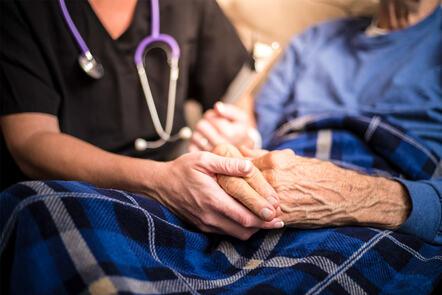
Learn about the fundamentals of palliative care and implement your knowledge and skills to improve the lives of your patients. Discover the global need for palliative care and trained caregivers. Palliative care is a form of medical care for those suffering from serious illnesses. This specialised medical care is essential for hundreds of thousands of patients all over the globe.

Class Deals by MOOC List - Click here and see FutureLearn's Active Discounts, Deals, and Promo Codes.

This three-week course from the University of the West Indies will provide you with a comprehensive overview of palliative care to help you provide attentive and holistic care for your patients.

Learn to recognise and treat symptoms with compassionate pain management
Care for serious illness is concentrated on managing the symptoms experienced by patients. You’ll learn to identify common symptoms of nausea, respiratory difficulty, and fatigue to assess and treat them accordingly.
With the skills you develop on this course, you’ll be equipped to provide your patients with relief from their pain and the burden of long-term illness.

Develop your communication skills to manage conversations about grief and loss
Grief and loss are unfortunate and sad realities of life-threatening illnesses. Many people, despite knowledge of their situation, struggle deeply with acknowledging matters of mortality.
With training from the healthcare specialists at the University of the West Indies, you’ll develop tactful communication skills and language to handle difficult conversations and assist your patients and their families with their coping process.

Improve the quality of life of your patients and their families
One of the outcomes of serious illness is its effect on mental health. With the expertise of the educators on this course, you’ll be equipped with the skills you need to ease not only physical pain but the emotional symptoms associated with it.
Once you have completed this course, you’ll be empowered to improve the quality of life of your patients and their loved ones.

Syllabus

Week 1: Understanding Palliative Care
Week 2: Managing Symptoms
Week 3: Necessary and Meaningful Conversations

What will you achieve?
By the end of the course, you‘ll be able to...

  • Justify the need for palliative care globally
  • Assess the symptoms of pain, nausea and vomiting and dyspnea in a palliative care context
  • Outline the scope of palliative care
  • Identify their role as palliative care advocates in their own context
  • Apply basic therapeutic communication skills to create safe communication environments for palliative care patients
  • Describe the role of silence in conversations

Who is the course for?
This course is designed for general and specialised healthcare professionals and informal caregivers involved or interested in providing care to loved ones with life-threatening illnesses.
It can also be used to grow palliative care human resources and elderly caretaking training.

Go to Class
MOOC List is learner-supported. When you buy through links on our site, we may earn an affiliate commission.

Related Courses

Achieving Sustainable Development (FutureLearn) FutureLearn
Trinity College Dublin

Achieving Sustainable Development (FutureLearn)

Explore the challenges of sustainable development. See the impact of UN Sustainable Development Goals on real people. Consider the impact that UN Sustainable Development Goals could have. Governments of the world have signed up to the Sustainable Development Goals (SDGs), a UN initiative for international development. They are targets for improving the world by 2030, including: health, environment, education, and security. But will they have an impact on the lives of people?

Self Paced
4 Weeks
Challenges in Antibiotic Resistance: Gram Negative Bacteria (FutureLearn) FutureLearn
British Society for Antimicrobial Chemotherapy - BSAC

Challenges in Antibiotic Resistance: Gram Negative Bacteria (FutureLearn)

This course by BSAC is for healthcare professionals managing infections. You will learn about Gram Negative Bacteria. Identify, diagnose and treat gram negative bacterial infections. Gram negative bacteria (GNB) are a group of bacteria that can cause infection and toxic reaction in patients, yet are difficult to differentiate and treat with antibiotics due to their structure.

Self Paced
3 Weeks
Causes of Human Disease: Exploring Cancer and Genetic Disease (FutureLearn) FutureLearn
University of Leeds

Causes of Human Disease: Exploring Cancer and Genetic Disease (FutureLearn)

Explore how the unravelling of genetic code has led to a deeper understanding of genetic diseases and cancer. It’s widely known that some diseases run in families. The discovery of the structure of DNA and the unravelling of the genetic code has led to a deeper understanding of such diseases. We now know more about the genetic basis of cancer and how cancer cells are formed and reproduce. On this course you’ll explore the structure of DNA, its processes and learn how genetic disease results from DNA alterations.

Self Paced
2 Weeks
Understanding Autism (FutureLearn) FutureLearn
University of Kent

Understanding Autism (FutureLearn)

Understand more about autism, including diagnosis, the autistic spectrum and life with autism, with this online course. First identified over 70 years ago, autism is a lifelong developmental disability affecting how a person communicates with and relates to others, and how they make sense of the world. It is a spectrum condition; all people on the spectrum share certain difficulties, but their condition will affect them in different ways.

Self Paced
4 Weeks
Liver Disease: Looking After Your Liver (FutureLearn) FutureLearn
University of Birmingham

Liver Disease: Looking After Your Liver (FutureLearn)

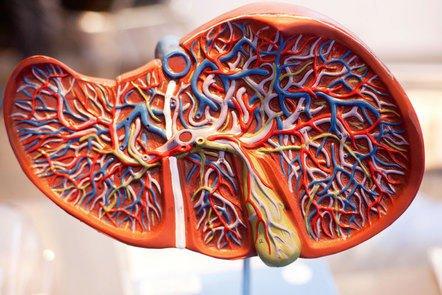
Learn about how your liver works, ways to look after it and how liver damage is caused, studied and treated around the world. We are currently experiencing an international explosion of liver disease that continues to have enormous impact upon healthcare systems and global health. In the UK we have seen a 20% increase in deaths related to liver disease since 2000 and this pattern reflects the global situation.

Self Paced
3 Weeks
Causes of Human Disease: Understanding Causes of Disease (FutureLearn) FutureLearn
University of Leeds

Causes of Human Disease: Understanding Causes of Disease (FutureLearn)

Learn the epidemiological methods used to understand the causes of diseases and how social factors influence their development. What causes human disease? Why do some people get a disease but others don’t? Through this course, you’ll learn how epidemiologists are helping to find answers to these complex questions and how the health of a population is measured and analysed.

Self Paced
2 Weeks
Improving Healthcare Through Clinical Research (FutureLearn) FutureLearn
University of Leeds

Improving Healthcare Through Clinical Research (FutureLearn)

On this free online course, find out how medical treatments are discovered, tested and evaluated to improve healthcare for all. Everything we do in healthcare has to be discovered and thoroughly tested before it can be put into practice. In this course you will explore clinical research – its challenges and its huge benefits to modern healthcare.

Self Paced
4 Weeks
Health and Wellbeing in the Ancient World (FutureLearn) FutureLearn
The Open University

Health and Wellbeing in the Ancient World (FutureLearn)

Use literary and archaeological evidence to see how ancient Greeks and Romans approached health, well-being and societal issues. What did being healthy in ancient Rome or Greece look like? How can we tell what well-being meant in ancient times? This online course will help you investigate these questions, using both literary and archaeological evidence, to uncover details of real life in ancient societies.

Self Paced
5-12 Weeks
Improving Health Assessments for People with an Intellectual Disability (FutureLearn) FutureLearn
Trinity College Dublin,EIT Health

Improving Health Assessments for People with an Intellectual Disability (FutureLearn)

Learn how to improve healthcare for people with intellectual disabilities with this course for healthcare professionals. Detecting poor health and supporting people with an intellectual disability in managing their health can be challenging for healthcare professionals. During this course, you will gain valuable knowledge that you can transfer into your daily practice on how to include people with an intellectual disability in health assessments.

Self Paced
3 Weeks
Clinical Bioinformatics: Unlocking Genomics in Healthcare (FutureLearn) FutureLearn
University of Manchester

Clinical Bioinformatics: Unlocking Genomics in Healthcare (FutureLearn)

Learn about the role of clinical bioinformaticians in healthcare and how their work is helping to realise the genomics revolution. This free online course aims to raise awareness amongst healthcare professionals of the role of Clinical Bioinformatics and Genomics in healthcare today.

Self Paced
5-12 Weeks
Biochemistry: the Molecules of Life (FutureLearn) FutureLearn
University of East Anglia

Biochemistry: the Molecules of Life (FutureLearn)

Explore the impact of biochemistry on bioenergy and health, discovering why graduates are in demand; with the Biochemical Society. Biochemistry brings together all of the sciences to study the chemical and physical processes that occur in living organisms. It truly is the science of life. As a scientific discipline in its own right, biochemistry has a major impact on all areas of the life sciences and biochemists are in high demand among employers.

Self Paced
3 Weeks
Understanding Insulin (FutureLearn) FutureLearn
University of Southampton

Understanding Insulin (FutureLearn)

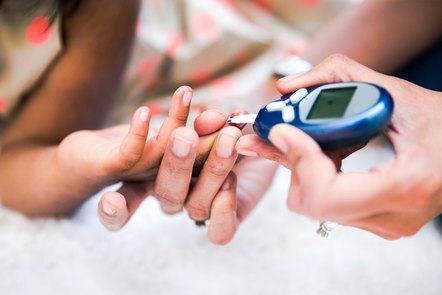
Learn more about all things insulin: from how it works, to insulin types, to side effects and guidance on how to prescribe safely. The current spend on diabetes care by the NHS is estimated to be £1.6 million pounds per hour. 80% of this is spent on managing diabetes complications, the risk of which can be significantly reduced through effective blood glucose control using insulin.

Self Paced
4 Weeks