Invisible Worlds: Understanding the Natural Environment (FutureLearn)

Invisible Worlds: Understanding the Natural Environment (FutureLearn)

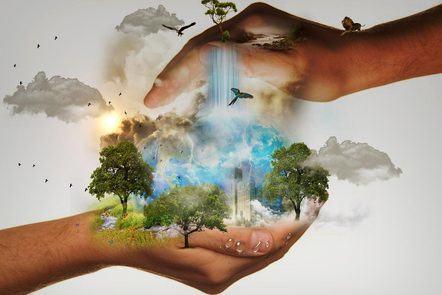
Explore the connection between life and the Earth's invisible systems and gain new insights into the natural environment. Discover Earth's invisible systems and transform your understanding of the world. Given the current climate emergency, it’s increasingly important that we have a good understanding of Earth’s life support systems. We rely on these systems for fresh air, clean water, fertile soil, rich biodiversity and a stable climate. On this course, you’ll explore the natural systems we can’t see or feel, from microscopic creatures to gases.

Class Deals by MOOC List - Click here and see FutureLearn's Active Discounts, Deals, and Promo Codes.

You’ll discover how life is shaped by and shapes these invisible worlds and explore the evolution of these systems and the impact humans have on it. As you explore the interconnectedness of everything, you’ll transform your understanding of the world.

What topics will you cover?

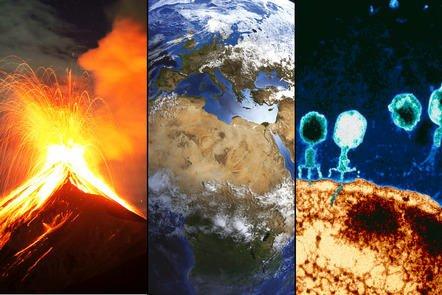
  • Past Invisible: A time so long ago it’s hard to imagine: the evolution of the Earth’s life support system; the products and processes that are necessary for maintaining life.
  • Vast Invisible: Natural systems and cycles (carbon, nitrogen, phosphate) so massive we can’t feel them: the bigger picture and you in the bigger picture.
  • Small Invisible: Creatures so small we can’t see them: minions or masters of the universe? See how the smallest things underpin the biggest things; the life support systems.
  • The Anthropocene era/effect: Since the small things have such a significant influence on the life support system, you won’t be surprised to see the huge effects we have had.
  • Interconnections: The interconnectedness between life and the Earth’s environments at all scales.

What will you achieve?
By the end of the course, you'll be able to...

  • Describe the fundamental science of the invisible worlds
  • Understand how everything on Earth is interconnected
  • Understand the past: the evolution of the planet and our life support system
  • See yourself within the vast: the planetary cycles that we depend on
  • Respect the small: the microbes that built and maintain the life support system
  • Discuss human effects, and how to work towards a positive future
  • Discuss the role played by art and exhibitions in science communication
Go to Class
MOOC List is learner-supported. When you buy through links on our site, we may earn an affiliate commission.

Related Courses

Environmental Challenges: Hierarchy in Property Rights (FutureLearn) FutureLearn
University of Leeds

Environmental Challenges: Hierarchy in Property Rights (FutureLearn)

How does language help us develop our relationship with nature and determine the rights of access and ownership? Increasing populations and social changes are pressurising our relationship with the environment. Property rights are embedded in power structures and land management. This course explores the different ways that nature is perceived by different types of societies and the impact of property rights on natural resource management.

Oct 28th 2024
2 Weeks
Snow: What It Is and Why It Matters (FutureLearn) FutureLearn
Luleå University of Technology

Snow: What It Is and Why It Matters (FutureLearn)

Explore the science of snow – how it forms, its different types, and how it can best be used. Learn all about snow from cold weather experts in Sweden. Snow can affect every aspect of life, from transport systems to business operations; that’s why it’s crucial to understand what exactly snow is, how it forms, and how we can manage it.

Oct 25th 2021
2 Weeks
Environmental Challenges: Scarcity and Conflict in the Natural Environment (FutureLearn) FutureLearn
University of Leeds

Environmental Challenges: Scarcity and Conflict in the Natural Environment (FutureLearn)

War and conflict can severely disrupt the governance of the environment. What is the impact on both people and the environment? This course explores three aspects of conflict and resource scarcity, and applies these to explore decision making and negotiation skills. Human conflict has both short and long term effects on the natural world.

Nov 25th 2024
2 Weeks
Environmental Challenges: Rights and Values in Ecosystem Services (FutureLearn) FutureLearn
University of Leeds

Environmental Challenges: Rights and Values in Ecosystem Services (FutureLearn)

Differences in values can create conflict. How can we learn to manage our natural resources with integrity? Humans are very innovative, but we’ve also created many ecological problems. We’ve changed the face of the planet, fished the oceans, and we’re causing climate change through emissions. Designing institutional arrangements that recognise ecosystem services in the values we place upon natural systems will be an important way to help governing the planet, for both present and future generations.

Feb 12th 2024
2 Weeks
Virtual Work Experience and Exploring the Veterinary Profession (FutureLearn) FutureLearn
The University of Nottingham

Virtual Work Experience and Exploring the Veterinary Profession (FutureLearn)

Learn what it takes to become a vet and explore the challenges of the vet profession to decide if it's the right career for you. Get virtual vet work experience before embarking on a veterinary degree. The COVID-19 pandemic means that many potential vet students cannot undertake animal handling work experience. On this course, you’ll get insight into the reality of life as a vet so that you can make an informed decision before embarking on a veterinary degree course.

Feb 1st 2021
2 Weeks
Discovering Science: Atmospheric Chemistry (FutureLearn) FutureLearn
University of Leeds

Discovering Science: Atmospheric Chemistry (FutureLearn)

What can we learn about Earth, and other planets in and beyond our solar system, by studying their atmospheres? Learn about the role that radiation and greenhouse gases play in our understanding of atmospheric chemistry. As levels of CO2 in the atmosphere increase, you will discover the solutions scientists are exploring to reduce levels. And discover how missions to other planets and moons in our solar system are revealing extraordinarily diverse atmospheres.

Sep 23rd 2024
2 Weeks
Humphry Davy: Laughing Gas, Literature, and the Lamp (FutureLearn) FutureLearn
Lancaster University,Royal Institution - RI

Humphry Davy: Laughing Gas, Literature, and the Lamp (FutureLearn)

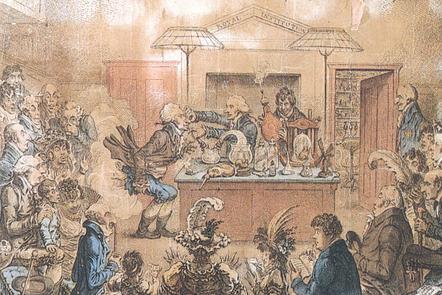
Discover Humphry Davy and his contribution to science and the arts. Before culture was divided into the sciences and the arts there was a chemist who was also a poet. Sir Humphry Davy (1778-1829) is one of the best known men of science of the nineteenth century: he was the first person to inhale nitrous oxide; he isolated nine chemical elements; and he invented the miners’ safety lamp known as the Davy lamp. This course will consider Davy’s life and career using manuscript sources held at the Royal Institution of Great Britain.

Oct 9th 2023
4 Weeks
Bushfires: Response, Relief and Resilience (FutureLearn) FutureLearn
The University of Newcastle, Australia

Bushfires: Response, Relief and Resilience (FutureLearn)

Discover strategies in preparing for, responding to and recovering from bushfire natural disasters from the world's leading minds. This course is significant for individuals and the public interested in gaining knowledge about reducing their vulnerability to bushfires, effective coping strategies in the aftermath of a bushfire event and building resilience in the face of future disasters.

Aug 24th 2020
3 Weeks
Ecology and Wildlife Conservation (FutureLearn) FutureLearn
University of Leeds

Ecology and Wildlife Conservation (FutureLearn)

Discover ecology and how we can protect wildlife and conserve the natural world. Do you worry about the effects of climate change on nature? This course will show you how the work of conservation biologists and study of ecosystems can help with conserving the world’s biodiversity. You’ll explore the impact that the presence of wind farms on populations of seabirds and understand how the use of advanced techniques can be used to study different populations.

Jun 29th 2026
2 Weeks
One Health: Connecting Humans, Animals and the Environment (FutureLearn) FutureLearn
University of Basel

One Health: Connecting Humans, Animals and the Environment (FutureLearn)

BBecome familiar with One Health, a promising concept, and the effective solutions it provides for urgent health problems. Expand how you address health issues, learning from top One Health experts. In today’s globalised world, old diseases persist and new illnesses spread faster than ever thanks to interconnected ecosystems and the close ties between humans and animals.

Oct 9th 2023
5-12 Weeks