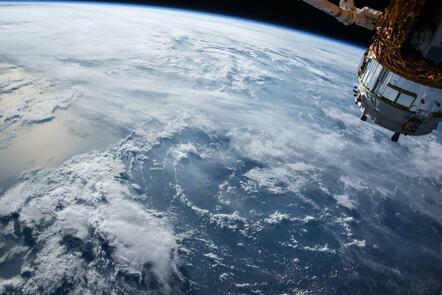
Find out how the Earth is observed by hundreds of satellites, how they do it, and what this means for the future. Gain insight into how satellite data is used to monitor the Earth. There are now over 600 satellites observing the Earth, with hundreds more to be launched over the next decade.
Class Deals by MOOC List - Click here and see FutureLearn's Active Discounts, Deals, and Promo Codes.
Over this 4-week course, you will learn how satellite data informs our understanding of the natural environment and the impact of human development, finding out about different sensors that are carried by satellites and how they orbit the earth to detect changes to the planet.
Discover easy to use tools to view and analyse images
Using a powerful new web tool, Earth Blox, you will be able to explore satellite data from anywhere on Earth. You will use this to learn how satellite data is used to monitor Earth, from uncovering information about climate change to how global deforestation is measured and the effects of pollution.
Discover the satellite applications in weather, climate, and environmental change
With the advancement of satellite imagery and orbit coverage, we can now measure a wide range of physical attributes of the Earth system from space.
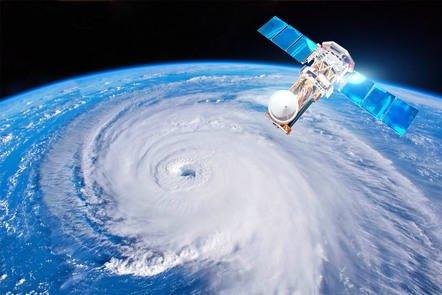
This course will guide you through how the weather is monitored from space, as well as how the oceans, atmosphere, and pollution are measured. You’ll also dive into the cryosphere and biosphere of Earth and discover how these are viewed, monitored, and measured using satellite data.
Learn from Earth Observation experts at Edinburgh University
Edinburgh University is one of the preeminent Higher Education Institutes for Earth Observation (EO) in the UK. Not only are they are a member of the National Centre for EO, but their staff are involved in international space missions, world-class EO research, and creating new companies.
What topics will you cover?
- Learn about the different sensors that are carried by satellites, how they orbit the Earth, and how they utilise subtle differences in light from the surface and the atmosphere to detect the changes on the Earth.
- Discuss the ethical implications of collecting finely detailed images from space — how does that impact on privacy? How does it disadvantage countries without their own satellites?
- Find out about the importance of oceans and atmosphere in the Earth system, and how satellites can measure them.
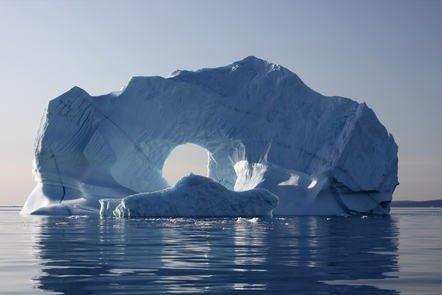
- See how space radar can detect and measure the size of ice breaking off from Antarctica, or the loss of forests in the tropics. See how satellite images change as crops grow on the ground.
- Learn how satellites can be used to measure the impact of humans on the planet, including pollution and climate change.
- See how earthquakes can be measured from space.
Learning on this course
You can take this self-guided course and learn at your own pace. On every step of the course you can meet other learners, share your ideas and join in with active discussions in the comments.
What will you achieve?
By the end of the course, you‘ll be able to...
- Understand the main methods by which satellite data collected.
- Identify the key limitations on satellite data for observing Earth.
- Explore the wider context of the ethical and policy implications of being able to observe the Earth from space.
- Evaluate the wide range of physical attributes of the Earth system that are measurable from space.
- Explore new and archived Earth observation data from satellites, using Earth Blox.
Who is the course for?
- This course is designed for anyone interested in earth observation and the applications of satellite imagery.
- It will be especially useful for anyone working in businesses related to the space sector, or for students wanting to explore the topic before choosing further study and a career pathway.
- The development of this course was funded by the UK Space Agency and ESA.
What software or tools do you need?
This course relies on learners using EarthBlox™ software in order to successfully complete the course. You will get the best experience using a laptop or desktop computer, rather than a mobile device with a smaller screen.