Introduction to Translational Science (Coursera)

Introduction to Translational Science (Coursera)

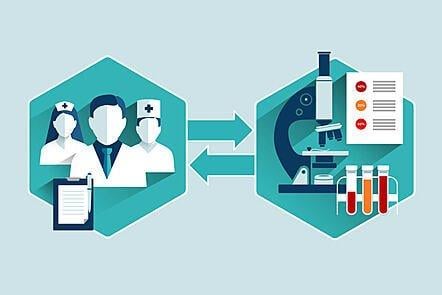
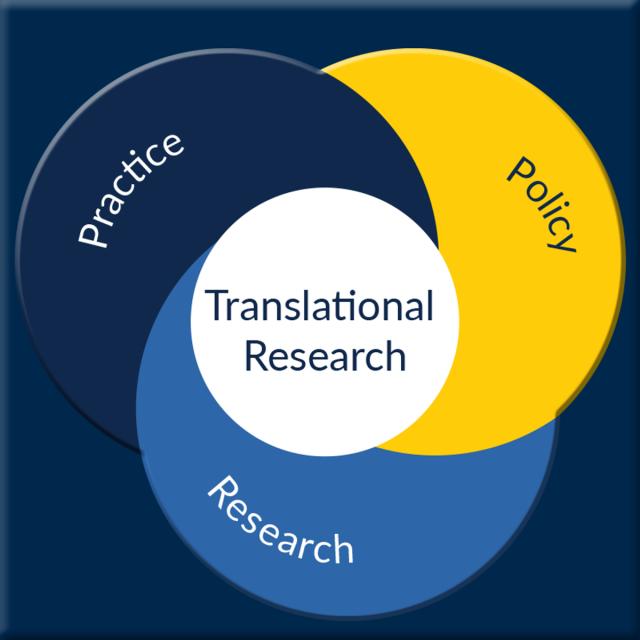
Translational science is the process of turning observations in the laboratory, clinic, and community into interventions that improve the health of individuals and populations. In this course, you’ll learn about the role of translational research in moving scientific discoveries into applications for improving human health.

Class Deals by MOOC List - Click here and see Coursera's Active Discounts, Deals, and Promo Codes.

With an understanding of the four stages of translational research, you’ll be able to assess team roles for each stage and explain the importance of rigorous research, responsible conduct of research, and the differences between them. Finally, you’ll learn about career opportunities within the in-demand field of translational research.
This is an ideal introduction for undergraduate or graduate students interested in the practical application of their research to improve the health of their community.
This is the first course of five in the “Translational Science” series.
Course 1 of 5 in the Translational Science Specialization.

Syllabus

WEEK 1
The Introduction to Translational Science course provides you with an overview of the spectrum of translational research. You will learn important terminology and concepts to use as you practice setting career goals for translational research. This week you will learn how to 1) define translational research and its role in moving scientific discoveries into applications for improving human health, 2) list the stages of translational research and describe specific examples of research conducted at each stage.

WEEK 2
Welcome to Week 2 of Introduction to Translational Science. This week you will learn how to 1) name the seven fundamental characteristics of a translational scientist, 2) identify team roles for research conducted in each stage of translational science, and 3) explain the importance of rigorous research.

WEEK 3
Welcome to Week 3 of Introduction to Translational Science. This week you will learn how to... 1) understand the importance of diversity in assembling your research team, 2) explain the importance of mentoring in conducting translational research.

WEEK 4
Welcome to Week 4 of Introduction to Translational Science. This week you will learn how to 1) give examples of strategies to address issues related to health disparities and inequities in translational research, 2) identify career opportunities in translational research.

Go to Class
MOOC List is learner-supported. When you buy through links on our site, we may earn an affiliate commission.

Related Courses

Translating Research to Communities (Coursera) Coursera
University of Michigan

Translating Research to Communities (Coursera)

Health research must positively impact the lives of the general population, so the public must receive and interpret research findings in a meaningful way. That is why translating research discoveries into practice is an important phase of the translational research spectrum. In this course, you’ll gain an introduction to the concepts of population health research and the ethical use of data science to drive advances in human health.

Jun 22nd 2026
3 Weeks
Training and Learning Programs for Volunteer Community Health Workers (Coursera) Coursera
Johns Hopkins University

Training and Learning Programs for Volunteer Community Health Workers (Coursera)

Volunteer community health workers (CHWs) are a major strategy for increasing access to and coverage of basic health interventions. Our village health worker training course reviews the process of training and continuing education of CHWs as an important component of involving communities in their own health service delivery. Participants will be guided through the steps of planning training and continuing education activities for village volunteers. The course draws on real-life examples from community-directed onchocerciasis control, village health worker programs, community case management efforts, peer educators programs and patent medicine vendor training programs, to name a few.

Jun 22nd 2026
5-12 Weeks
Introduction to Translational Research: Connecting Scientists and Medical Doctors (FutureLearn) FutureLearn
Taipei Medical University

Introduction to Translational Research: Connecting Scientists and Medical Doctors (FutureLearn)

Understand the emerging discipline of translational medicine and the process of taking research from ‘benchside’ to ‘bedside'. Translational medicine, also known as translational science or translational research, is a new, growing discipline in medicine that aims to ensure research flows from ‘benchside’ to ‘bedside’.

Available now
5-12 Weeks
Genomic Medicine and Research: A Community Approach (FutureLearn) FutureLearn
University of Exeter

Genomic Medicine and Research: A Community Approach (FutureLearn)

Learn how translational research in genomics can deliver health, social, and scientific benefits to communities. Explore the benefits of a community approach to genomic medicine and research. On this course, you will explore the skills needed for translational research work and understand the meaning of community genetics. You will also learn the value of whole genome sequencing in the community context and the importance of community-specific medical research to patients.

Available now
3 Weeks
An Introduction to the U.S. Food System: Perspectives from Public Health (Coursera) Coursera
Johns Hopkins University

An Introduction to the U.S. Food System: Perspectives from Public Health (Coursera)

A food system encompasses the activities, people and resources involved in getting food from field to plate. Along the way, it intersects with aspects of public health, equity and the environment. In this course, we will provide a brief introduction to the U.S. food system and how food production practices and what we choose to eat impacts the world in which we live. Through several case studies, we will discuss some key historical and political factors that have helped shape the current food system and consider alternative approaches from farm to fork.

Jun 22nd 2026
5-12 Weeks
Career 911: Your Future Job in Medicine and Healthcare (Coursera) Coursera
Northwestern University

Career 911: Your Future Job in Medicine and Healthcare (Coursera)

This course aims to help high school students, recent graduates, and those considering career transitions explore health care career options and learn strategies for entry into the health care workforce and health related fields. There are lots of amazing job opportunities in medicine and healthcare! Join us, as we share the strategies and secrets for getting those jobs.

Jun 22nd 2026
5-12 Weeks
Child Nutrition and Cooking (Coursera) Coursera
Stanford University

Child Nutrition and Cooking (Coursera)

Eating patterns that begin in childhood affect health and well-being across the lifespan. The culture of eating has changed significantly in recent decades, especially in parts of the world where processed foods dominate our dietary intake. This course examines contemporary child nutrition and the impact of the individual decisions made by each family.

Jun 22nd 2026
5-12 Weeks
Epidemics - the Dynamics of Infectious Diseases (Coursera) Coursera
Pennsylvania State University

Epidemics - the Dynamics of Infectious Diseases (Coursera)

Not so long ago, it was almost guaranteed that you would die of an infectious disease. In fact, had you been born just 150 years ago, your chances of dying of an infectious disease before you've reached the tender age of 5 would have been extremely high. Since then, science has come a long way in understanding infectious diseases - what they are, how they spread, and how they can be prevented. But diseases like HIV/AIDS, Malaria, Tuberculosis, or the flu are still major killers worldwide, and novel emerging diseases are a constant threat to public health. In addition, the bugs are evolving. Antibiotics, our most potent weapon against bacterial infections, are losing their power because the bacteria are becoming resistant. In this course, we'll explore the major themes of infectious diseases dynamics.

Jun 22nd 2026
5-12 Weeks
Data Management for Clinical Research (Coursera) Coursera
Vanderbilt University

Data Management for Clinical Research (Coursera)

This course presents critical concepts and practical methods to support planning, collection, storage, and dissemination of data in clinical research. Understanding and implementing solid data management principles is critical for any scientific domain. Regardless of your current (or anticipated) role in the research enterprise, a strong working knowledge and skill set in data management principles and practice will increase your productivity and improve your science. Our goal is to use these modules to help you learn and practice this skill set.

Jun 22nd 2026
5-12 Weeks
Preventing Chronic Pain: A Human Systems Approach (Coursera) Coursera
University of Minnesota

Preventing Chronic Pain: A Human Systems Approach (Coursera)

Chronic pain is at epidemic levels and has become the highest-cost condition in health care. This course uses both creative and experiential learning to better understand chronic pain conditions and how they can be prevented through self-management in our cognitive, behavioral, physical, emotional, spiritual, social, and environmental realms.

Jun 22nd 2026
5-12 Weeks
Public Involvement in Research (Coursera) Coursera
Imperial College London

Public Involvement in Research (Coursera)

This course focuses on participatory approaches in research, known as 'public involvement' in the UK. You'll specifically, consider why citizens and patients would be involved in research and explore participatory approaches across and within the research cycle in more detail, diving into questions such as: What kinds of participation can be undertaken at each of the 7 stages of the cycle? How can you utilise participation in research? What examples of using participatory approaches exist in research?

Jun 24th 2026
4 Weeks