DevOps skills are in demand! DevOps skills are expected to be one of the fastest-growing skills in the workforce. This course can be a first step in obtaining those skills. Introduction to DevOps explores DevOps as a cultural movement, including building a business case for DevOps, the essentials of DevOps, and a brief history of DevOps. You will learn new ways of thinking, working, organizing, and measuring to fully gain the benefits of DevOps.
Class Deals by MOOC List - Click here and see Coursera's Active Discounts, Deals, and Promo Codes.
You will learn how breaking down silos and organizing developers and operators into single cross-functional teams is necessary for truly adopting DevOps. Having everyone contributing and everyone being responsible for success is at the heart of DevOps.
By thinking from a DevOps perspective, you will be able to build better products for your customer. You will view DevOps from a business perspective as well as for becoming a DevOps practitioner. You will see how building a culture of shared responsibility and transparency is the foundation of every high-performing DevOps teams.
You will have an opportunity to explore the concepts of infrastructure for Continuous Integration and Continuous Delivery. You will be able to use actionable measures that apply directly to decision-making and will ultimately result in continuous improvement. This course is designed for those new to DevOps as well as those looking to increase their current knowledge of DevOps.
Course 1 of 3 in the DevOps, Cloud, and Agile Foundations Specialization.
What You Will Learn
- The essential characteristics of DevOps including building a culture of shared responsibility, transparency, and embracing failure.
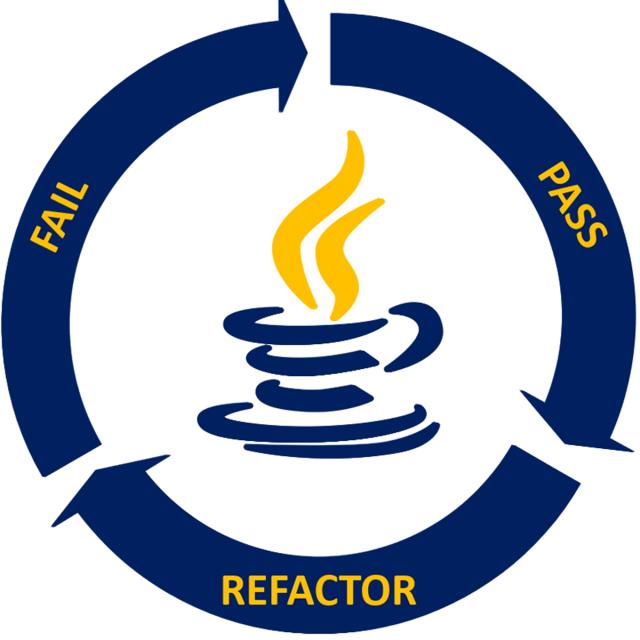
- The importance of Continuous Integration and Continuous Delivery, Infrastructure as Code, Test Driven Development, BehaviorDriven Development.
- Essential DevOps concepts: software engineering practices, cloud native microservices, automated continuous deployments, and building resilient code.
- The organizational impact of DevOps, including breaking down silos, working in cross functional teams, and sharing responsibilities.
Syllabus
WEEK 1
Overview of DevOps
In this module, you will learn how business models are disrupted by innovation and that technology is the enabler of innovation, rather than the driver of innovation. You will learn that DevOps is more than simply the Dev team and the Ops team working together. It is a cultural change. You will be introduced to the essential characteristics of DevOps. Through a brief history of DevOps, you will see how DevOps grew as a grassroots movement and that influential people helped others see that DevOps is a better way to work.
WEEK 2
Thinking DevOps
This module is all about thinking DevOps and getting results! You will learn how social coding as a community creates better code. You will examine how creating shared repositories and pair programming results in defects found earlier and a broader understanding of the code base for the team. You will see how working in small batches reduces waste and results in delivering useful applications quickly. You will discover how producing a minimum viable product allows you to test a hypothesis and gain valuable feedback about delivering what the customer really desires. Test driven development will allow you to develop faster and with more confidence. Behavior driven development results in improved communication and more meaningful information from your stakeholders. You will learn how cloud native architecture is used to build resilience in your product and take advantage of horizontal scaling and independently deployable microservices. Failures will happen. You will be able to take advantage of tools that are designed to help you recover quickly from failures.
WEEK 3
Working DevOps
This module is all about working using DevOps principles and techniques. You will learn how software development is more like craftwork than factory work and that working in silos leads to mistakes and bottlenecks. You will see how DevOps is driven by behaviors such as collaboration and embracing change. You will be introduced to concepts such as ephemeral infrastructure that emphasizes building quickly and then discarding when that build is no longer needed. You will learn a more effective style of work in which you make changes to container images and redeploy a new container to take its place instead of patching and maintaining it. You will learn about new processes such Continuous Integration and Continuous Delivery that enable frequent deployments and working as a team to create high-quality code. You will learn how to move faster, use automation, and spend more time building features and less time debugging during integrations.
WEEK 4
Organizing for DevOps
This module is all about organizing for DevOps. You will learn about the organizational impact of DevOps, how DevOps teams are structured, and the importance of everyone being responsible for success. You will discover the optimal organization for DevOps teams. You will review a variety of perspectives on DevOps and explore misconceptions about DevOps. This module addresses the importance of consequences, that is, allowing teams to feel the consequences of their actions on others who are involved in the work. You will see how a shared mindset empowers everyone to deliver customer value.
Measuring DevOps
This module is all about measurements for DevOps. You will learn the importance of measuring what matters, such as social metrics and continuous improvement goals. You will see how measuring social metrics leads to improved teamwork and how measuring DevOps metrics allows you to see progress toward your goals. You will discover that actionable metrics help you take action toward your desired outcome. One of the key aspects of DevOps is creating a blameless culture. Measuring culture is critical for building a culture in which ideas flow openly and people are listened to. You will learn how that type of working culture can be created. You will see the disadvantages of rewarding one behavior while hoping for a different behavior.