Introduction to Breast Cancer (Coursera)

Offered by Yale University,
Introduction to Breast Cancer (Coursera)

Welcome to an Introduction to Breast Cancer! In this course, we’ll learn a bit about the leading cause of cancer in women worldwide – from the basic biology of the disease, to risk factors and prevention, to treatment modalities to survivorship. We’ll talk to leading experts, explore some of the milestone studies that have pushed this field forward, and have interactive discussions on discussion boards and social media. You’ll even have an opportunity to let us know what topics you want to cover on tweetchats, so we can try to make the content fit your interests.

Class Deals by MOOC List - Click here and see Coursera's Active Discounts, Deals, and Promo Codes.

There is something in this course for everyone – if you’re a breast cancer survivor or the friend/family member of someone with this disease, this course will help you to better understand this disease, and give you ideas for questions you may want to ask your doctor. Maybe you’re a healthcare provider or studying to be the same, this course is a great refresher on where the state of the science is, and we may even be able to offer continuing medical education credits for completion. If you’re a healthcare administrator wondering about how the interdisciplinary components of breast cancer care fit together, or an entrepreneur thinking about unmet needs in this space, or someone in public health interested in prevention, this course is also for you!
Are you ready to learn a lot, and have some fun while we’re at it? If so, I hope you’ll join us! Let’s get started!!!

Syllabus

WEEK 1
Welcome to the Course!

WEEK 2
Risks and Prevention
Join me as we start to learn about what breast cancer is, the epidemiology of this disease and the risks associated with it. In these lectures, we’ll talk about genetic mutations that predispose us to developing breast cancer. As you’ll find out, this goes far beyond just BRCA!

WEEK 3
Under the Microscope
What is cancer and how does it work? Want to learn the fundamentals of what breast cancer is? The different “types” – what is in situ vs. invasive? What is lobular vs. ductal? What is grade vs. stage? And what do molecular subtypes refer to? Well, tune in! Learn about the hallmarks of cancer – what are the processes that actually lead to this disease? Maybe this will give you some ideas about how we can stop cancers in their tracks!

WEEK 4
Making the Diagnosis
Want to learn more about how to find breast cancers early, when they’re most treatable? This is the lecture for you! “Tissue is the issue” – learn how we actually do the biopsies to make the diagnosis of breast cancer. How do we stage breast cancer? Learn what tests we need to do and in whom in order to get this information!

WEEK 5
All About Surgery
How do we actually remove breast cancer? Is a lumpectomy just as good as a mastectomy? Find out in this session. There are many different options for reconstructing a breast after a mastectomy – from tissue expanders and implants, to using your own tissue. In this talk, we’ll explore some of these options. Why do we take out lymph nodes, and how? What are the side effects? Learn more about this in this session! Do you have questions about lymphedema? How do you prevent it? Can/should you lift weights after a lymph node dissection? Should you wear a sleeve if you are going on a plane? What about shaving, hand surgery, and having an iv placed? We’ll answer all of these questions in this session.

WEEK 6
Beyond the Knife
Learn all about radiation therapy – who needs it, when, what are the different types, and how do we minimize side effects. Who needs chemotherapy? What about hormonal therapy? What is targeted therapy? We’ll learn all about the drugs we use to treat breast cancer in this session.

WEEK 7
Potpurri
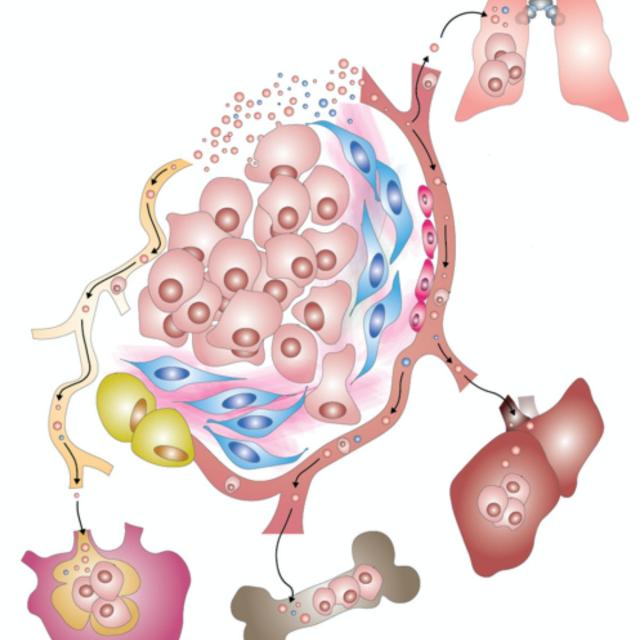
Not all breast cancers are the same. Let’s learn a bit more about inflammatory breast cancer, Paget’s disease, Male breast cancer, breast cancer in pregnancy and metastatic disease. Let’s talk all about clinical trials – what they are, how they are monitored, and some of the trials that have really moved the field forward. So, you or your patients have gotten through diagnosis and active treatment, and you’re now in the survivorship period. Great! But this poses a whole new set of issues as people adjust to their “new normal”. Learn about what these issues are, and a bit about survivorship care plans as well.

Go to Class
MOOC List is learner-supported. When you buy through links on our site, we may earn an affiliate commission.

Related Courses

The Oral Cavity: Portal to Health and Disease (Coursera) Coursera
University of Pennsylvania

The Oral Cavity: Portal to Health and Disease (Coursera)

This course will focus on the interprofessional realtionship of dentistry and medicine. For each session, the medical specialist will present a broad overview of specific disease entity which will be followed by a dental educator discussing the relevant oral manifestations and implications. The final module of each session will be devoted to the interaction between the dental and other health care professionals.

Sep 7th 2026
5-12 Weeks
HPV-Associated Oral and Throat Cancer: What You Need to Know (Coursera) Coursera
Icahn School of Medicine at Mount Sinai

HPV-Associated Oral and Throat Cancer: What You Need to Know (Coursera)

This course, offered by the Department of Otolaryngology – Head and Neck Surgery at the Icahn School of Medicine at Mount Sinai, is designed to inform primary care physicians and otolaryngologists (general and head and neck surgeons), as well as medical students, residents, nurses, physician assistants, medical assistants, about HPV-associated oral and throat cancers. It is also applicable to individuals who wish to broaden their knowledge and vernacular about this disease process, especially those who may have been diagnosed with HPV and/or HPV-associated oropharyngeal cancers.

Sep 14th 2026
5-12 Weeks
Interpreting Genomic Variation: Inherited Cancer Susceptibility (FutureLearn) FutureLearn
St George's, University of London,CanGene CanVar

Interpreting Genomic Variation: Inherited Cancer Susceptibility (FutureLearn)

Explore how robust variant interpretation is needed to support patients with increased risk of cancer. Explore germline variation in cancer susceptibility genes. Germline genomic variation can increase the risk of developing cancer. It’s essential to use the best evidence available to decide if a genomic variant is likely to increase the chance of a person developing cancer. This allows us to offer at-risk individuals access to appropriate screening, prevention, and personalised treatments.

Self Paced
2 Weeks
Menstruation in a Global Context: Addressing Policy and Practice (edX) EdX
Columbia University,ColumbiaX

Menstruation in a Global Context: Addressing Policy and Practice (edX)

Recently, menstruation has attracted attention as an important public health issue, resulting in the proliferation of new research, programs, and policies aimed at tackling menstrual health and hygiene (MHH) challenges faced by girls, women, and others who menstruate. Advocates are directly combating ongoing menstrual stigma and calling for an end to period poverty.

Self Paced
Self-Paced
Women’s Health (edX) EdX
George Washington University

Women’s Health (edX)

In this course learners will gain an understanding of women’s health issues across the lifespan. Going beyond the focus of reproductive health, learners explore important issues such as: Women and Relationships, Issues of Interpersonal Violence, Women and Mental Health, LGBTIA Health, and Women’s Aging.

Self Paced
Self-Paced
Cancer Prevention Web-Based Activity (Coursera) Coursera
University of Virginia

Cancer Prevention Web-Based Activity (Coursera)

This web-based video course focuses on the importance of prevention and risk reduction in decreasing cancer occurrences. All learners will need to watch the video modules, read associated articles, and achieve a passing score of 80% on quizzes in order to complete the course. After completing the course, learners will receive a link to claim continuing medical and nursing education credit.

Mar 18th 2024
1 Week
Kids with Cancer Still Need School: The Providers Role (Coursera) Coursera
Johns Hopkins University

Kids with Cancer Still Need School: The Providers Role (Coursera)

This course will help you understand and address the challenges parents and families face regarding schooling after a cancer diagnosis. When a child is diagnosed with cancer, families can be overwhelmed learning about and managing this new and frightening reality. As they adjust to the new normal of ongoing treatment, school may be the farthest thing from their mind. However, as their oncology health care provider, you have a critical role in starting conversations about schooling. Even for your youngest patients, it is important to talk with parents and caregivers about schooling issues early and often.

Aug 24th 2026
5-12 Weeks
Causes of Human Disease: Exploring Cancer and Genetic Disease (FutureLearn) FutureLearn
University of Leeds

Causes of Human Disease: Exploring Cancer and Genetic Disease (FutureLearn)

Explore how the unravelling of genetic code has led to a deeper understanding of genetic diseases and cancer. It’s widely known that some diseases run in families. The discovery of the structure of DNA and the unravelling of the genetic code has led to a deeper understanding of such diseases. We now know more about the genetic basis of cancer and how cancer cells are formed and reproduce. On this course you’ll explore the structure of DNA, its processes and learn how genetic disease results from DNA alterations.

Self Paced
2 Weeks
Lymphoedema: Monitoring & Intervention After Breast Cancer (Coursera) Coursera
Macquarie University

Lymphoedema: Monitoring & Intervention After Breast Cancer (Coursera)

Lymphoedema following breast cancer treatment is a poorly understood and under-researched condition which can significantly impact physical and psychological function, reduce quality of life and result in substantial cost burdens to both patients and the healthcare system. In these interactive modules we will cover an introduction to lymphoedema, lymphatic physiology and anatomy, assessment and treatment, as well as utilise case studies to understand the prospective surveillance and early intervention model of care in breast cancer rehabilitation.

Sep 7th 2026
4 Weeks
Digital Health for Cancer Management: Smart Health Technologies in Complex Diseases (FutureLearn) FutureLearn
Taipei Medical University

Digital Health for Cancer Management: Smart Health Technologies in Complex Diseases (FutureLearn)

Learn how new digital health technologies are transforming cancer management with this course for healthcare professionals. Recent advances in cancer treatment and management have lead to people with cancer living longer than ever before, now healthcare must begin to consider how to help people with cancer live healthily. On this course you will explore and discuss how new digital health technologies, like wearables, social media and home sensors, are starting to transform the management of cancer.

Self Paced
4 Weeks