Introducción a la Psicología (Coursera)

Offered by Universidad Austral,
Introducción a la Psicología (Coursera)

¿Qué es el inconsciente? ¿Qué es la autoestima? ¿Qué es el apego y cómo incide en los vínculos adultos ? ¿Cómo funciona nuestro cerebro y cómo se modifica a lo largo de la vida? En este curso se abordarán estos interrogantes y diversos temas vinculados con la Psicología desde una mirada académica y mediante el estudio de los principales autores que han realizado significativos aportes a esta ciencia.

Class Deals by MOOC List - Click here and see Coursera's Active Discounts, Deals, and Promo Codes.

Asimismo, el curso ofrece un recorrido por las principales escuelas psicológicas que han propuesto distintos modelos para el estudio de la mente y el cerebro. En este sentido, a lo largo del curso exploraremos cinco módulos dónde estudiaremos los siguientes temas: Los fundamentos de la Psicología, La conciencia y el inconsciente, El self y los otros, El cerebro y las funciones cognitivas, y las disfunciones cognitivas. El curso está dirigido a todos aquellos interesados en la Psicología, y no es necesario contar con conocimientos previos en el tema.

What You Will Learn

  • Comparar distintos modelos teóricos propuestos para el estudio de la mente
  • Describir los aportes del psicoanálisis para el estudio del funcionamiento consciente e inconsciente del psiquismo
  • Describir las distintas funciones cognitivas humanas y sus bases cerebrales
  • Reconocer la relación entre una alteración cognitiva y su expresión en la conducta

Syllabus

WEEK 1
Fundamentos de la Psicología
¡Bienvenidos al curso de Introducción a la Psicología! Esta primera semana estudiarás los orígenes de la psicología como ciencia, y cómo ha sido su recorrido hasta diferenciarse de la filosofía. También conocerás cuáles fueron los primeros estudios sobre el inconciente y el nacimiento del psicoanálisis como escuela psicológica. Finalmente, aprenderás a diferenciar dos grandes maneras de comprender a la mente humana: la perspectiva psicodinámica y la perspectiva conductista.

WEEK 2
La conciencia y el Inconsciente
¡Bienvenidos a la segunda semana del curso! En este módulo estudiarás las nociones básicas del psicoanálisis en la comprensión del psiquismo humano desde la mirada de Sigmund Freud, como los conceptos del inconsciente, la represión, la interpretación de los sueños, entre muchos otros. Además, te introducirás en el estudio de autores post-freudianos que realizaron interesantes aportes al psicoanálisis tradicional integrando el concepto de sí mismo o self.

WEEK 3
El self y los otros: conocimiento de uno mismo y de los otros
¡Bienvenidos a la tercera semana de este curso! Ya te encuentras a mitad camino de este recorrido . En este módulo te centrarás en la noción de self o sí-mismo, además de estudiar la importancia del conocimiento propio y el conocimiento de los otros. Aprenderás acerca de la teoría del apego, y observarás los distintos tipos de apego que pueden desarrollarse en la primera infancia y su influencia en cómo nos vinculamos en la adultez.

WEEK 4
Cerebro y funciones cognitivas
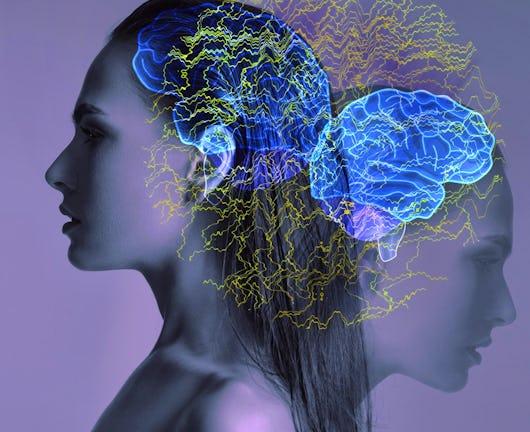
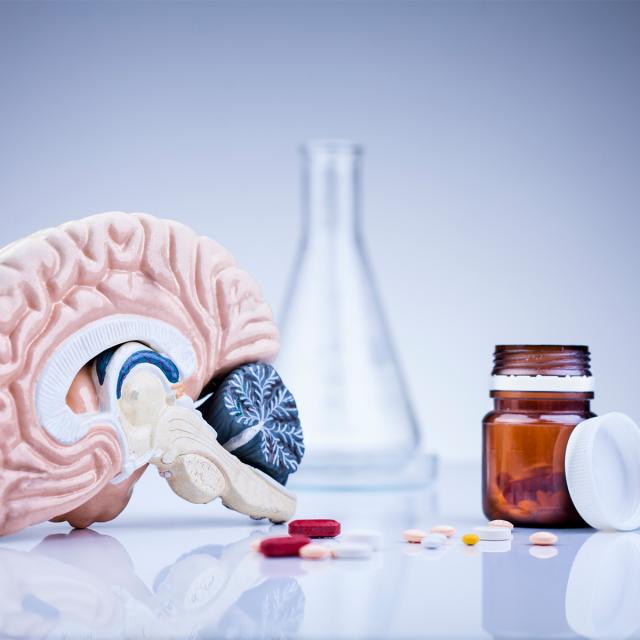
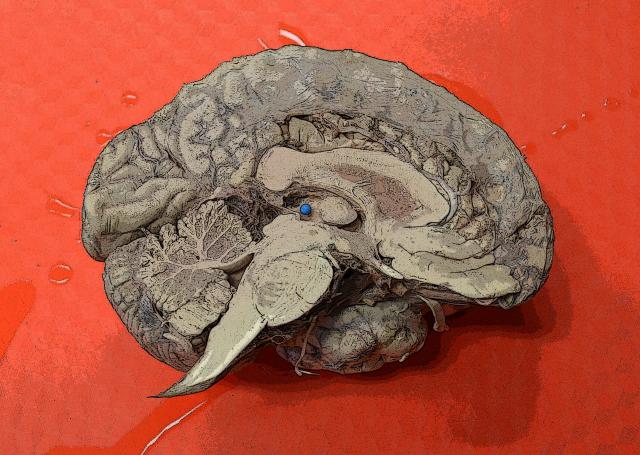
¡Bienvenidos a la cuarta semana de Introducción a la Psicología! En este módulo aprenderás nociones fundamentales vinculadas a a las funciones cognitivas y al órgano responsable de alojar estas habilidades: el cerebro. Además, abordarás el estudio de distintas funciones cognitivas como la atención, la percepción y la memoria. El estudio de estos conceptos será clave para la comprensión del último módulo del curso: las disfunciones cognitivas

WEEK 5
Disfunciones cognitivas
¡Bienvenidos a la quinta y última semana del curso de Introducción a la Psicología! En este tramo final aprenderás acerca de las disfunciones de la percepción, del lenguaje y de la memoria, entre otras. Estudiarás el desarrollo cognitivo a lo largo del envejecimiento, para detectar cuándo una falla puede ser considerada normal, y cuándo resulta una señal de alarma frente a un deterioro cognitivo mayor. Finalmente, conocerás una serie de factores que pueden poner en riesgo la salud del cerebro, y qué factores actúan como promotores de salud para el mismo.


Go to Class
MOOC List is learner-supported. When you buy through links on our site, we may earn an affiliate commission.

Related Courses

Social Psychology (Coursera) Coursera
Wesleyan University

Social Psychology (Coursera)

This course offers a brief introduction to classic and contemporary social psychology, covering topics such as decision making, persuasion, group behavior, personal attraction, and factors that promote health and well-being. Ever wonder why people do what they do? This course—which includes more than $1,000 of video and reading materials—offers some answers based on the latest research from social psychology.

Jun 22nd 2026
5-12 Weeks
A Life of Happiness and Fulfillment (Coursera) Coursera
Indian School of Business - ISB

A Life of Happiness and Fulfillment (Coursera)

What are the determinants of a happy and fulfilling life? This is surely one of life’s biggest questions, and a question that has interested many of our ancestors. Buddha famously gave up his kingdom in search of happiness. Several Greek philosophers (from Aristotle to Epicurus and Plato to Socrates) had their own views on what it takes to be happy. And of course, we all have our own theories about happiness too.

Jun 22nd 2026
5-12 Weeks
Wilderness First Aid - Medical Emergencies (Coursera) Coursera
University of Colorado System

Wilderness First Aid - Medical Emergencies (Coursera)

In this course, students will learn to identify and treat common traumatic injuries in the wilderness, and how to identify the difference between blunt and penetrating trauma. They will also be taught about common injuries of the chest, abdomen, pelvis, and signs and symptoms of different types of head trauma along with how to identify when a condition would warrant immediate evacuation.

Jun 22nd 2026
4 Weeks
Medical Neuroscience (Coursera) Coursera
Duke University

Medical Neuroscience (Coursera)

Medical Neuroscience explores the functional organization and neurophysiology of the human central nervous system, while providing a neurobiological framework for understanding human behavior. In this course, you will discover the organization of the neural systems in the brain and spinal cord that mediate sensation, motivate bodily action, and integrate sensorimotor signals with memory, emotion and related faculties of cognition. The overall goal of this course is to provide the foundation for understanding the impairments of sensation, action and cognition that accompany injury, disease or dysfunction in the central nervous system. The course will build upon knowledge acquired through prior studies of cell and molecular biology, general physiology and human anatomy, as we focus primarily on the central nervous system.

Jun 22nd 2026
13-24 Weeks
Learning How to Learn: Powerful mental tools to help you master tough subjects (Coursera) Coursera
University of California, San Diego,McMaster University

Learning How to Learn: Powerful mental tools to help you master tough subjects (Coursera)

This course gives you easy access to the invaluable learning techniques used by experts in art, music, literature, math, science, sports, and many other disciplines. We’ll learn about the how the brain uses two very different learning modes and how it encapsulates (“chunks”) information. We’ll also cover illusions of learning, memory techniques, dealing with procrastination, and best practices shown by research to be most effective in helping you master tough subjects.

Jun 22nd 2026
4 Weeks
Psychology of Popularity (Coursera) Coursera
University of North Carolina

Psychology of Popularity (Coursera)

The level of popularity you experienced in childhood and adolescence is still affecting you today in ways that you may not even realize. Learn about how psychologists study popularity and how these same concepts can be used in adulthood to be more successful at work, become better parents, and have a happier life.

Jun 22nd 2026
5-12 Weeks
Symptom Management in Palliative Care (Coursera) Coursera
Stanford University

Symptom Management in Palliative Care (Coursera)

This course should be taken after the Essentials of Palliative Care course and continues building your primary palliative care skills – communication, psychosocial support and goals of care. You will learn how to screen, assess, and manage both physical and psychological symptoms. You will explore common symptoms such as pain, nausea, fatigue, and distress and learn specific treatments.

Jun 22nd 2026
4 Weeks
The Psychology of Thrill Seekers (Coursera) Coursera
Emory University

The Psychology of Thrill Seekers (Coursera)

Sensation seeking is a trait we all have and includes the search for complex and new experiences. Thrill Seekers, people with high-sensation seeking personalities, crave exotic and intense experiences even when physical or social risks are involved. This course helps learners examine the remarkable world of the high-sensation seeking personality and explores the lifestyle, psychology, and neuroscience behind thrill seekers.

Jun 22nd 2026
5-12 Weeks
Pricing Strategy (Coursera) Coursera
IE Business School

Pricing Strategy (Coursera)

Pricing is one of the most important but least understood marketing decisions. Learn and practice concepts, techniques, and get to grips with the latest thinking on assessing and formulating pricing strategies. Analyze how firms attempt to capture value, as well as profits, in the revenues they earn. After this course, you will be able to contribute to the process of formulating pricing strategies for your own products and services, or those of your firm.

Jun 22nd 2026
4 Weeks