Fossil fuels have been the primary energy source for society since the Industrial Revolution. They provide the raw material for the manufacture of many everyday products that we take for granted, including pharmaceuticals, food and drink, materials, plastics and personal care.
As the 21st century progresses we need solutions for the manufacture of chemicals that are smarter, more predictable and more sustainable.
Class Deals by MOOC List - Click here and see Coursera's Active Discounts, Deals, and Promo Codes.
Industrial biotechnology is changing how we manufacture chemicals and materials, as well as providing us with a source of renewable energy. It is at the core of sustainable manufacturing processes and an attractive alternative to traditional manufacturing technologies to commercially advance and transform priority industrial sectors yielding more and more viable solutions for our environment in the form of new chemicals, new materials and bioenergy.
This course will cover the key enabling technologies that underpin biotechnology research including enzyme discovery and engineering, systems and synthetic biology and biochemical and process engineering. Much of this material will be delivered through lectures to ensure that you have a solid foundation in these key areas. We will also consider the wider issues involved in sustainable manufacturing including responsible research innovation and bioethics.
In the second part of the course we will look at how these technologies translate into real world applications which benefit society and impact our everyday lives. This will include input from our industry stakeholders and collaborators working in the pharmaceutical, chemicals and biofuels industries.
By the end of this course you will be able to:
- Understand enzymatic function and catalysis.
- Explain the technologies and methodologies underpinning systems and synthetic biology.
- Explain the diversity of synthetic biology application and discuss the different ethical and regulatory/governance challenges involved in this research.
- Understand the principles and role of bioprocessing and biochemical engineering in industrial biotechnology.
- Have an informed discussion of the key enabling technologies underpinning research in industrial biotechnology
- Give examples of industrial biotechnology products and processes and their application in healthcare, agriculture, fine chemicals, energy and the environment.
Syllabus
WEEK 1
Enzymes, Enzyme Discovery and Engineering
Enzyme catalysts are central to life. They are the vehicles for delivering innovative bioscience solutions to chemicals manufacture, drug discovery, therapeutics and bioprocessing. They are the key enablers in the white biotechnology revolution, providing essential components in the new science of 'synthetic biology', offering new routes to biofuels, bulk and commodity chemicals and novel therapeutics.
WEEK 2
Methods in Systems and Synthetic Biology
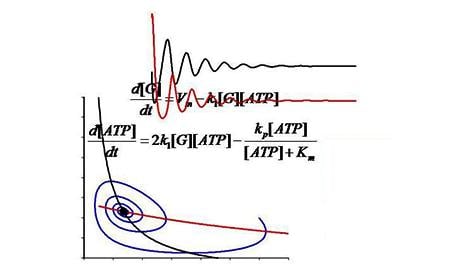
Recent advances in our ability to read and write genome sequences on a large scale have led to an ambitious vision for a new generation of biotechnology, often referred to as Synthetic Biology. Synthetic Biology aims at turning biology into an engineering discipline, in which organism engineers use computational tools to design biological systems with novel valuable functionalities, which are then built using advanced high-throughput genetic engineering, and tested by rapid screening technologies that collect diagnostic molecular profiles to drive improved designs in an iterative design-build-test cycle. This module will introduce the engineering concepts that inform Synthetic Biology and the cutting-edge technologies that underlie our dramatically increasing ability to construct living systems with custom-made functionalities. All stages of the design-build-test cycle for novel biosystems will be discussed, with a special focus on their integration in a unified bioengineering platform. Examples will focus on the application of Synthetic Biology as an enabling technology for the bioindustry, especially for the improved microbial production of high-value chemicals and drugs. A section on responsible research and innovation will explore the transformative potential of this innovative technology within a broader socio-economic context, creating awareness of the ethical and political implications of research in this field.
WEEK 3
Biochemical and Bioprocess Engineering
Biochemical and bioprocess engineering is concerned with the design of processes which involve biological transformations to manufacture a range of bio-based chemicals, biopharmaceuticals and biofuels. Through applying knowledge of process constraints, which are usually described mathematically, biochemical engineers are able to design a series of integrated process steps or “unit operations” which together make up a bioprocess. This module will give an appreciation of the key role biochemical engineering has in translating discoveries coming from life sciences and synthetic biology, such as improved microbial platforms for product expression, into economically viable full scale production processes. Key engineering concepts and the problem solving approach required for the design of bioprocesses will be taught by a group of biochemical engineers from The University of Manchester, University College London and Technical University of Denmark.
WEEK 4
Pharmaceuticals and Fine Chemicals
This module looks at the production of pharmaceuticals and fine chemicals using biocatalysis. Specifically, we will look at isolated biocatalytic transformations using isolated enzymes or whole cells as catalysts to manufacture commercially important products including pharmaceuticals, industrial monomers and personal care products. This module will be delivered by Dr Andy Wells of CHEM21, Europe’s largest public-private partnership dedicated to the development of manufacturing sustainable pharmaceuticals led by The University of Manchester and the pharmaceutical company GlaxoSmithKline. Dr Wells, alongside Dr Tom Dugmore of The University of York, will look at six industrial examples of biocatalytic reactions involving six different enzyme transformations. Each example will look at the product, manufacturing route, mechanism of the enzyme reaction and some of the sustainability drivers and metrics for adopting IB as part of the manufacturing route. Over the six examples, a number of key attributes of enzyme catalysed processes that need to be considered for successful scale-up will be examined. These include choice of free enzyme or whole cell catalyst, co-factors and co-factor recycling, multi-phase reactions, enzyme stability and throughput. Each example will have a number of references to the primary literature covering the product and enzyme type for further learning outside of the module.
WEEK 5
Case Studies: Bioenergy and Biomaterials
Bioenergy is renewable energy extracted from biomass (organic biological material such as plants and animals, wood, waste, (hydrogen) gas, and alcohol fuels. Biomass is the fuel, bioenergy is the energy contained within that fuel. In this module we will look at biofuel production and the research and knowledge challenges associated with increasing the contribution of UK bioenergy to meet strategic environmental targets in a coherent, sustainable and cost-effective manner. In addition, we will be looking at biomaterials science and, in particular, the development of novel biomaterials and their application in a variety of industrial and medical products. Biomaterials can be derived either from nature or synthesized in the laboratory using a variety of chemical approaches utilizing metallic components, polymers, ceramics or composite materials. As a science it is around 50 years old so we will be considering the current trends and the future of biomaterials research and biomanufacturing technologies.
WEEK 6
Case Studies: Glycoscience and Biotherapeutics
Glycoscience is the science and technology of carbohydrates, which are the most abundant biological molecules on Earth and make up part of the biology of all living organisms. This module will introduce the fundamental concepts of glycoscience, leading onto the benefits for society and how this drives and impacts the bioeconomy. A series of case studies will be used to present some of the key challenges and glycan-based solutions in pharmaceuticals and personalised medicine, food security and biomaterials. Biopharmaceuticals are new medicines that are made biologically. “Biologically” means that the production is too complex for simple chemistry and that we currently have to direct biological materials – cells, using the spectrum of natural catalytic reactions - to make these revolutionary medicines. We will be looking at the revolution in these development medicines within a clinical, societal and economic context and the approaches used to ensure production of safe and effective biopharmaceuticals, using various types of expression systems. Students will be introduced to detailed case studies that illustrate how the principles developed in other sub-modules are put into practice in the industrial context.