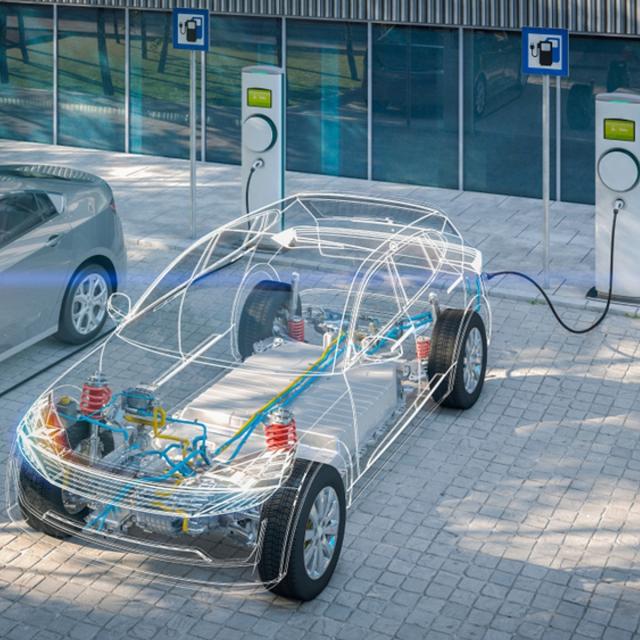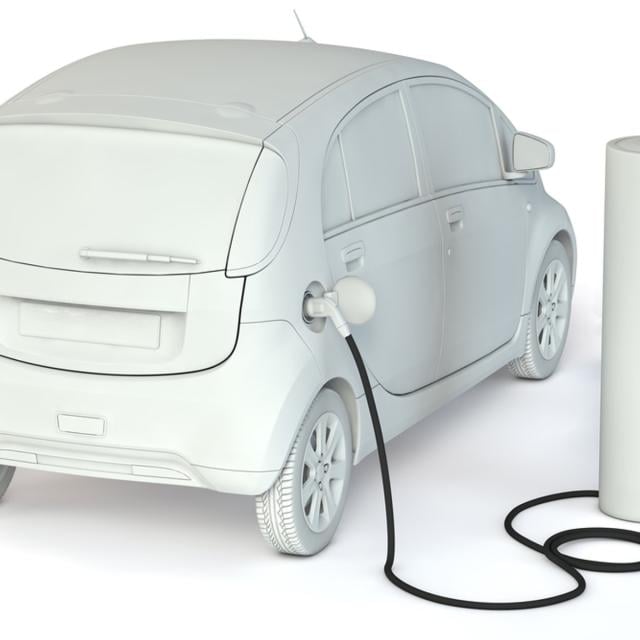
Our course, "Hybrid Electric Vehicles Technical System (Operation and Service)," offers a comprehensive understanding of HEVs, covering technical fundamentals, operational characteristics, maintenance protocols, and diagnostic methodologies. Participants will delve into the inner workings of hybrid systems, exploring how electric and internal combustion engines synergize to optimize fuel efficiency and reduce emissions.
Class Deals by MOOC List - Click here and see Coursera's Active Discounts, Deals, and Promo Codes.
Through practical application and real-world examples, learners gain insights into maintenance and diagnostic challenges faced in hybrid car servicing, enabling them to tackle diverse issues with confidence and proficiency. The curriculum emphasizes the distinct advantages of HEVs over conventional vehicles, such as regenerative braking and power-split architectures, contributing to efficiency and sustainability.
Safety practices and environmental considerations in HEV servicing are highlighted, including protocols for handling high-voltage components and optimizing battery performance. Whether you're an automotive service technician, student, or professional, our course equips you with the skills needed to navigate the complexities of hybrid technology and meet the demands of the evolving automotive landscape.
What you'll learn
- Describe the key components and systems unique to hybrid electric vehicles.
- Identify routine maintenance procedures and safety protocols for HEVs.
- Evaluate common HEV problems using diagnostic tools and techniques.
- Synthesize new strategies for environmental impact reduction and safety enhancement in HEV operations.
Syllabus
Introduction to Hybrid Electric Vehicles
Module 1 provides an introductory overview of Hybrid Electric Vehicles (HEVs), covering their evolution, types of hybrid systems, key components, powertrain, energy management, control systems, and user interface.
Operation and Maintenance of Hybrid Electric Vehicles
Module 2 focuses on providing a comprehensive understanding of the operation, maintenance, and safety considerations associated with hybrid electric vehicles (HEVs). Learners will explore the unique driving dynamics, energy conservation strategies, regenerative braking systems, routine maintenance, safety procedures, battery care, diagnostic tools, and service techniques specific to HEVs.
Basic Diagnosis in Hybrid Electric Vehicles
Module 3 provides a comprehensive overview of the basic diagnostic procedures and techniques specific to hybrid electric vehicles (HEVs). Through a series of video lessons and suggested readings, learners will gain insights into diagnostic tools, interpretation of diagnostic codes, identification of common issues, system-specific diagnostics for key components like batteries, motors, and power electronics, troubleshooting methodologies, and the utilization of data logging and analysis in HEV diagnostics.
Advanced HEV Diagnostics and Problem Solving
Module 4 delves into advanced diagnostic techniques and problem-solving strategies tailored for Hybrid Electric Vehicles (HEVs). It covers cutting-edge tools, intricate battery diagnostics, troubleshooting powertrain components, and addressing complex scenarios in HEV technology.