EdX

Electric Cars: Technology (edX)

Electric Cars: Technology (edX)

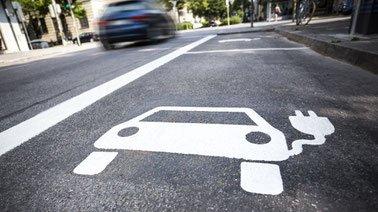
Get an in-depth understanding of the technology behind electric cars. Electric cars are more than a novel means of mobility. They have been recognized as an essential building block of the energy transition. Fulfilling their promise will imply a significant change in the technical, digital and social dimensions of transport and energy infrastructure. If you are interested in learning about the state-of-the-art technology behind electric cars, then this is the course for you!

Class Deals by MOOC List - Click here and see EdX's Active Discounts, Deals, and Promo Codes.

This course focuses on the technology behind electric cars. You will explore the working principle of electric vehicles, delve into the key roles played by motors and power electronics, learn about battery technology, EV charging, smart charging and about future trends in the development of electric cars.
The course includes video lectures, presentations and exercises, which are all illustrated with real-world case studies from projects that were implemented in the Netherlands.
This course was co-developed by Dutch Innovation Centre for Electric Road Transport (Dutch-INCERT) and TU Delft and is taught by experts from both the industry and academia, who share their knowledge and insights.
Join the course and be prepared for the upcoming developments amid the transition to electric vehicles!
This course is part of the Electric Cars Professional Certificate.

What you'll learn

  • Operation principle of electric cars
  • Motors and power electronics in an electric cars
  • Battery technology
  • Relevant charging infrastructure technologies and innovations, such as smart charging
  • Future technology for EVs such as wireless charging and solar EVs

Syllabus

Week 1: How does an EV work?

  • EV Vs gasoline car
  • Electric car drivetrain
  • Electric motor
  • Power electronic in an electric car Regenerative braking

Week 2: Battery Technology for EVs

  • Storage technologies for EV
  • Battery working principles
  • Battery losses
  • Li-ion batteries
  • Battery pack and battery management system

Week 3. Charging Technology of EVs

  • AC charging - Type 1,2,3
  • DC charging - Chademo, Tesla, CCS
  • Fast charging and its limitations
  • Smart charging and applications
  • Vehicle to grid (V2G) technology

Week 4. Future trends in electric cars

  • Wireless charging of EV
  • On-road charging of EV
  • Battery swap technology
  • Solar powered EVs
  • Charging EVs from renewables

Prerequisites
It is recommended that learners complete the first course, Electric cars: Introduction (DelftX- eCars1x)before beginning this course to be familiar with the basic concepts.

Go to Class
MOOC List is learner-supported. When you buy through links on our site, we may earn an affiliate commission.

Related Courses

Tech for Good: The Role of ICT in Achieving the SDGs (edX) EdX
SDGAcademyX,SDG Academy

Tech for Good: The Role of ICT in Achieving the SDGs (edX)

What opportunities and challenges do digital technologies present for the development of our society? Tech for Good was developed by UNESCO and Cetic, the Brazilian Network Information Center’s Regional Center for Studies on the Development of the Information Society. It brings together thought leaders and changemakers in the fields of information and communication technologies (ICT) and sustainable development to show how digital technologies are empowering billions of people around the world by providing access to education, healthcare, banking, and government services; and how “big data” is being used to inform smarter, evidence-based policies to improve people’s lives in fundamental ways.

Self Paced
Self-Paced
Hybrid Vehicles (edX) EdX
Chalmers University of Technology,ChalmersX

Hybrid Vehicles (edX)

Learn to design hybrid powertrains which meet the needs of modern vehicles, by combining the strengths of both electric motors and combustion engines. Why are hybrid vehicles still more common than battery electric ones? Why are electric vehicles still more expensive than conventional or hybrid ones? In this course, you will get the answers to this and much more.

Self Paced
Self-Paced
Innovating in Health Care (edX) EdX
HarvardX,Harvard University

Innovating in Health Care (edX)

Find innovation opportunities in health care technology, management, consulting, or investing by examining health care cost, quality, and access. Health care spending, quality, and access continue to plague America and global nations alike. With U.S. health care costs trending toward $4 trillion in 2020, the need to innovate and create smart, viable business plans is more important than ever before. Innovating in Health Care (IHC) explores how creating successful global business ventures in health care will not only improve access, but also better meet the needs of consumers and societies.

Self Paced
Self-Paced
Ciberseguridad. Bases y estructuras para la protección de la información (edX) EdX
Universidad Anáhuac,AnahuacX

Ciberseguridad. Bases y estructuras para la protección de la información (edX)

Sé capaz de blindar tu información y la de tu empresa contra las amenazas informáticas y conoce los fundamentos del fascinante mundo de la ciberseguridad. En la actualidad el acceso a las bases de datos, a las redes de computadoras y la información en la nube es esencial para desempeñar gran parte de nuestras actividades cotidianas.

Self Paced
Self-Paced
Electric and Conventional Vehicles (edX) EdX
Chalmers University of Technology,ChalmersX

Electric and Conventional Vehicles (edX)

Learn how electric and conventional powertrains work and methods to analyse their performance and energy consumption. Electric powertrains are estimated to propel a large part of road vehicles in the future, due to their high efficiency and zero tailpipe emissions. But, the cost and weight of batteries and the time to charge them are arguments for the conventional powertrain in many vehicles.

Self Paced
Self-Paced
An Introduction to Evidence-Based Undergraduate STEM Teaching (edX) EdX
CornellX,Cornell University

An Introduction to Evidence-Based Undergraduate STEM Teaching (edX)

Learn how to implement evidence-based teaching strategies in your university classroom as well as effective methods for assessing teaching and learning. This course is designed to provide future STEM faculty, graduate students and post-doctoral fellows with an introduction to effective teaching strategies and the research that supports them.

Jun 17th 2024
5-12 Weeks
Global Media, War, and Technology (edX) EdX
University of Queensland,UQx

Global Media, War, and Technology (edX)

Explore the intersection of information technology, violent conflict, and resistance. The experience of war has changed fundamentally – not only for those fighting and reporting, but also for those on the home front. High-tech nations wage wars from a distance using satellite-guided weaponry while non-state military actors, terrorist organizations, and citizen journalists have increasingly added new voices and visual perspectives to the conversation about conflict.

Self Paced
Self-Paced
Big Data Solutions for Social and Economic Disparities (edX) EdX
HarvardX,Harvard University

Big Data Solutions for Social and Economic Disparities (edX)

Join Harvard University Professor Raj Chetty in this online course to understand how big data can be used to measure mobility and solve social problems. What factors increase or decrease your likelihood of economic mobility? Does the neighborhood you grew up in play a part? How different is your life from the family’s life just a few streets over?

Self Paced
Self-Paced
Electric Cars: Policy (edX) EdX
Delft University of Technology,DelftX

Electric Cars: Policy (edX)

Learn about the role of public policy in steering technological innovation and infrastructural change toward zero-emission mobility. Electric cars are more than a novel means of mobility. They have been recognized as an essential building block of the energy transition. Fulfilling their promise will imply a significant change in the technical, digital and social dimensions of transport and energy infrastructure.

Self Paced
Self-Paced