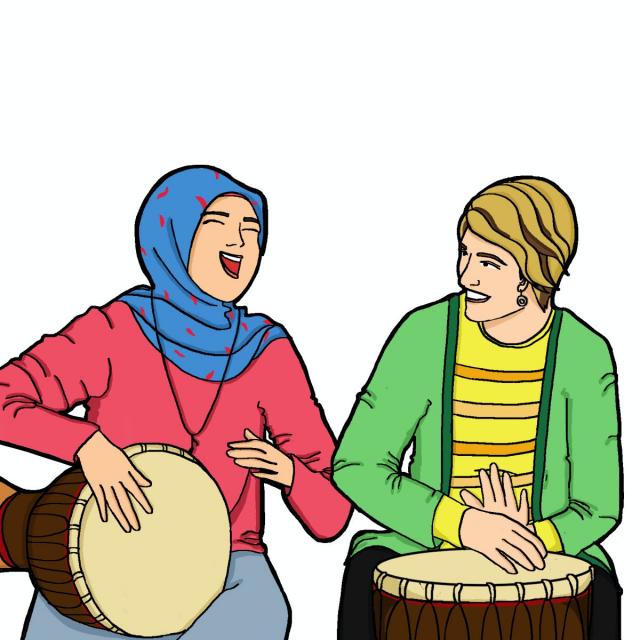
Did you ever wonder how music works? This course provides free video, audio and journal resources that explain six basic principles about how music can influence individual and community health and wellbeing. From biology and neuroscience, to psychotherapy and politics, the ways we engage with music can make all the difference. Music has always played an integral role in the lives of individuals and communities all around the globe.
Class Deals by MOOC List - Click here and see Coursera's Active Discounts, Deals, and Promo Codes.
This course explores the ways that music can be used to achieve positive changes with a particular emphasis on the most vulnerable persons. Six different understandings will be explored, each with their own set of values and assumptions. The greatest thinkers in each approach believe that their way of explaining the power of music is right, but we will show that understanding music in its entirety delivers the best results in each unique circumstance. Once we understand the various ways that music can change the world, we can make informed decisions about how best to employ its extraordinary power.
Learners who engage in this MOOC can expect to both deepen and broaden their understanding of how music can be used with individuals, groups and communities.
Specifically:
• To distinguish between how music works on the body, in the brain, through the unconscious, for bonding, as political action and in reflecting culture,
• To design practical programs that utilise music to support individuals, groups and communities based on examples shared in the ‘on-site’ case studies.
Syllabus
WEEK 1
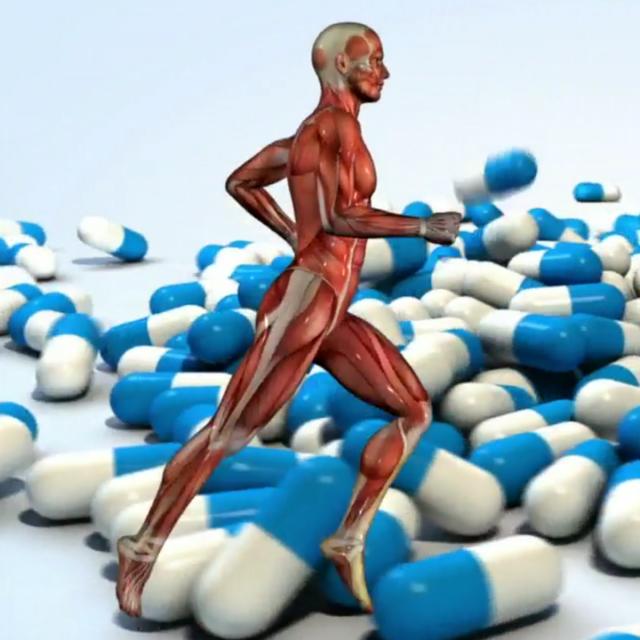
How can music influence the body to support fitness and rehabilitation?
Music has been used throughout history and across cultures to influence the body, but only in recent decades have researchers been able to examine how it is processed through the brain. These recent discoveries explain the relationship between features of music like rhythm, and improvements in physical health, particularly in rehabilitation. They also explain why people with Alzheimer’s disease remember all of the words to songs but can’t have a clear conversation. In this unit we hear and see how music has been used, often by qualified music therapists working in hospitals, to influence the body and support fitness and rehabilitation.
WEEK 2
How can music motivate the mind to promote academic achievement?
How much music is included in schools varies significantly, between countries and even around the corner. Learning music can happen in classrooms and through individual lessons. It can also be used to promote wellbeing and foster inclusion of diverse students. Researchers have investigated whether learning music results in higher achievement in other cognitive, social and psychological domains. In this unit we showcase some of that research and carefully consider what kinds of musical experiences are needed to achieve the different goals.
WEEK 3
How can music reflect the psyche to improve mental health?
Music can be a powerful way to explore and comprehend our deepest emotions. When used in psychoanalysis, this can lead to rich experiences that may even reveal aspects of our unconscious world that can be processed within the safety of the therapeutic relationship. Within the field of music therapy, practitioners often debate the relative merits of free improvisation on instruments in comparison to using the preferred songs of clients in therapy. Both afford opportunities to deepen our understanding of ourselves and our relationships to others, and music more generally can be used as a health resource that travels with us as we recover from being acutely unwell and continue the journey of life.
WEEK 4
How can music foster intimacy to strengthen relationships?
Have you ever used music to try and improve a relationship in your life? Playing the right background music is one thing, but what about singing with another person, or improvising on musical instruments in responsive and caring ways. Listening is the key to intimacy in any relationship and music can be the perfect vehicle to explore listening in new ways. We explore intimacy between parents and infants, therapists and clients and the ways that music therapists engage in musicking with people to build relationships that help.
WEEK 5
How can music enhance connectedness to support communities?
Is the power of music strongest when used by groups and communities?
Music has often been used by groups of people to express their shared beliefs, but it can be just as powerful when we connect musically with people whose beliefs and backgrounds are different. When we sing in choirs and dance in groups, a sense of community can be fostered that transcends differences and highlights those things that we share. But music has also been used to encourage one group to fight against another group of people, so using music requires careful consideration of power and privilege to ensure that change is for the greater good.
WEEK 6
How can music express culture and honour our diverse societies?
Each of us belongs to a range of culture and subcultures, including our ethnic heritage, our gender and sexuality, our abilities and ages. Many of us live in diverse neighbourhoods and cities where it is not enough to be culturally tolerant - we need to be culturally curious and engaged. Music is a powerful way of honouring diversity in culture and has been used to transcend differences and come together as many voices singing one song. We explore how important it is to be aware of our own power and privilege when musicking with people from cultures other than our own.
WEEK 7
Course wrap-up
We finish up the course this week with some closing remarks and a final assignment for you to undertake. We've also included some bonus podcasts and an interview for those who are interested.