Health After Cancer: Cancer Survivorship for Primary Care (Coursera)

Offered by Stanford University,
Health After Cancer: Cancer Survivorship for Primary Care (Coursera)

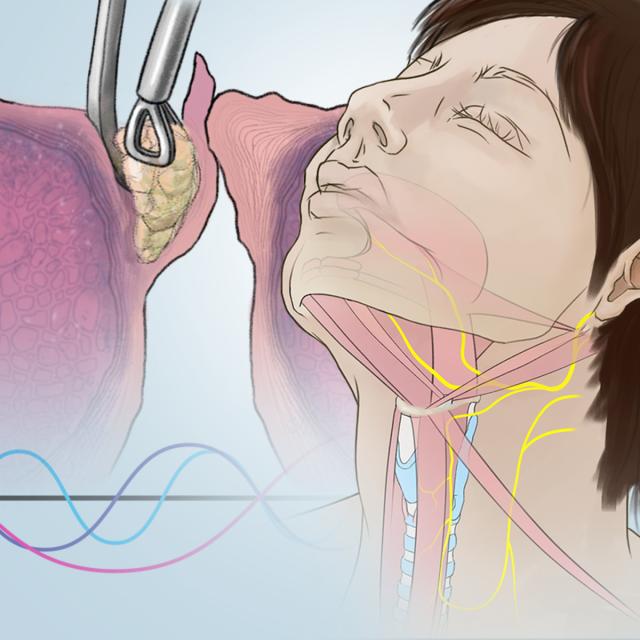
This course presents basic principles of cancer survivorship to primary-care physicians. Developed by a team of experts in caring for cancer survivors, and narrated by a primary-care physician, this course provides practical tips and tools that can be easily integrated into medical practice. You will learn about the complex physical and psychosocial needs and concerns of the growing number of cancer survivors, along with the key role that primary care physicians have in guiding these patients back to health, after cancer.

Class Deals by MOOC List - Click here and see Coursera's Active Discounts, Deals, and Promo Codes.

Materials include story-based videos where you will meet four patients with diverse needs in their care after recovery for cancer; printable reference guides for clinical care, communication, and resources; as well as additional optional cases for extended learning.

What You Will Learn

  • How to evaluate long-term and late effects of cancer treatments on patients’ wellbeing
  • How to use details of cancer diagnosis and treatment to make risk-based recommendations for co-morbidity management and preventive care
  • How to employ strategies for communication and collaboration with your patients and the entire care team

Syllabus

WEEK 1: Health After Cancer: Cancer Survivorship for Primary Care
Go to Class
MOOC List is learner-supported. When you buy through links on our site, we may earn an affiliate commission.

Related Courses

Engaging in Enterprise Growth and Innovation (Coursera) Coursera
Northeastern University

Engaging in Enterprise Growth and Innovation (Coursera)

You will explore the challenges and processes for harnessing technological innovation for new-business development, with special focus on digital healthcare transformation. You will gain an understanding of enterprise growth and innovation topics through readings, cases, and exercises, including learning how firms from different industries gain competitive advantage through distinctive products and services. The vast expertise of faculty combined with topic perspectives from the Mayo Clinic make this an engaging and unique course.

Jun 17th 2026
4 Weeks
Primeros Auxilios Psicológicos (PAP) (Coursera) Coursera
Universitat Autònoma de Barcelona

Primeros Auxilios Psicológicos (PAP) (Coursera)

Este curso on-demand (ABIERTO, se puede cursar en cualquier momento), impartido en castellano por la Universidad Autónoma de Barcelona y el Centro de Crisis de Barcelona, está destinado a entrenar en la aplicación de primeros auxilios psicológicos (PAP) a personas afectadas por situaciones altamente estresantes, abarcando tanto emergencias cotidianas (incidentes críticos estadísticamente frecuentes que afectan de manera muy intensa: un accidente de tráfico, una hospitalización, una agresión o la muerte traumática o repentina de una persona, etc.) como emergencias comunitarias y/o masivas (sucesos infrecuentes, que afectan a muchas personas o a una comunidad entera y que sobrepasan con mucho lo que sucede habitualmente en ella: una catástrofe natural, un accidente ferroviario o aéreo o un atentado).

Jun 15th 2026
5-12 Weeks
Positive Psychology: Martin E. P. Seligman’s Visionary Science (Coursera) Coursera
University of Pennsylvania

Positive Psychology: Martin E. P. Seligman’s Visionary Science (Coursera)

Dr. Martin E.P. Seligman—renowned worldwide as the “father of Positive Psychology”—has led visionary leaps in the scientific research, empirical data and personal understandings of human flourishing. This course explores the past, present and future of positive psychology as a journey through the key scientific leaps led by Dr. Seligman and his colleagues at the University of Pennsylvania's Positive Psychology Center and Master of Applied Positive Psychology program.

Jun 15th 2026
4 Weeks
Setting the Stage for Success: An Eye on Safety Culture and Teamwork (Patient Safety II) (Coursera) Coursera
Johns Hopkins University

Setting the Stage for Success: An Eye on Safety Culture and Teamwork (Patient Safety II) (Coursera)

Safety culture is a facet of organizational culture that captures attitudes, beliefs, perceptions, and values about safety. A culture of safety is essential in high reliability organizations and is a critical mechanism for the delivery of safe and high-quality care. It requires a strong commitment from leadership and staff. In this course, a safe culture is promoted through the use of identifying and reporting patient safety hazards, accountability and transparency, involvement with patients and families, and effective teamwork.

Jun 15th 2026
4 Weeks
Violence Against Healthcare (Coursera) Coursera
University of Geneva

Violence Against Healthcare (Coursera)

At the global level, there are many countries marked by violence affecting health care. The 'Health care in danger' project aims to establish practical measures and recommendations that can be implemented on the ground by policy-makers, humanitarian organizations and health professionals. In view of the multiplicity of actors and latitudes concerned, it is essential to be able to make available the tools needed to make informed decisions, guide behaviour in high-risk areas and provide everyone the means to create and optimize the dialogue between humanitarian professionals and health on the one hand and relevant authorities or other armed actors.

Jun 15th 2026
5-12 Weeks
Herbal Medicine (Coursera) Coursera
University of Minnesota

Herbal Medicine (Coursera)

There is strong demand for alternatives to pharmaceuticals for a variety of common illnesses due to concerns of safety, efficacy, and a desire for more “natural” products. Despite this growing interest, “conventional” healthcare providers may have little to no knowledge about herbal medicines, which is further compounded by the sometimes misleading information in the media and on the internet. This course provides the necessary background for providers to begin to incorporate herbal medicines into their practice, particularly in regards to their therapeutic properties, efficacy (or lack thereof), and safety concerns, including quality control and potential adverse effects.

Jun 17th 2026
5-12 Weeks
Science of Exercise (Coursera) Coursera
University of Colorado Boulder

Science of Exercise (Coursera)

Learners who complete Science of Exercise will have an improved physiological understanding of how your body responds to exercise, and will be able to identify behaviors, choices, and environments that impact your health and training. You will explore a number of significant adjustments required by your body in order to properly respond to the physical stress of exercise, including changes in carbohydrate, fat and protein metabolism, nutritional considerations, causes of muscle soreness & fatigue, and the effectiveness and dangers of performance enhancing drugs.

Jun 15th 2026
4 Weeks
The Oral Cavity: Portal to Health and Disease (Coursera) Coursera
University of Pennsylvania

The Oral Cavity: Portal to Health and Disease (Coursera)

This course will focus on the interprofessional realtionship of dentistry and medicine. For each session, the medical specialist will present a broad overview of specific disease entity which will be followed by a dental educator discussing the relevant oral manifestations and implications. The final module of each session will be devoted to the interaction between the dental and other health care professionals.

Jun 15th 2026
5-12 Weeks
Acute and Chronic Rhinosinusitis: A Comprehensive Review (Coursera) Coursera
Icahn School of Medicine at Mount Sinai

Acute and Chronic Rhinosinusitis: A Comprehensive Review (Coursera)

This course is designed to inform primary care physicians and general otolaryngologists about the differences between acute and chronic rhinosinusitis and how to distinguish and treat them. It is also applicable to individuals who wish to broaden their knowledge and vernacular about this disease process, especially those who may suffer from this condition.

Jun 15th 2026
5-12 Weeks
Guided Imagery (Coursera) Coursera
University of Minnesota

Guided Imagery (Coursera)

In this course, you will learn how you can use imagery and imagery interventions to help with symptom management and healing, as well as to enhance overall health and wellbeing. You will experience a variety of imagery interventions and evaluate how they might be helpful in providing relief or enhancing quality of life.

Jun 17th 2026
5-12 Weeks
Sustainable Food Production Through Livestock Health Management (Coursera) Coursera
University of Illinois at Urbana-Champaign

Sustainable Food Production Through Livestock Health Management (Coursera)

Learn about the impact of infectious disease on sustainable animal-based food production by understanding the science of growth, immunity, and infection and by learning the problem-solving skills needed to advance animal health and food production through optimal management practices. In this course we will explore the effect of infectious disease on sustainable animal-based food production. The content and learning outcomes of this new course will be designed to be relevant across different food production sectors (i.e., beef, dairy, poultry, and pigs).

Jun 15th 2026
5-12 Weeks