Fundamentos do Suporte Técnico (Coursera)

Offered by Google,
Fundamentos do Suporte Técnico (Coursera)

Ele é o primeiro de uma série que visa prepará-lo para entrar no mercado de TI como especialista de suporte técnico. Neste curso, apresentaremos o mundo da Tecnologia da Informação, ou TI. Você aprenderá sobre diversas facetas da Tecnologia da Informação, como hardware, software, internet, resolução de problemas e atendimento ao cliente. Mostraremos como uma entrevista técnica costuma transcorrer e daremos dicas de como se preparar melhor para esse tipo de ocasião.

Class Deals by MOOC List - Click here and see Coursera's Active Discounts, Deals, and Promo Codes.

Este curso abrange uma vasta gama de tópicos da TI, sendo projetado para mostrar um panorama do que está por vir neste programa de certificado.
Ao final deste curso, você será capaz de:
● entender o funcionamento do sistema binário.
● montar um computador do zero.
● escolher e instalar um sistema operacional em um computador.
● entender o que é a internet, seu funcionamento e o seu impacto no mundo moderno.
● aprender como os aplicativos são criados e como eles funcionam internamente no computador.
● empregar métodos comuns de resolução de problemas e habilidades interpessoais em um ambiente de Tecnologia da Informação.
Course 1 of 5 in the Suporte em TI do Google Professional Certificate

Syllabus

WEEK 1
Introdução a TI
Olá! Este é o Fundamentos do suporte técnico, o primeiro curso do Certificado Profissional de Suporte em TI! Ao se inscrever no curso, você dará o primeiro passo para iniciar sua carreira no ramo da tecnologia. Na primeira semana do curso, veremos como os computadores foram inventados, sua evolução ao longo do tempo e como funcionam hoje. Além disso, vamos entender o que é ser "Especialista em Suporte de TI" e quais são suas atribuições. Ao final deste módulo, você saberá contar como um computador, usando o sistema binário, e entenderá por que esses cálculos são tão importantes para a sociedade. Tudo pronto, então? Vamos começar!

WEEK 2
Hardware
Na segunda semana deste curso, vamos ver o que tem dentro de um computador. Aprenderemos tudo sobre os componentes de hardware ou as peças diferentes de um computador. Vamos descobrir o que cada componente faz e como trabalham juntos para fazer o computador funcionar. No final deste módulo, você saberá montar um computador do zero!
Hardware

WEEK 3
Sistema operacional
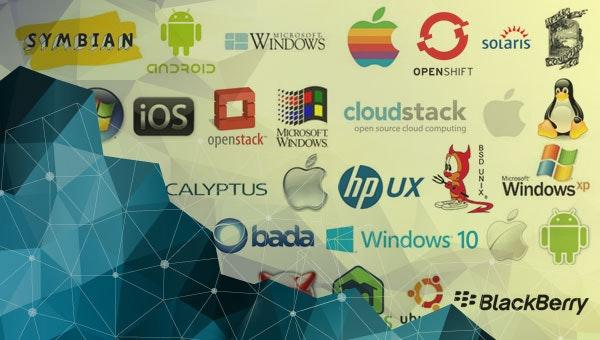
Na terceira semana deste curso, aprenderemos sobre sistemas operacionais. Falaremos sobre os sistemas operacionais mais comuns usados hoje e entenderemos como eles funcionam com o hardware do computador. Aprenderemos sobre o "processo de boot" de um sistema operacional e mostraremos como instalar os sistemas operacionais Windows, Linux e Mac OSX desde o início. Até o fim deste módulo, você usará o ambiente Qwiklabs para interagir diretamente com os sistemas operacionais Windows e Linux.

WEEK 4
Redes
Na quarta semana deste curso, aprenderemos sobre redes de computadores. Vamos explorar a história da internet e saber o que de fato é a "web". Também falaremos sobre privacidade, segurança e como será o futuro da internet. Você também entenderá por que a internet tem limitações até hoje em dia. Até o fim deste módulo, você saberá como a internet funciona e reconhecerá os impactos positivos e negativos da internet no mundo.

WEEK 5
Software
Na quinta semana deste curso, vamos falar sobre os softwares de computador. Entenderemos o que é realmente um software e veremos os diversos tipos de software com que você pode se deparar sendo um especialista em suporte de TI. Além disso, vamos entender como gerenciar softwares e rever o conceito de "abstração". Ao fim do módulo, você usará o ambiente Qwiklabs para instalar, atualizar e remover software nos sistemas operacionais Windows e Linux.

WEEK 6
Resolução de problemas
Parabéns, você chegou na última semana do curso! Na semana final, vamos falar sobre a importância da resolução de problemas e do atendimento ao cliente. Vamos retratar alguns cenários reais que você pode encontrar trabalhando em centrais de ajuda ou com suporte inicial. Entenderemos por que é importante ter empatia com o usuário quando se trabalha na área de tecnologia. E, por fim, veremos por que escrever documentação é um aspecto importante de qualquer cargo de TI. Ao fim deste módulo, você utilizará habilidades interpessoais e escreverá uma documentação para se comunicar com outras pessoas.

Go to Class
MOOC List is learner-supported. When you buy through links on our site, we may earn an affiliate commission.

Related Courses

Agile Software Development (Coursera) Coursera
University of Minnesota

Agile Software Development (Coursera)

Software industry is going crazy on agile methods. It is rapidly becoming the choice for software development where requirements are unpredictable or is expected to change over time. This course will help you gain knowledge on what is agile? Why agile is better suited for these situations? We will also cover some of the most common agile frameworks like scrum and XP in depth.

Jun 22nd 2026
4 Weeks
Software Development Processes and Methodologies (Coursera) Coursera
University of Minnesota

Software Development Processes and Methodologies (Coursera)

Software is quickly becoming integral part of human life as we see more and more automation and technical advancements. Just like we expect car to work all the time and can't afford to break or reboot unexpectedly, software industry needs to continue to learn better way to build software if it were to become integral part of human life.

Jun 22nd 2026
4 Weeks
Using Python to Interact with the Operating System (Coursera) Coursera
Google

Using Python to Interact with the Operating System (Coursera)

By the end of this course, you’ll be able to manipulate files and processes on your computer’s operating system. You’ll also have learned about regular expressions -- a very powerful tool for processing text files -- and you’ll get practice using the Linux command line on a virtual machine. And, this might feel like a stretch right now, but you’ll also write a program that processes a bunch of errors in an actual log file and then generates a summary file. That’s a super useful skill for IT Specialists to know.

Jun 23rd 2026
5-12 Weeks
Build a Modern Computer from First Principles: Nand to Tetris Part II (project-centered course) (Coursera) Coursera
Hebrew University of Jerusalem

Build a Modern Computer from First Principles: Nand to Tetris Part II (project-centered course) (Coursera)

In this project-centered course you will build a modern software hierarchy, designed to enable the translation and execution of object-based, high-level languages on a bare-bone computer hardware platform. In particular, you will implement a virtual machine and a compiler for a simple, Java-like programming language, and you will develop a basic operating system that closes gaps between the high-level language and the underlying hardware platform.

Jun 22nd 2026
5-12 Weeks
Lean Software Development (Coursera) Coursera
University of Minnesota

Lean Software Development (Coursera)

While scrum and XP were transforming the software development industry, there were another set of ideas (derived from lean manufacturing and Six Sigma) that started to influence software development methods. These ideas around Lean Software Development forms the foundation of number of agile methods. In this course, we will explore lean concepts and cover some of the common Lean methods and techniques like Kanban, Value Stream Mapping, etc.

Jun 22nd 2026
4 Weeks
Introduction to the Internet of Things and Embedded Systems (Coursera) Coursera
University of California, Irvine

Introduction to the Internet of Things and Embedded Systems (Coursera)

The explosive growth of the “Internet of Things” is changing our world and the rapid drop in price for typical IoT components is allowing people to innovate new designs and products at home. In this first class in the specialization you will learn the importance of IoT in society, the current components of typical IoT devices and trends for the future. IoT design considerations, constraints and interfacing between the physical world and your device will also be covered. You will also learn how to make design trade-offs between hardware and software. We'll also cover key components of networking to ensure that students understand how to connect their device to the Internet.

Jun 22nd 2026
4 Weeks
Fundamentals of Organization (Coursera) Coursera
Politecnico di Milano

Fundamentals of Organization (Coursera)

Organization is a fundamental theme to understand the real functioning of each company or, more in general, of any institution, and it is part of the basic know-how of each manager. Organization design implies decisions on how work is subdivided and how coordination between the various activities and people who autonomously perform them is guaranteed.

Jun 22nd 2026
3 Weeks
Getting Started with Google Kubernetes Engine (Coursera) Coursera
Google Cloud

Getting Started with Google Kubernetes Engine (Coursera)

This one-week, accelerated online class equips students to containerize workloads in Docker containers, deploy them to Kubernetes clusters provided by Google Kubernetes Engine, and scale those workloads to handle increased traffic. Students also learn how to continuously deploy new code in a Kubernetes cluster to provide application updates.

Jun 22nd 2026
1 Week
Everyday Excel, Part 2 (Coursera) Coursera
University of Colorado Boulder

Everyday Excel, Part 2 (Coursera)

"Everyday Excel, Part 2" is a continuation of the popular "Everyday Excel, [Parts 1](https://www.mooc-list.com/course/everyday-excel-part-1-coursera)". Building on concepts learned in the first course, you will continue to expand your knowledge of applications in Excel. This course is aimed at intermediate users, but even advanced users will pick up new skills and tools in Excel. By the end of this course, you will have the skills and tools to take on the project-based "Everyday Excel, Part 3 (Projects)".

Jun 22nd 2026
5-12 Weeks
Hardware Security (Coursera) Coursera
University of Maryland, College Park

Hardware Security (Coursera)

In this course, we will study security and trust from the hardware perspective. Upon completing the course, students will understand the vulnerabilities in current digital system design flow and the physical attacks to these systems. They will learn that security starts from hardware design and be familiar with the tools and skills to build secure and trusted hardware.

Jun 22nd 2026
5-12 Weeks
Introduction to Logic (Coursera) Coursera
Stanford University

Introduction to Logic (Coursera)

This course is an introduction to Logic from a computational perspective. It shows how to encode information in the form of logical sentences; it shows how to reason with information in this form; and it provides an overview of logic technology and its applications - in mathematics, science, engineering, business, law, and so forth.

Jun 22nd 2026
5-12 Weeks