EdX

Endocrine, Renal and Gastrointestinal Systems (edX)

Endocrine, Renal and Gastrointestinal Systems (edX)

The renal, gastrointestinal and endocrine systems are key body systems, essential for normal human health. Learn how these systems work together to maintain homeostasis. Comprehending the complexity and integration of the human body systems is the core to learning human physiology.

Class Deals by MOOC List - Click here and see EdX's Active Discounts, Deals, and Promo Codes.

SYSTEMS2x continues to investigate the intricacies of various body systems and how they function together to maintain homeostasis. This course begins by guiding you through the gastrointestinal tract and how food is moved and digested along the various segments of this system. The related roles of the pancreas in digestion and metabolism are also explored. Following this, various roles of the kidney are examined, importantly how fluid balance is achieved. Finally, the key integrating role of the endocrine system and hormones in providing cross-talk between body systems is highlighted.
This interactive course incorporates videos, insights from experts in human physiology, and questions created to test your new understanding of cell physiology.
This course is part of the Systems Physiology Professional Certificate.

What you'll learn

  • Understand how the renal system filters blood and maintains fluid balance.
  • Gain insight into digestion in the gastrointetinal tract.
  • Develop an integrated perspective of physiology and the importance of the nervous and endocrine systems in achieving body homeostasis.
Go to Class
MOOC List is learner-supported. When you buy through links on our site, we may earn an affiliate commission.

Related Courses

Industrial Biotechnology (edX) EdX
Delft University of Technology,DelftX

Industrial Biotechnology (edX)

Learn the basics of sustainable processing for biobased products to further understand their impact on global sustainability. As fossil-based fuels and raw materials contribute to climate change, the use of renewable materials and energy as an alternative is increasingly important and common. This transition is not a luxury, but rather a necessity.

Self Paced
Self-Paced
The Human Body's Communication Systems (Coursera) Coursera
MedCerts

The Human Body's Communication Systems (Coursera)

In this course on The Human Body's Communication Systems, you will learn about the wonderful diversity of the nervous and endocrine systems and the medical language that is used to describe these systems. Throughout each Lesson, the roots of terms are explained to help students understand how medical terminology works in healthcare and to increase their knowledge and understanding of the material discussed.

Nov 16th 2026
3 Weeks
Anatomy: Gastrointestinal, Reproductive and Endocrine Systems (Coursera) Coursera
University of Michigan

Anatomy: Gastrointestinal, Reproductive and Endocrine Systems (Coursera)

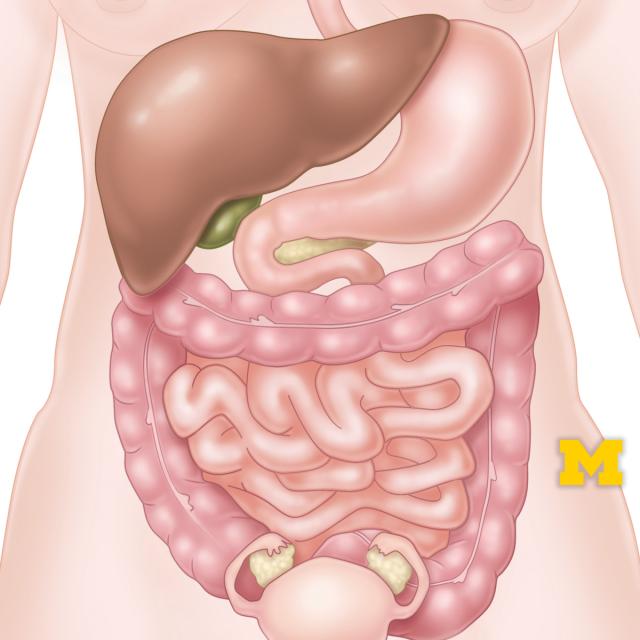
In this anatomy course, part of the Anatomy Specialization, you’ll learn about the various digestive, endocrine, and reproductive organs, their functions, and pathways of nerves and blood vessels serving these organs. Clinical correlations and vignettes will be used to highlight the importance of these anatomical structures and their relationships. Images and videos from cadaveric and artistic materials will be used to illustrate these concepts.

Nov 16th 2026
3 Weeks
Mini Medical School: Introduction to Medical Science (FutureLearn) FutureLearn
University of Colorado System

Mini Medical School: Introduction to Medical Science (FutureLearn)

Discover the science underpinning modern medical practice today and how to maintain and promote good physical and mental health. Master the basics of medicine with the University of Colorado School of Medicine. This three-week course offers you a fascinating and informative introduction to modern medicine.

Self Paced
3 Weeks
Case Studies in Functional Genomics (edX) EdX
HarvardX,Harvard University

Case Studies in Functional Genomics (edX)

Perform RNA-Seq, ChIP-Seq, and DNA methylation data analyses, using open source software, including R and Bioconductor. We will explain how to perform the standard processing and normalization steps, starting with raw data, to get to the point where one can investigate relevant biological questions.

Self Paced
Self-Paced
Planetary Boundaries (edX) EdX
SDGAcademyX,SDG Academy

Planetary Boundaries (edX)

Can our planet continue to support the current scope of human activity? A thriving global society relies on the stability of the Earth and its resilience across oceans, forests, waterways, biodiversity, the atmosphere and more. So how do we shape sustainability at a global scale? The boundaries set by the planet’s natural resources, the resilience of those resources, and the human activities that impact sustainability all come into play.

Self Paced
Self-Paced
Trasplante de órganos: desafíos éticos y jurídicos (edX) EdX
Universidad Autonoma de Madrid,UAMx

Trasplante de órganos: desafíos éticos y jurídicos (edX)

En este curso analizaremos algunos interrogantes éticos y jurídicos que suscita el trasplante de órganos. Desde que en 1954 se realizara el primer trasplante exitoso de un órgano, la cirugía de trasplantes se ha desarrollado espectacularmente brindando esperanza y calidad de vida a muchos enfermos.

Self Paced
Self-Paced
Essential Human Biology: Cells and Tissues (edX) EdX
University of Adelaide,AdelaideX

Essential Human Biology: Cells and Tissues (edX)

An introduction to the human body's most fundamental building blocks and their behaviours in health and disease. Are you preparing for a health-related career, or planning to study in the health sciences? Perhaps you're just keen to learn more about the wonders of the human body? Our bodies are amazing but complex biological machines. This course will provide you with an outstanding foundation of knowledge in human anatomy and physiology.

Self Paced
Self-Paced
Introduction to Bioconductor (edX) EdX
HarvardX,Harvard University

Introduction to Bioconductor (edX)

The structure, annotation, normalization, and interpretation of genome scale assays. We begin with an introduction to the biology, explaining what we measure and why. Then we focus on the two main measurement technologies: next generation sequencing and microarrays. We then move on to describing how raw data and experimental information are imported into R and how we use Bioconductor classes to organize these data, whether generated locally, or harvested from public repositories or institutional archives.

Self Paced
Self-Paced