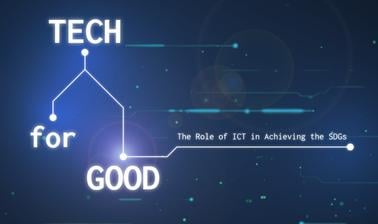
What opportunities and challenges do digital technologies present for the development of our society? Tech for Good was developed by UNESCO and Cetic, the Brazilian Network Information Center’s Regional Center for Studies on the Development of the Information Society. It brings together thought leaders and changemakers in the fields of information and communication technologies (ICT) and sustainable development to show how digital technologies are empowering billions of people around the world by providing access to education, healthcare, banking, and government services; and how “big data” is being used to inform smarter, evidence-based policies to improve people’s lives in fundamental ways.
Class Deals by MOOC List - Click here and see EdX's Active Discounts, Deals, and Promo Codes.
It also addresses the new challenges that technology can introduce, such as privacy, data management, risks to cybersecurity, e-waste, and the widening of social divides. Ultimately, Tech for Good looks at the ways in which stakeholders are coming together to answer big questions about what our future will look like in a hyper-digitized world.
This course is for:
- Technology specialists who want to understand more about how ICT is being used to improve people’s lives around the world.
- Sustainable development practitioners who need to understand the opportunities and limitations of technology in a development context.
- Advanced undergraduates and graduate students interested in the key concepts and practices of this exciting and ever-changing field.
What you'll learn
- ICT can improve access to knowledge and services, promote transparency, and encourage collaboration
- Responsible collection and use of data requires governance, security, and trust
- ICT projects should be contextualized and inclusive
- Technology is not neutral! Be aware of bias in design and implementation
Syllabus
Module 1: Welcome to the Digital Age
Introduction to the Course
Bridging the Digital Divide
Three Approaches to ICT for the SDGs
Module 2: Technology for Governments and Citizens
Equity and Access to Services
User-Driven Public Administration
It's All About the Data
The Open Government Approach
Case Study: Aadhaar in India
The Challenges of Digital Government
Module 3: ICT Infrastructure
Enabling ICT: The Role of Infrastructure
Promoting Digital Inclusivity
Innovations in Infrastructure
Building Smart Sustainable Cities
ICT as Infrastructure: A Look at Societal Platforms
Module 4: ICT Innovations in Health
Achieving Universal Health Coverage
Improving Healthcare Delivery
Involving the Community
Evidence in Action: Success Stories of ICT and Health
Emerging Challenges and Opportunities
Module 5: Learning in Knowledge Societies
The Ecosystem of ICT for Education
Education for a Connected World
Sharing Knowledge: ICT, Openness, and Inclusion
Measuring ICT and Education: Frameworks
Measuring ICT and Education: Data and Indicators
Rethinking ICT for Education Policies
Module 6: Promoting Financial Inclusion
An Introduction to Financial Services
The Potential of Digital Platforms
Mobile Payments for Marginalized Communities
ICT for Enabling Access to Credit
Replacing the Cash Economy
The Challenges of ICT-enabled Financial Inclusion
Module 7: Measurement and Metrics
Managing Data for the SDGs
ICT Innovation for Statistical Development
Engaging with Data: Communications and Citizen Empowerment
Case Study: Brazil’s Cetic.br
Measuring ICT
ICT for Monitoring the SDGs
Limitations of ICT for Monitoring the SDGs
Module 8: Artificial Intelligence
An Introduction to Artificial Intelligence
Who Drives the Agenda on “AI for Good”?
Implications for Discrimination and Exclusion
The Human Side of AI: Risks and Ethics
Module 9: Concerns for our Digital Future
Privacy and the Importance of Trust
Knowing your Data Rights
Cybersecurity
The Downsides of Digital
Module 10: The Way Forward
The New Workforce: Six Points about the Future of Work
The Meaning of Work in the Digital Era
The Open Movement
Closing Thoughts on ICT for the SDGs