Conducting Remote Consultations and Triage (FutureLearn)

Conducting Remote Consultations and Triage (FutureLearn)

Learn how to conduct remote consultations and triage during COVID-19 with this free course for healthcare professionals. Identify and manage the risks of conducting health consultations remotely.
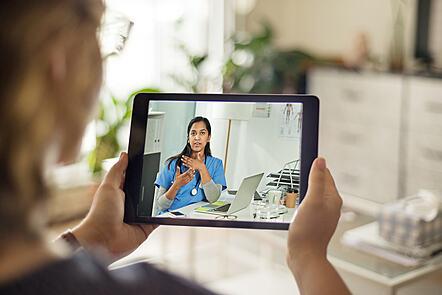
During the current COVID-19 pandemic, healthcare professionals are rapidly moving to conduct consultations by phone, video call, or online. This is changing the way that healthcare is delivered now and will be delivered in future.

Class Deals by MOOC List - Click here and see FutureLearn's Active Discounts, Deals, and Promo Codes.

This course will provide healthcare professionals with the tools to conduct consultations and obtain basic observations remotely and safely, including basic triage.
You’ll learn how to conduct history taking virtually and take essential observations in a remote setting. You’ll also consider safe patient management and how to triage patients via remote consultations.

What will you achieve?
By the end of the course, you‘ll be able to...

  • Describe different models for remote consultation
  • Describe the concept of triage within a remote consultation
  • Identify and assess the potential risks with remote consultations
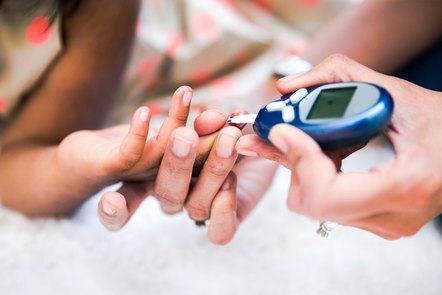
  • Explain how to obtain basic observations during a remote consultation
  • Apply risk stratification tools to remote consultations
  • Assess safeguarding risks within a remote consultation
  • Identify potential red flags including those for sepsis
  • Describe how to close the consultation using the Neighbour model as a framework
  • Identify appropriate safety netting
  • Describe how to document the consultation appropriately

Who is the course for?
The course is designed for all healthcare professionals working in clinical practice where there’s a need to undertake remote consultations.
This may include pharmacists working in a community pharmacy or GP practice, non-medical prescribers including nurses and pharmacist, GPs, practice nurses, physicians associates, paramedics working in Advanced Clinical Practitioner roles, healthcare professionals working in outpatient clinics or telehealth, trainee doctors, pharmacy and nurse students, and students in secondary education considering training as a healthcare professional.

Syllabus

Week 1: Models and risks
Week 2: Basic observations and managing risks
Week 3: Applying models and documenting your consultations

Go to Class
MOOC List is learner-supported. When you buy through links on our site, we may earn an affiliate commission.

Related Courses

Causes of Human Disease: Understanding Causes of Disease (FutureLearn) FutureLearn
University of Leeds

Causes of Human Disease: Understanding Causes of Disease (FutureLearn)

Learn the epidemiological methods used to understand the causes of diseases and how social factors influence their development. What causes human disease? Why do some people get a disease but others don’t? Through this course, you’ll learn how epidemiologists are helping to find answers to these complex questions and how the health of a population is measured and analysed.

Self Paced
2 Weeks
Liver Disease: Looking After Your Liver (FutureLearn) FutureLearn
University of Birmingham

Liver Disease: Looking After Your Liver (FutureLearn)

Learn about how your liver works, ways to look after it and how liver damage is caused, studied and treated around the world. We are currently experiencing an international explosion of liver disease that continues to have enormous impact upon healthcare systems and global health. In the UK we have seen a 20% increase in deaths related to liver disease since 2000 and this pattern reflects the global situation.

Self Paced
3 Weeks
Challenges in Antibiotic Resistance: Gram Negative Bacteria (FutureLearn) FutureLearn
British Society for Antimicrobial Chemotherapy - BSAC

Challenges in Antibiotic Resistance: Gram Negative Bacteria (FutureLearn)

This course by BSAC is for healthcare professionals managing infections. You will learn about Gram Negative Bacteria. Identify, diagnose and treat gram negative bacterial infections. Gram negative bacteria (GNB) are a group of bacteria that can cause infection and toxic reaction in patients, yet are difficult to differentiate and treat with antibiotics due to their structure.

Self Paced
3 Weeks
Introduction to Health Technology Assessment (FutureLearn) FutureLearn
University of Glasgow

Introduction to Health Technology Assessment (FutureLearn)

Learn about health technology assessment (HTA) and quality of life (QoL), and how they’re used to decide which treatments to fund. Get an introduction to health technology assessment (HTA). This online course provides a short, interactive introduction to health technology assessment (HTA), based on the University of Glasgow’s successful online distance-learning programme, the MSc in HTA.

Self Paced
3 Weeks
Why Do We Age? The Molecular Mechanisms of Ageing (FutureLearn) FutureLearn
University of Groningen,University Medical Center Groningen - UMCG

Why Do We Age? The Molecular Mechanisms of Ageing (FutureLearn)

Why do we age? Is there a limit to human lifespan? Can we prolong our lives? Find out with this free online course. Discover the science behind the ageing process. The “why” and “how” of ageing has puzzled mankind ever since it questioned its place in the universe.

Self Paced
5-12 Weeks
Understanding Autism (FutureLearn) FutureLearn
University of Kent

Understanding Autism (FutureLearn)

Understand more about autism, including diagnosis, the autistic spectrum and life with autism, with this online course. First identified over 70 years ago, autism is a lifelong developmental disability affecting how a person communicates with and relates to others, and how they make sense of the world. It is a spectrum condition; all people on the spectrum share certain difficulties, but their condition will affect them in different ways.

Self Paced
4 Weeks
Discovering Science: Medicinal Chemistry (FutureLearn) FutureLearn
University of Leeds

Discovering Science: Medicinal Chemistry (FutureLearn)

What role does chemistry play in healthcare and our ability to diagnose and treat patients? Discover how chemotherapy has evolved, and some of the breakthroughs and developments chemists have made in the fight against cancer over the last 10 years. Diagnostic imaging examines how scientists learn about, and treat, the inside of the body without invasive surgery. You’ll explore how modern imaging techniques diagnose problems quickly and safely, and how diseases which may not previously have been picked up are identified.

Self Paced
2 Weeks
Achieving Sustainable Development (FutureLearn) FutureLearn
Trinity College Dublin

Achieving Sustainable Development (FutureLearn)

Explore the challenges of sustainable development. See the impact of UN Sustainable Development Goals on real people. Consider the impact that UN Sustainable Development Goals could have. Governments of the world have signed up to the Sustainable Development Goals (SDGs), a UN initiative for international development. They are targets for improving the world by 2030, including: health, environment, education, and security. But will they have an impact on the lives of people?

Self Paced
4 Weeks
Biochemistry: the Molecules of Life (FutureLearn) FutureLearn
University of East Anglia

Biochemistry: the Molecules of Life (FutureLearn)

Explore the impact of biochemistry on bioenergy and health, discovering why graduates are in demand; with the Biochemical Society. Biochemistry brings together all of the sciences to study the chemical and physical processes that occur in living organisms. It truly is the science of life. As a scientific discipline in its own right, biochemistry has a major impact on all areas of the life sciences and biochemists are in high demand among employers.

Self Paced
3 Weeks
Become a Pharmacy Preceptor (FutureLearn) FutureLearn
Taipei Medical University

Become a Pharmacy Preceptor (FutureLearn)

Learn how to become an effective pharmacy preceptor, exploring the qualities a great preceptor needs. Good internship programs are vital for training healthcare providers well - that’s why effective pharmacy preceptors, the teachers who guide students through their pharmacy training, are so important. This course will provide those looking to to be internship preceptors, in the context of pharmacy education, with basic knowledge about pharmacy precepting.

Self Paced
4 Weeks