Climate Change: Solutions (FutureLearn)

Offered by University of Exeter,
Climate Change: Solutions (FutureLearn)

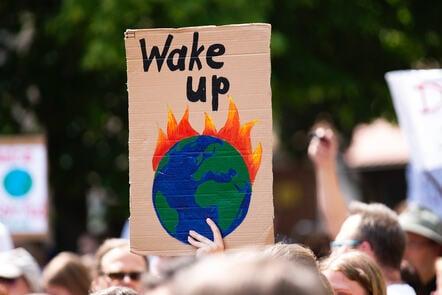
Explore the potential solutions to climate change and how they relate to the UN's sustainable development goals. Man-made climate change is one of the biggest threats to the world. The effects are already being seen through receding glaciers, ocean acidification and an increasingly vulnerable food supply. It’s vital we work to find solutions to climate change.

Class Deals by MOOC List - Click here and see FutureLearn's Active Discounts, Deals, and Promo Codes.

On this course you will explore solutions to this global challenge, including mitigation, adaptation and geo-engineering, which can help avoid the most dangerous climate changes and increase the resilience of societies and ecosystems to climate changes that cannot be avoided.

Syllabus

Week 1: Climate Action
Week 2: Life on land
Week 3: Life below water
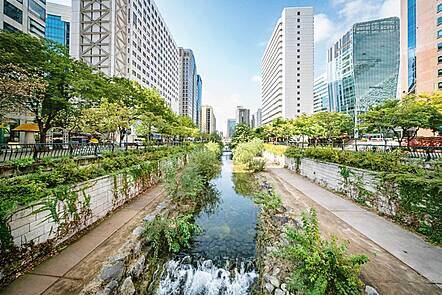
Week 4: Sustainable cities and communities

What will you achieve?
By the end of the course, you'll be able to...

  • Describe the sustainable development goals and their links to climate change
  • Explore responses to climate change: mitigation, adaptation and geoengineering
  • Identify methods of making agriculture more sustainable and explore the viability of these methods
  • Debate the viability of solutions that help strengthen the terrestrial biosphere carbon sink
  • Explain possible solutions to reducing ocean acidification
  • Discuss methods and policies being implemented to reduce plastic in oceans
  • Describe how buildings and cities can be designed to be more sustainable
  • Apply the theme of ‘sustainable communities’ to the developing world

Who is the course for?
You don’t need any prior knowledge of climate change, just an interest in science, nature and the environment. However it might be useful to have completed the sister course to this one: Climate Change: The Science.

Go to Class
MOOC List is learner-supported. When you buy through links on our site, we may earn an affiliate commission.

Related Courses

Climate Solutions: India (FutureLearn) FutureLearn
University of Edinburgh,Climate Solutions,Edinburgh Climate Change Institute(ECCI)

Climate Solutions: India (FutureLearn)

Explore the effects of climate change and how to address the biggest challenge to our civilisation in the 21st century. Tackle the climate emergency in India. Climate Change is one of the greatest threats we face. The impacts of climate change are already being felt around the world, affecting both natural and human systems, and these impacts are expected to become greater in years to come.

Self Paced
5-12 Weeks
A Nutritional Approach to Agriculture and Food Security (FutureLearn) FutureLearn
University of Leeds

A Nutritional Approach to Agriculture and Food Security (FutureLearn)

Develop skills to apply and evaluate innovative solutions that place nutrition at the heart of a sustainable food system. Modern agriculture and global food systems have become very complex and do not always provide people with affordable and nutritious food. This course presents current research, which aims to place nutrition at the heart of the food system.

Self Paced
2 Weeks
Transforming Urban Mobility: Components of Transport Planning for Sustainable Cities (FutureLearn) FutureLearn
University College London,Transforming Urban Mobility Initiative - TUMI,GIZ

Transforming Urban Mobility: Components of Transport Planning for Sustainable Cities (FutureLearn)

Examine how different types of public transport can be employed to make urban transport more sustainable. Discover how urban transport can be made more sustainable. Good transport systems and projects are critical to the development of sustainable cities. On this course, you’ll consider the Avoid-Shift-Improve (ASI) framework – particularly the ‘Shift’ and ‘Improve’ dimensions – as key components of a sustainable urban mobility strategy.

Self Paced
5-12 Weeks
IUCN Red List of Ecosystems: The Global Standard for Assessing Risks to Ecosystems (FutureLearn) FutureLearn
Deakin University

IUCN Red List of Ecosystems: The Global Standard for Assessing Risks to Ecosystems (FutureLearn)

This course introduces the IUCN Red List of Ecosystems and its successful use and policy impact through real-world case studies. Learn how the Red List of Ecosystems is helping to sustain global biodiversity. Nature is under threat around the world. Understanding where ecosystems are at greatest risk allows us to act to sustain species and ecosystems.

Self Paced
2 Weeks
Understanding and Teaching Evolution (FutureLearn) FutureLearn
University of Bath

Understanding and Teaching Evolution (FutureLearn)

Learn key concepts in biological evolution and find out how to integrate them into the classroom. Find out how to teach evolution to 7–16 year olds. How does evolution happen? Can we observe it in real time? How do new species come about and how long does this take? When you think about evolution, you may think of Darwin, but modern genetics has transformed our understanding of how evolution happens. This course uses this new genetics-centred approach to explain key concepts in our scientific understanding of evolution.

Self Paced
3 Weeks
Upcycling: From Green Ideas to Starting a Business (FutureLearn) FutureLearn
MINCA,Hands of Honour

Upcycling: From Green Ideas to Starting a Business (FutureLearn)

Explore the concept of upcycling, its link to sustainable development, and how you can start your own upcycling business. Understand upcycling, how to make upcycling products and start up a company. Have you ever turned unwanted objects or waste materials into entirely new products? Upcycling is the ideal way to combine creative ideas with a passion for sustainability and entrepreneurship.

Self Paced
3 Weeks
Achieving Sustainable Development (FutureLearn) FutureLearn
Trinity College Dublin

Achieving Sustainable Development (FutureLearn)

Explore the challenges of sustainable development. See the impact of UN Sustainable Development Goals on real people. Consider the impact that UN Sustainable Development Goals could have. Governments of the world have signed up to the Sustainable Development Goals (SDGs), a UN initiative for international development. They are targets for improving the world by 2030, including: health, environment, education, and security. But will they have an impact on the lives of people?

Self Paced
4 Weeks
Making Climate Adaptation Happen: Governing Transformation Strategies for Climate Change (FutureLearn) FutureLearn
University of Groningen,Global Center on Adaptation

Making Climate Adaptation Happen: Governing Transformation Strategies for Climate Change (FutureLearn)

Explore how adaptive governance could help policymakers plan for and manage sudden environmental changes. Learn the governance tools to respond to climate change. Climate change is one of the biggest challenges facing governing bodies across the globe. On this course, you will be introduced to climate science, the societal effects of climate change, and the responses already available in the form of climate adaptation.

Self Paced
4 Weeks
Discovering Science: Global Challenges (FutureLearn) FutureLearn
University of Leeds

Discovering Science: Global Challenges (FutureLearn)

Can chemistry help to feed a growing population, or overcome increasing bacterial resistance? Find out how the Penicillin class of antibiotics has been a major breakthrough in the treatment of patients. However, with bacteria developing efficient ways of resisting antibiotic treatment, discover how scientists are treating patients with infections resulting from resistant bacteria.

Self Paced
2 Weeks