Citizen Science: Living Soils, Growing Food (FutureLearn)

Citizen Science: Living Soils, Growing Food (FutureLearn)

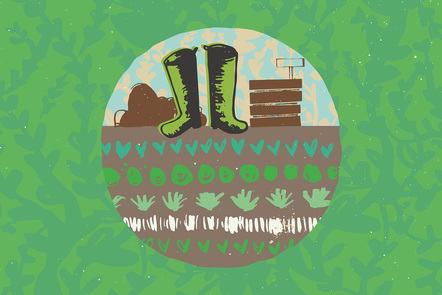
Learn about approaches to food growing that can help regenerate soil and solve environmental issues. Use regenerative growing practices in your own garden. Soil loss and degradation are serious issues all over the world. We need to find effective regenerative practices to solve many local and global environmental challenges. On this course, you’ll discover interesting things about your own soil and become part of the new GROW Citizen Observatory European-wide community.

Class Deals by MOOC List - Click here and see FutureLearn's Active Discounts, Deals, and Promo Codes.

You’ll explore key approaches to food growing that can help improve soil degradation and regenerate soils and ecosystems.
You’ll identify regenerative practices that you could use in your own growing site, and design a robust research experiment to evaluate them.

What topics will you cover?

  • Citizen Science and Fieldwork
  • The GROW Observatory
  • Regenerative practices for food growers - exploring the effectiveness of approaches like mulching, no dig, cover crops, creating wildlife friendly areas and more
  • Designing a robust research experiment to investigate the effectiveness of regenerative practices
  • Finding a three-sisters crop combination (polycultures) to improve the productivity of your plot and the health of your soil

What will you achieve?
By the end of the course, you'll be able to...

  • Explore key approaches to food growing that can ameliorate soil degradation and regenerate soils and ecosystems
  • Identify regenerative practices that you could implement in your growing site, and learn how to evaluate them to improve your growing.
  • Describe key research principles and their importance in designing robust growing experiments for your garden and your community
  • Carry out key measurements to assess soils and soil nutrients
  • Gain direct experience of the research process by carrying out a growing experiment
Go to Class
MOOC List is learner-supported. When you buy through links on our site, we may earn an affiliate commission.

Related Courses

IUCN Red List of Ecosystems: The Global Standard for Assessing Risks to Ecosystems (FutureLearn) FutureLearn
Deakin University

IUCN Red List of Ecosystems: The Global Standard for Assessing Risks to Ecosystems (FutureLearn)

This course introduces the IUCN Red List of Ecosystems and its successful use and policy impact through real-world case studies. Learn how the Red List of Ecosystems is helping to sustain global biodiversity. Nature is under threat around the world. Understanding where ecosystems are at greatest risk allows us to act to sustain species and ecosystems.

Self Paced
2 Weeks
Food and Nutrition: The Truth Behind Food Headlines (FutureLearn) FutureLearn
University of Reading,EIT Food

Food and Nutrition: The Truth Behind Food Headlines (FutureLearn)

Learn how to find reliable, scientific information about food and nutrition and identify the truth behind food headlines. Rebuild your trust in nutrition science and look beyond the media headlines. Due to conflicting messages from the media, it’s becoming harder to know what to believe when it comes to following a healthy diet and lifestyle. On this course, you’ll compare how nutrition and health topics are handled by the media and science.

Jan 2nd 2023
3 Weeks
Identifying Food Fraud (FutureLearn) FutureLearn
University of East Anglia

Identifying Food Fraud (FutureLearn)

An introduction to modern analytical science techniques and how they can be used to uncover food fraud. The food industry is one of the most important commercial sectors in the world. Everyone uses it, but how many people abuse it? As we witness the increasing globalisation of the supply chain, a growing challenge is verifying the questionable identity of raw materials in the food we eat.

Self Paced
4 Weeks
Environmental Challenges: Hierarchy in Property Rights (FutureLearn) FutureLearn
University of Leeds

Environmental Challenges: Hierarchy in Property Rights (FutureLearn)

How does language help us develop our relationship with nature and determine the rights of access and ownership? Increasing populations and social changes are pressurising our relationship with the environment. Property rights are embedded in power structures and land management. This course explores the different ways that nature is perceived by different types of societies and the impact of property rights on natural resource management.

Self Paced
2 Weeks
From Waste to Value: How to Tackle Food Waste (FutureLearn) FutureLearn
University of Reading,EIT Food,EIT

From Waste to Value: How to Tackle Food Waste (FutureLearn)

Discover the causes and impact of food waste, and learn how you can tackle it on a personal, community, and national level. Explore how combatting food waste and food loss can help the environment. The significant contribution the food system makes to climate change is widely recognised, and consumers are increasingly concerned about food waste. On this course, you’ll explore how you – as a consumer – can act and inspire others to reduce food waste effectively and sustainably.

Feb 6th 2023
3 Weeks
Consumer and Environmental Safety: Food Packaging and Kitchenware (FutureLearn) FutureLearn
EIT Food,EIT,University of Turin

Consumer and Environmental Safety: Food Packaging and Kitchenware (FutureLearn)

Discover the importance of kitchenware and packaging that is safe for people and the environment alike. Food safety is highly regulated. Yet, one blind spot is the migration of molecules from contact materials in kitchenware into food. Particular attention needs to be placed on chemicals present at low doses but acting on the endocrine system over a long time. On this course, you’ll learn about these endocrine disrupters and their potential impact on human health and the environment.

Jan 2nd 2023
5-12 Weeks
Professional Knife Skills (FutureLearn) FutureLearn
International Culinary Studio

Professional Knife Skills (FutureLearn)

Certify your chef knife skills and learn how to prepare food safely and quickly using professional knife training techniques. Boost your culinary skills with this chef knife skills training course. This course is designed for anyone who would like to improve their knife skills in the kitchen, be it a home or in a professional kitchen. Alongside experienced chefs at the International Culinary Studio, you’ll learn everything you need to know about effective and safe knife cutting when cooking.

Self Paced
2 Weeks
Environmental Challenges: Justice in Natural Resource Management (FutureLearn) FutureLearn
University of Leeds

Environmental Challenges: Justice in Natural Resource Management (FutureLearn)

How do we ensure that the difficult decisions about the management of natural resources are just and fair for all? When looking at different societies and cultures around the world, it is interesting how ubiquitous the principles of justice are. It is part of our human nature to think about equality, and consider fairness as something that we do naturally. However, in practical terms, equality is hard to achieve.

Self Paced
2 Weeks
Food and Mood: Improving Mental Health Through Diet and Nutrition (FutureLearn) FutureLearn
Deakin University,Food & Mood Centre

Food and Mood: Improving Mental Health Through Diet and Nutrition (FutureLearn)

Explore the relationship between nutrition and brain health, why it matters, and how to work towards positive food changes. Learn how healthy dietary choices can improve your mental and brain health. Poor diet and poor mental health are the leading causes of mortality and morbidity worldwide. We now know that diet quality is a modifiable factor that is linked to mental and brain health across all stages of our lives. We will explore how our daily diets may affect our mental and brain health, including the role of our immune system and gut microbiome.

Self Paced
3 Weeks
Ecology and Wildlife Conservation (FutureLearn) FutureLearn
University of Leeds

Ecology and Wildlife Conservation (FutureLearn)

Discover ecology and how we can protect wildlife and conserve the natural world. Do you worry about the effects of climate change on nature? This course will show you how the work of conservation biologists and study of ecosystems can help with conserving the world’s biodiversity. You’ll explore the impact that the presence of wind farms on populations of seabirds and understand how the use of advanced techniques can be used to study different populations.

Self Paced
2 Weeks
Circular Business Models for Sustainable Urban Food Systems (FutureLearn) FutureLearn
EIT Food,University of Helsinki,EIT,University of Turin

Circular Business Models for Sustainable Urban Food Systems (FutureLearn)

Discover how circular business models transform urban food systems to tackle grand challenges through innovative solutions. Explore how circular economy can foster sustainable urban food systems. On this course, you’ll discover how to design and build circular food systems for resilient, smart and sustainable cities.

Jan 2nd 2023
4 Weeks
Chemometrics in Air Pollution (FutureLearn) FutureLearn
University of Malaya

Chemometrics in Air Pollution (FutureLearn)

This course briefly introduces the causes and effects of air pollution in Asian, chemometric models and chemometric application. This course briefly introduces the causes and effects of air pollution. Air pollution is a growing concern the we experience in our daily life. But not everyone has a clear understanding of what the sources of air pollution are. Here, you will not only learn how to identify them, but also understand the potential impact air pollution has in our present and future.

Self Paced
3 Weeks