EdX

Cell Biology: The Cytoskeleton and Cell Cycle (edX)

Offered by MIT, MITx,
Cell Biology: The Cytoskeleton and Cell Cycle (edX)

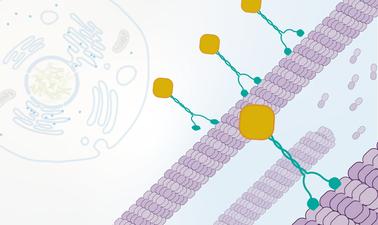
How do we know what we know about cells? Enhance your scientific thinking and data analysis skills with this in-depth adventure through cell biology. Do you think you know how cells grow and divide? Professor Iain Cheeseman will challenge you to see the cytoskeleton in new and beautiful ways. You will explore these structural elements of cells with an expanded toolkit to better understand the dynamic processes that generate incredible amounts of force and regulate function throughout the cell cycle.

Class Deals by MOOC List - Click here and see EdX's Active Discounts, Deals, and Promo Codes.

This is the third cell biology course in a four-part series. Building upon the concepts from biochemistry, genetics, and molecular biology from our Introductory Biology and Biochemistry MOOCs, these cell biology courses transition to a comprehensive discussion of biology at an experimental level. How do we know what we know about cells at a molecular level and how can we use that knowledge to design experiments to test hypotheses in cell biology?
We developed the 7.06x Cell Biology series with an emphasis on:

  • Developing your scientific thinking skills including articulating hypotheses, performing thought experiments, interpreting data, and designing experiments.
  • Using data based on real scientific experiments and highlighting the scientific process in assessments.
  • Asserting that biology is an active field that changes daily through examples of research and relevance to medicine, not static information in a textbook.
  • Uniting themes and principles that inform how scientists conduct and interpret research.

Implementing the science of learning in the course design.

What you'll learn

  • How to apply biochemical and genetic approaches to address fundamental questions regarding the regulation of cell structure and division.
  • How to evaluate the conclusions and models that scientists develop about cell biology from experimental approaches and results.
  • How to select specific empirical methods and techniques based on the different types of questions scientists ask.
  • How to design experiments with proper controls to answer cell biology questions.
  • How to compare and contrast the roles of actin and microtubule cytoskeletal elements.
  • How to identify recurring themes in maintaining cellular architecture throughout the cell cycle.

Syllabus

  • Microscopy
  • The Actin Cytoskeleton
  • The Microtubule Cytoskeleton
  • Force Generation and Movement
  • Cell Division
  • Cell Cycle Regulation
Go to Class
MOOC List is learner-supported. When you buy through links on our site, we may earn an affiliate commission.

Related Courses

One Planet, One Ocean (edX) EdX
SDGAcademyX,SDG Academy

One Planet, One Ocean (edX)

A holistic view of how the ocean functions, how human interactions with the ocean can be understood, and what solutions are available to support both sustainable use and stewardship of our blue planet. Is the ocean the real final frontier? Humans have a greater understanding of the surface of the moon than they do of the depths of these waters.

Self Paced
Self-Paced
Principles of Biochemistry (edX) EdX
HarvardX,Harvard University

Principles of Biochemistry (edX)

This introduction to biochemistry explores the molecules of life, starting at simple building blocks and culminating in complex metabolism. Principles of Biochemistry integrates an introduction to the structure of macromolecules and a biochemical approach to cellular function. Topics addressing protein function will include enzyme kinetics, the characterization of major metabolic pathways and their interconnection into tightly regulated networks, and the manipulation of enzymes and pathways with mutations or drugs.

Self Paced
Self-Paced
Tropical Coastal Ecosystems (edX) EdX
University of Queensland,UQx

Tropical Coastal Ecosystems (edX)

Take the challenge and understand problems and solutions to managing tropical coastal ecosystems. Do you want to develop the skills and knowledge needed to help preserve tropical coastal ecosystems? These habitats provide goods and services for hundreds of millions of people but human activities have led to their global decline.

Self Paced
Self-Paced
The Chemistry of Life (edX) EdX
Kyoto University,KyotoUx

The Chemistry of Life (edX)

Learn how to generate ideas at the interface between chemistry and biology. Chemistry and biology are traditionally taught as separate subjects at the high school level, where students memorize fundamental scientific principles that are universally accepted. However, at the university level and in industry, we learn that science is not as simple as we once thought. We are constantly confronted by questions about the unknown and required to use creative, integrated approaches to solve these problems.

Self Paced
Self-Paced
Molecular Biology - Part 1: DNA Replication and Repair (edX) EdX
MIT,MITx

Molecular Biology - Part 1: DNA Replication and Repair (edX)

An in-depth adventure through DNA replication and repair to strengthen your scientific thinking and experimental design skills. You’re acquainted with your DNA, but did you know that your cells synthesize enough DNA during your lifetime to stretch a lightyear in length? How does the cellular machinery accomplish such a feat without making more mistakes than you can survive?

Apr 16th 2024
5-12 Weeks
Innovate & Regulate: Drug Research, Costs, Clinical Trials & Approval (edX) EdX
Davidson College,DavidsonX

Innovate & Regulate: Drug Research, Costs, Clinical Trials & Approval (edX)

At some point in their life, essentially everyone needs to use medication for some type of disease treatment or cure. While medications offer great benefits, the cost of drugs, especially new drugs, and the lack of treatment for some diseases can raise questions about business activity behind the creation of new drugs. Better understanding of how drugs are discovered and developed as well as the legal and regulatory factors that affect the industry can help one better recognize both the shortcomings and opportunities faced by the drug industry at large.

Self Paced
Self-Paced
Biospecimen Research Methods (edX) EdX
The University of British Columbia,UBCx

Biospecimen Research Methods (edX)

Improve the quality of your research by learning and applying best practices to collect, store and use biospecimens in your laboratory. The success of your research depends on the quality of the biospecimens you use. Get ahead of the competition, increase your chances of being published in high impact journals, and open doors to opportunities for working in leading biomedical research laboratories or biobanks.

Self Paced
Self-Paced
Viruses & How to Beat Them I: Introduction to Cell Biology & Viruses (edX) EdX
Tel Aviv University,IsraelX

Viruses & How to Beat Them I: Introduction to Cell Biology & Viruses (edX)

Whereas cells are alive, viruses are not. Discover how living cells translate information coded in our genes into proteins and what happens when viruses hijack our cells and cause life threatening diseases. Have you ever wondered what viruses actually are? Have you been curious about the ways they invade our bodies, attack our cells and make us sick? Come and learn what viruses are made of and understand the mechanisms of how they hijack and take over our cells.

Self Paced
Self-Paced
AP® Biology - Part 2: Genetics (edX) EdX
Rice University,RiceX

AP® Biology - Part 2: Genetics (edX)

The second course in a comprehensive series designed to prepare you for the AP Biology exam, focusing on genetics and DNA. Preparing for the AP Biology exam requires a deep understanding of many different topics in biology as well as an understanding of the format of the AP exam and the types of questions it asks. This course is Part 2 of the AP Biology series designed to prepare you for the AP Biology exam.

No sessions available
5-12 Weeks