Bajemos la temperatura: De la ciencia climática a la acción (Coursera)

Offered by The World Bank,
Bajemos la temperatura: De la ciencia climática a la acción (Coursera)

Este MOOC orientado a la acción le brindará la oportunidad de conocer los efectos del cambio climático a escala regional y las estrategias sectoriales específicas utilizadas para aumentar la resiliencia y avanzar hacia un futuro con bajas emisiones de carbono.

Class Deals by MOOC List - Click here and see Coursera's Active Discounts, Deals, and Promo Codes.

Todas las regiones del mundo se enfrentan a vulnerabilidades concretas ante el cambio climático y tienen diversas oportunidades de mitigar los efectos y aumentar su resiliencia en el siglo XXI. La comunidad internacional ha expresado su intención de actuar al respecto mediante el Acuerdo de París en la 21ª Conferencia de las Partes en la Convención Marco de las Naciones Unidas sobre el Cambio Climático. De hecho, décadas de avances en desarrollo se ven amenazadas si no se adoptan medidas contra el cambio climático, lo que significa que nos encontramos en un momento de «ahora o nunca». Este curso presenta las pruebas científicas más recientes sobre el cambio climático, explica los distintos efectos de alcance regional y difunde estrategias de acción contra el cambio climático, así como oportunidades para que pueda tomar medidas en relación con el cambio climático.
Tendrá la oportunidad de estudiar a fondo estas cuestiones y adaptar su experiencia de aprendizaje a una o varias de las siguientes regiones:
• América Latina y el Caribe
• África Subsahariana
• Oriente Medio y Norte de África
• Europa Oriental y Asia Central
• Asia Oriental y el Pacífico
• Asia Meridional
Para ello el MOOC reúne a reconocidos científicos y responsables políticos que ofrecerán un resumen de las últimas pruebas científicas sobre el cambio climático, estrategias de desarrollo con bajas emisiones de carbono y capacidad de adaptación al cambio climático a escala regional entre sectores, así como un análisis del Acuerdo de París y otros de los resultados de la 21ª Conferencia de las Partes.

Programa del curso

Descripción
Bajemos la temperatura: La ciencia climática pasa a la acción se divide en cuatro semanas. En las primeras dos semanas se presentará una visión global de las pruebas científicas del cambio climático, que irá seguida de perspectivas específicas de cada región sobre los efectos de un aumento de la temperatura en el mundo en el siglo XXI. Las últimas dos semanas se centrarán en las estrategias de acción emprendidas en distintas regiones y países para abordar el desafío climático, y sobre cómo puede actuar la población de manera individual.

Semana 1: El cambio climático en el siglo XXI
• Cambios históricos y previstos observados en el sistema climático en los últimos años del siglo XXI.
• El potencial de contribución prevista determinada a nivel nacional (CPDN) presentada en la 21ª Conferencia de las Partes por parte de 187 países para inducir a la acción climática.
• Tendencias de los efectos del cambio climático, entre otros la pérdida de la capa de hielo del Ártico, el deshielo de los glaciares, el aumento de las olas de calor y las temperaturas extremas, la sequía y la aridez.
• Las posibles respuestas de los sistemas naturales, explicando cómo el calentamiento podría dar lugar al aumento del nivel del mar, a olas de calor y temperaturas extremas, y a la acidificación de los océanos.

Semana 2: Efectos de alcance sectorial y regional
• Repercusiones en sectores clave del desarrollo —desde el calentamiento por encima de la temperatura de la época preindustrial y tendencias climáticas previstas— en cada una de las regiones del mundo.
• Repercusiones sectoriales centradas en la producción agrícola, los recursos hídricos, los servicios de los ecosistemas y la vulnerabilidad de las zonas costeras para las poblaciones afectadas.
• Importancia de los riesgos que pueden invertir los logros de desarrollo obtenidos con tanto esfuerzo y atrapar en la pobreza a millones de personas, ilustrando la necesidad de actuar ya con urgencia.

Semana 3: La ciencia climática pasa a la acción en materia de cambio climático
• Debates sobre regiones específicas en torno a las acciones de mitigación necesarias para reducir las emisiones a la vez que se disminuye la vulnerabilidad ante los efectos del cambio climático por medio de la adaptación y el aumento de la resiliencia al clima.
• Perspectivas de expertos regionales sobre sus experiencias con estrategias y acciones propuestas en cada región para contribuir a la transición hacia una senda de desarrollo con bajas emisiones y resiliente al clima.

Semana 4: Qué puede hacer
• Efecto transformador de los cambios diarios a escala mundial
• La razón de actuar ahora, actuar juntos y actuar de un modo diferente
• Ejemplos y beneficios esperados de las políticas de mitigación y adaptación, teniendo en cuenta las contribuciones a las reducciones de las emisiones a escala mundial y las oportunidades de desarrollo a escala local

Go to Class
MOOC List is learner-supported. When you buy through links on our site, we may earn an affiliate commission.

Related Courses

The Science of Gastronomy (Coursera) Coursera
The Hong Kong University of Science and Technology - HKUST

The Science of Gastronomy (Coursera)

This course introduces a number of basic scientific principles underpinning the methodology of cooking, food preparation and the enjoyment of food. All topics covered have a strong basis in biology, chemistry, and physics application. Among others, they include the consumption of cooked food, the physiological and evolutionary implication of the senses, geographic and cultural influences on food, and the rationale behind food preparation. We will also discuss issues such as coupling of senses to improve sense stimulation; altering flavor by chemical means; and modification of the coloration to improve the appearance of dishes. Following the video demonstrations of the scientific principles of cooking, you will learn to recognize the key ingredients and their combinations for preparing good healthy food.

Oct 27th 2026
5-12 Weeks
An Introduction to Global Health (Coursera) Coursera
University of Copenhagen

An Introduction to Global Health (Coursera)

This course will provide you with an overview of the most important health challenges facing the world today. You will gain insight into how challenges have changed over time, we will discuss the likely determinants of such changes and examine future projections. Successful international strategies and programs promoting human health will be highlighted and global health governance structures will be mapped and the role of the key actors explored.

Oct 26th 2026
5-12 Weeks
Educación sobre el cambio climático (edX) EdX
Inter-American Development Bank - IDB,IDBx

Educación sobre el cambio climático (edX)

Un curso donde aprenderás cómo trabajar el tema del cambio climático con estudiantes de primaria y secundaria, de una manera constructiva y divertida. Nuestro clima está cambiando rápidamente y ahora, más que nunca, necesitamos estar listos para actuar y preparar a la próxima generación para cuidar de nuestro planeta.

Self Paced
Self-Paced
Generalidades del Desarrollo Sostenible (edX) EdX
The Pontificia Universidad Javeriana,JaverianaX

Generalidades del Desarrollo Sostenible (edX)

Aprende las herramientas necesarias que el sector financiero está integrando en la nueva forma de hacer negocios sostenibles, de desarrollar la Ecoeficiencia, en identificar los impactos y riesgos socioambientales y de cambio climático de los proyectos financiados.

Self Paced
Self-Paced
Oceanografía: una clave para entender mejor nuestro mundo (Coursera) Coursera
University of Barcelona

Oceanografía: una clave para entender mejor nuestro mundo (Coursera)

En este curso, el estudiante aprenderá las bases de la ciencia oceanográfica. Cómo se clasifica y se ha formado el fondo marino, cómo funcionan los actuales sistemas de análisis del mar por satélite, la química del océano y los procesos que han llevado a su formación.

Oct 26th 2026
5-12 Weeks
Oceanography: a key to better understand our world (Coursera) Coursera
University of Barcelona,Barcelona Foundation for Ocean Sailing - FNOB

Oceanography: a key to better understand our world (Coursera)

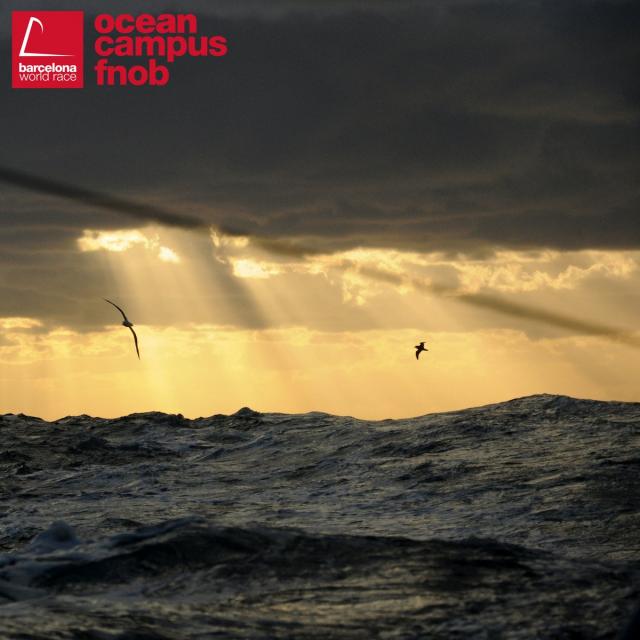
The course for a round the world regatta leads the boats through the Mediterranean Sea and the Atlantic, Southern Indian and South Pacific Oceans. On their voyage, the skippers come across a large variety of oceanographic situations: strong currents, floating ice, wave formations of every kind and biological diversity. In this course the student will learn about the foundations of the science of oceanography. You'll learn about the classification and formation of the ocean floor, how current sea satellite analysis systems work, the chemistry of the oceans and the processes that led to its formation.

Oct 26th 2026
5-12 Weeks
Health Across the Gender Spectrum (Coursera) Coursera
Stanford University

Health Across the Gender Spectrum (Coursera)

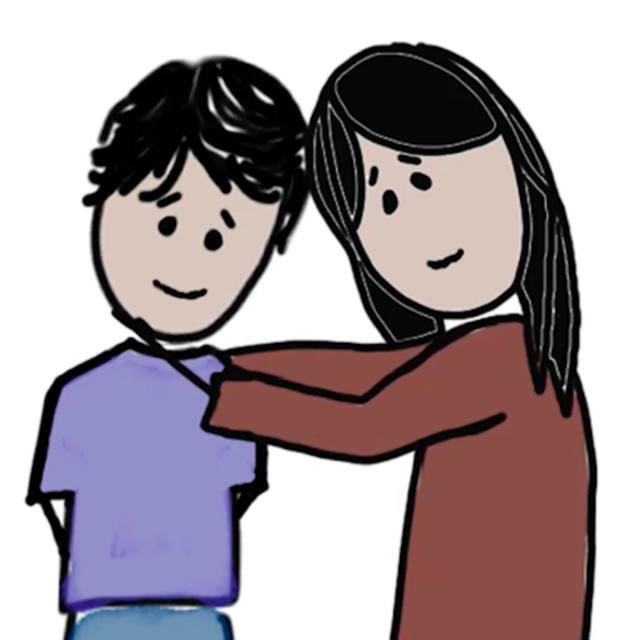
This course offers an intimate, story-based introduction to the experiences of six transgender children and their families. Through illustrated stories and short teaching videos, learners will gain a better understanding of gender identity and the gender spectrum. Stanford physicians, K-12 educators, and transgender faculty members offer practical tips for parents, teachers, healthcare providers and anyone who wants to help create a more gender-expansive environment - one in which all people can live authentically. As a global community of unique individuals, we can begin to build a world that is ready to nurture and love each and every child.

Oct 26th 2026
3 Weeks
Understanding Clinical Research: Behind the Statistics (Coursera) Coursera
University of Cape Town

Understanding Clinical Research: Behind the Statistics (Coursera)

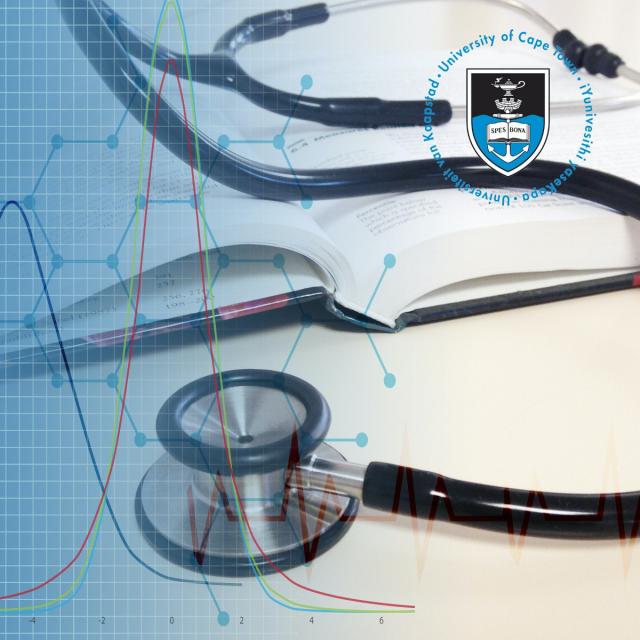
If you’ve ever skipped over`the results section of a medical paper because terms like “confidence interval” or “p-value” go over your head, then you’re in the right place. You may be a clinical practitioner reading research articles to keep up-to-date with developments in your field or a medical student wondering how to approach your own research. Greater confidence in understanding statistical analysis and the results can benefit both working professionals and those undertaking research themselves.

Oct 26th 2026
5-12 Weeks
Voice Disorders: What Patients and Professionals Need to Know (Coursera) Coursera
Icahn School of Medicine at Mount Sinai

Voice Disorders: What Patients and Professionals Need to Know (Coursera)

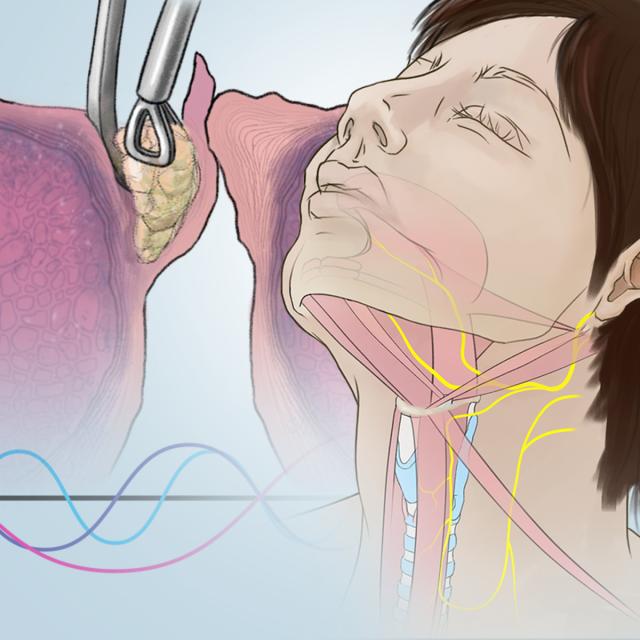
Knowledge regarding vocal production physiology and management options for voice disorders have experienced rapid growth over the past 40 years. This growth has resulted in a knowledge gap amongst patients and practitioners. Entirely new subspecialties of laryngology under otolaryngology and vocology under speech-language pathology have developed in response to this gap. This MOOC (Massive Open Online Course) is designed to educated patients, allied healthcare providers, vocal trainers/coaches, general medical practitioners and otolaryngologists.

Oct 26th 2026
5-12 Weeks
Service Transformed: Lessons in U.S. Veteran Centered Care (Coursera) Coursera
University of Michigan

Service Transformed: Lessons in U.S. Veteran Centered Care (Coursera)

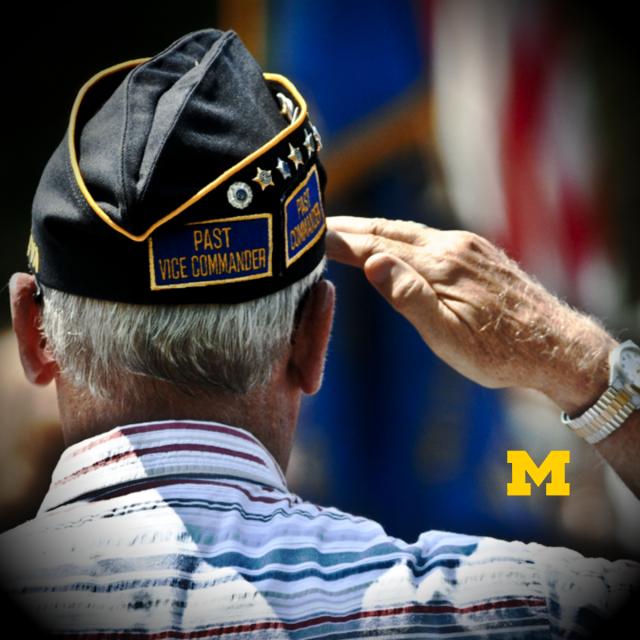
Improving health care for veterans has become a matter of national attention and has gained increasing attention from the medical community. With the current surge of veterans reintegrating into civilian society it is critical to improve the training of the next cadre of providers who will provide care for our veterans. It is widely known that veterans receive care in all aspects of the health system, thus providers in veteran focused care facilities, military health serves and civilian locals must be aware of the unique needs of veterans. It is perhaps even more important to educate civilian providers who may be unfamiliar with the unique physical, mental and emotional needs related to military service.

Oct 26th 2026
5-12 Weeks
Global Environmental Management (Coursera) Coursera
Technical University of Denmark - DTU

Global Environmental Management (Coursera)

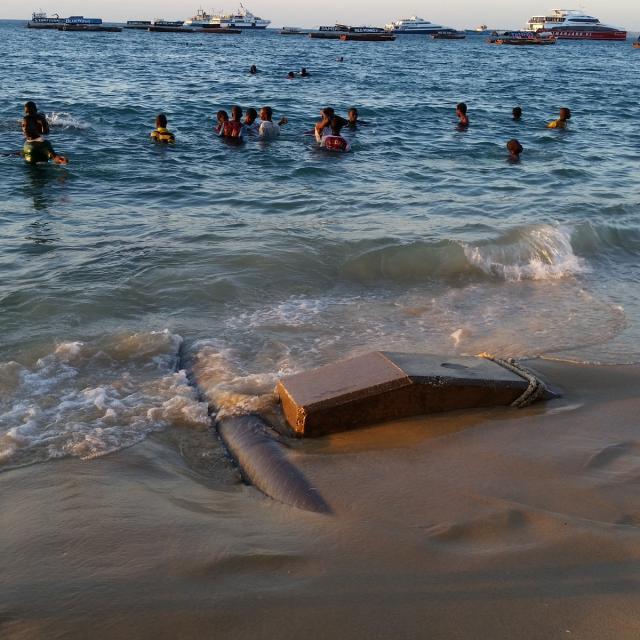
Learn about the best environmental technologies for a sustainable development and how they are managed in various settings around the world. This course gives you an opportunity to learn about global trends that influence our environment and the living conditions and how different management systems and approaches that are used around the world to manage the environment. This includes current environmental technologies built for the environment and technologies for sustainable soil management, groundwater protection methods and integrated Water resources management.

Oct 26th 2026
5-12 Weeks
Environmental Management & Ethics (Coursera) Coursera
Technical University of Denmark - DTU

Environmental Management & Ethics (Coursera)

Decision-makers often turn to scientists and engineers to assist them to navigate through complex environmental, health and societal challenges pervaded by systemic uncertainty, ambiguity and ethical implications. This course prepares you to meet the requests and demands of current and future decision-makers and in this course, you will analyze ethical challenges associated with environmental dilemmas and apply different decision making tools relevant to environmental management and regulation.

Oct 26th 2026
5-12 Weeks