Art of Ancient Egypt and the Ancient Near East (saylor.org)

Offered by Saylor.org,
Art of Ancient Egypt and the Ancient Near East (saylor.org)

This course serves as an introduction to the major artistic and architectural traditions of Ancient Egypt and the Ancient Near East. This course will explore how artifacts and monuments can be used to study the history and culture of the ancient world.

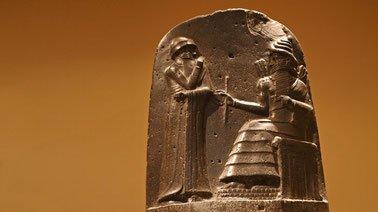
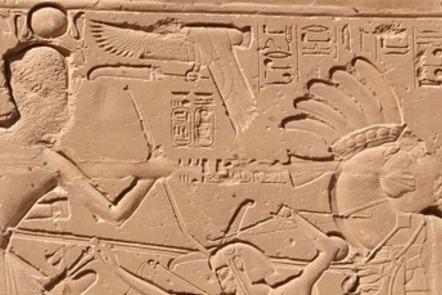
It is divided into two units that chronologically focus on the art, architecture, and archaeology of each region. The first unit examines Ancient Egyptian tombs, monuments, and art from the Early Dynastic (c. 3100-2650 BCE) through the Roman (30 BCE- 4thcentury CE) periods. The second unit focuses on Ancient Near Eastern artistic and architectural traditions from the late Neolithic (c. 9500-4500 BCE) through the conquest of the Achaemenid Persian Empire (550-330 BCE) by Alexander the Great.
After completing this course, you will be able to identify the major characteristics of Egyptian and Near Eastern art and architecture, more specifically what types of objects and buildings were made and used by Egyptians and Ancient Near Eastern peoples. You will also learn how ancient artifacts and monuments in particular, as well as art objects in general, can be used to understand larger political, cultural, religious, and economic structures.
Upon successful completion of this course, the student will be able to:

  • Identify major ancient Egyptian and Near Eastern architectural sites, monuments, and works of art.
  • Identify the general characteristics of ancient Egyptian and Near Eastern art and recognize the names and characteristics of the major art historical time periods of each region.
  • Describe how art and architecture can be used to understand the politics, history, and culture of Ancient Egypt and the Near East.
  • Explain ancient Egyptian and Near Eastern cosmology, conceptions of the afterlife, and kingship, as well as their relationship to architectural sites, monuments, and works of art.

Course Requirements: Have completed Art Appreciation and Techniques, Introduction to Western Art History—Pre-Historic to High Gothic, and Introduction to Western Art History—Proto-Renaissance to Contemporary Art.

Go to Class
MOOC List is learner-supported. When you buy through links on our site, we may earn an affiliate commission.

Related Courses

Pyramids of Giza: Ancient Egyptian Art and Archaeology (edX) EdX
HarvardX,Harvard University

Pyramids of Giza: Ancient Egyptian Art and Archaeology (edX)

Explore the archaeology, history, art, and hieroglyphs surrounding the famous Egyptian Pyramids at Giza. Learn about Old Kingdom pharaohs and elites, tombs, temples, the Sphinx, and how new technology is unlocking their secrets. Where is Giza? How were the Pyramids built? How did the cemeteries and hundreds of decorated tombs around them develop? What was Giza’s contribution to this first great age of ancient Egyptian civilization, the Old Kingdom?

Self Paced
Self-Paced
The Bible in Light of the Ancient Near East (edX) EdX
IsraelX

The Bible in Light of the Ancient Near East (edX)

This course is an introduction to the Bible, set against the background of the rich Archaeological findings from the Ancient Near East. The purpose of this course is to introduce you to the fascinating world of Israel’s neighboring civilizations in biblical times. It offers a comparative study that examines the relationship between the Bible and these civilizations.

Mar 14th 2023
5-12 Weeks
What Is Contemporary Art? (Coursera) Coursera
The Museum of Modern Art

What Is Contemporary Art? (Coursera)

What is contemporary art? In this course, you’ll consider this question through more than 70 works of art made between 1980 and the present, with a focus on art from the past decade. You’ll hear directly from artists, architects, and designers from around the globe about their creative processes, materials, and inspiration.

Jun 22nd 2026
5-12 Weeks
O Real Paço Mafra: do Magnânimo ao Clemente (UAb) Universidade Aberta
Universidade Aberta

O Real Paço Mafra: do Magnânimo ao Clemente (UAb)

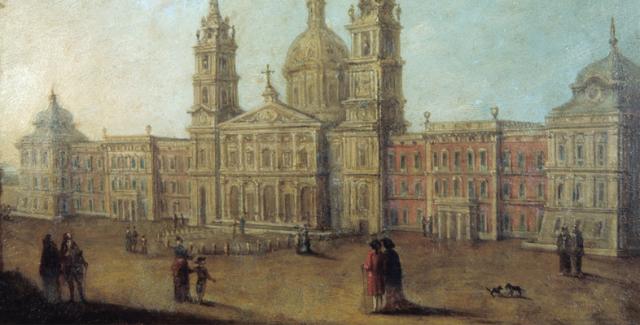
Erguido numa lógica de afirmação do poder real, o Real Paço de Mafra está intimamente ligado à figura de D. João V. Mas a adaptação a novos tempos, a evolução do gosto, o terramoto de 1755 e as campanhas de Napoleão vão determinar a forma como o Paço vai sendo (ou não) habitado ao longo do século XVIII. Outro monarca, D. João VI, deixará também a sua marca neste que era um dos seus Paços favoritos. Conheça neste curso esta e outras dimensões da história do Palácio.

Self Paced
Self-Paced
Warfare and Weapons in Ancient Egypt (Canvas net) Canvas Network
University of Manchester

Warfare and Weapons in Ancient Egypt (Canvas net)

Dynastic Egypt united in approximately 3100 B.C. It remained an independent land for much of its 3,000 year history, before becoming absorbed into the Roman Empire in 30 B.C. This course, led by expert Egyptologist and author, Dr. Joyce Tyldesley, explores the art, archaeology, and technology of Egyptian warfare and weapons from the Predynastic Period (Dynasty 0) to the end of the New Kingdom (Dynasty 20).

Jan 11th 2016
4 Weeks
Women in Arts: From 1900 until today (FutureLearn) FutureLearn
Centre Pompidou

Women in Arts: From 1900 until today (FutureLearn)

Discover the women creators who shaped modern and contemporary art and those who continue to make huge impacts today. Delve into art history through the extraordinary works of women artists. On this seven-week course, you’ll journey through an alternative history of modern and contemporary art – one that is centred on the brilliant women creators in the movement.

Nov 15th 2021
5-12 Weeks
El Valle de los Reyes (Coursera) Coursera
Universitat Autònoma de Barcelona

El Valle de los Reyes (Coursera)

Este curso va dirigido a todos los amantes de la historia y arqueología, en general, y de manera particular a todos los interesados en egiptología, independientemente de su nivel de conocimiento inicial. El Valle de los Reyes constituye uno de los yacimientos arqueológicos más importantes de Egipto y su estudio, desde diferentes enfoques, resulta muy atractivo para cualquier aficionado o profesional de la egiptología. Con este curso nos proponemos conocer su historia y evolución a lo largo de las dinastías XVIII-XX del Reino Nuevo egipcio, desde su origen hasta su abandono y desmantelamiento.

Jun 8th 2026
5-12 Weeks