Art Historical Methodologies (saylor.org)

Offered by Saylor.org,
Art Historical Methodologies (saylor.org)

This course is an introduction to the major methodologies that have been and are used by art historians.

Although not a history of art history per se, it is organized in a roughly chronological order that traces major methodological developments within the discipline from the birth of art history in the nineteenth century through the late twentieth century. By focusing on several outstanding historical and critical readings, as well as secondary discussions of different types of art historical analysis, the student will be introduced to some of the major methodologies that have shaped the field: formalism, biographical analysis, connoisseurship, technical analysis, iconographical analysis, psychoanalysis, Marxism and the social history of art, feminism, post-colonialism, and semiotics. The course will also examine how artworks are displayed in modern art museums.
After completing this course, you will be able to explain the strengths and weaknesses of different art historical methodologies and explain how they can be used to analyze works of art.
Upon successful completion of this course, the student will be able to:

  • Explain what art historians study and what kinds of questions they ask about works of art.
  • Identify major art historical methodologies and their associated theories and theorists.
  • Write a critical summary of a piece of art historical scholarship.
  • Explain the major aspects of the methodological approaches outlined in this course and how they relate to the philosophical, historical, and social context in which they first appeared.
  • Explain how different methodologies can be used to analyze works of art.
  • Compare and contrast major art historical methodologies.
  • Use different art historical approaches to interpret, analyze, and write about works of art.

Course Requirements: Have completed Art Appreciation and Techniques, Introduction to Western Art History—Pre-Historic to High Gothic, and Introduction to Western Art History—Proto-Renaissance to Contemporary Art.

Go to Class
MOOC List is learner-supported. When you buy through links on our site, we may earn an affiliate commission.

Related Courses

Western and Chinese Art: Masters and Classics (edX) EdX
Tsinghua University,TsinghuaX

Western and Chinese Art: Masters and Classics (edX)

From da Vinci to Zhang Xu, Wu Daozi and Warhol, explore immortal works of Western and Chinese art and gain an appreciation of culture, history and civilization. Throughout human history, art has served as a window into current events, traditions, societies and culture. And, Chinese and Western civilizations have produced some of the most famous artworks by world-renowned artists.

Self Paced
Self-Paced
American Art (saylor.org) Saylor Academy
Saylor.org

American Art (saylor.org)

This course surveys art of America from the colonial era through the post-war 20th century. We will consider broad stylistic tendencies in various regions and periods and examine specific artists and works of art in historical and social contexts, with emphasis on the congruent evolution of contemporary American multi-cultural identity.

Legacy Course
Self-Paced
What Is Contemporary Art? (Coursera) Coursera
The Museum of Modern Art

What Is Contemporary Art? (Coursera)

What is contemporary art? In this course, you’ll consider this question through more than 70 works of art made between 1980 and the present, with a focus on art from the past decade. You’ll hear directly from artists, architects, and designers from around the globe about their creative processes, materials, and inspiration.

Jun 22nd 2026
5-12 Weeks
Art of Ancient Greece and Rome (saylor.org) Saylor Academy
Saylor.org

Art of Ancient Greece and Rome (saylor.org)

In this course, we will study the art of Classical Antiquity. The different units of the course reflect the main chronological stages in art development in Ancient Greece and Rome, from the coming together of the Greek city-state and the emergence of “geometric art” (around 900 B.C.) to the fourth century A.D. shift that took place within Roman culture and art due to the growing influence of Christianity.

Legacy Course
Self-Paced
Wonders of Ancient Egypt (Coursera) Coursera
University of Pennsylvania

Wonders of Ancient Egypt (Coursera)

Colossal pyramids, imposing temples, golden treasures, enigmatic hieroglyphs, powerful pharaohs, strange gods, and mysterious mummies are features of Ancient Egyptian culture that have fascinated people over the millennia. The Bible refers to its gods, rulers, and pyramids. Neighboring cultures in the ancient Near East and Mediterranean wrote about its god-like kings and its seemingly endless supply of gold. The Greeks and Romans describe aspects of Egypt's culture and history.

Jun 8th 2026
5-12 Weeks
Women in Arts: From 1900 until today (FutureLearn) FutureLearn
Centre Pompidou

Women in Arts: From 1900 until today (FutureLearn)

Discover the women creators who shaped modern and contemporary art and those who continue to make huge impacts today. Delve into art history through the extraordinary works of women artists. On this seven-week course, you’ll journey through an alternative history of modern and contemporary art – one that is centred on the brilliant women creators in the movement.

Nov 15th 2021
5-12 Weeks
Ancient topography, relief and technical analysis of ancient monuments (UNINETTUNO) UNINETTUNO OpenupEd
International Telematic University UNINETTUNO

Ancient topography, relief and technical analysis of ancient monuments (UNINETTUNO)

The course aims to define the goals and the systematic methodological research related to a discipline of historical and archaeological area, such as the Ancient Topography, Survey and technical analysis of ancient monuments, in order to reconstruct the shape and meaning of the ancient anthropic contexts, through the traces that remain in modern urban landscapes.

Self Paced Course - Start anytime
Self-Paced
O Real Paço Mafra: do Magnânimo ao Clemente (UAb) Universidade Aberta
Universidade Aberta

O Real Paço Mafra: do Magnânimo ao Clemente (UAb)

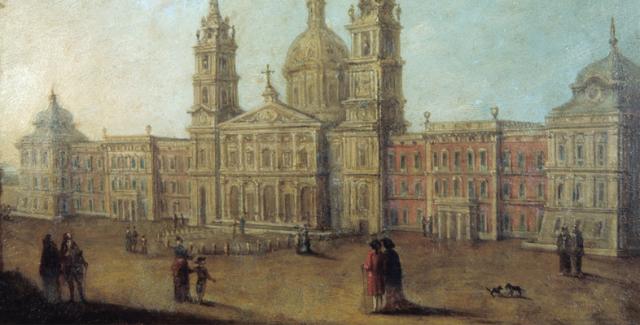
Erguido numa lógica de afirmação do poder real, o Real Paço de Mafra está intimamente ligado à figura de D. João V. Mas a adaptação a novos tempos, a evolução do gosto, o terramoto de 1755 e as campanhas de Napoleão vão determinar a forma como o Paço vai sendo (ou não) habitado ao longo do século XVIII. Outro monarca, D. João VI, deixará também a sua marca neste que era um dos seus Paços favoritos. Conheça neste curso esta e outras dimensões da história do Palácio.

Self Paced
Self-Paced
Software Development Processes and Methodologies (Coursera) Coursera
University of Minnesota

Software Development Processes and Methodologies (Coursera)

Software is quickly becoming integral part of human life as we see more and more automation and technical advancements. Just like we expect car to work all the time and can't afford to break or reboot unexpectedly, software industry needs to continue to learn better way to build software if it were to become integral part of human life.

Jun 22nd 2026
4 Weeks
Words Spun Out of Images: Visual and Literary Culture in Nineteenth Century Japan (Coursera) Coursera
The University of Tokyo

Words Spun Out of Images: Visual and Literary Culture in Nineteenth Century Japan (Coursera)

In their ambition to capture “real life,” Japanese painters, poets, novelists and photographers of the nineteenth century collaborated in ways seldom explored by their European contemporaries. This course offers learners the chance to encounter and appreciate behavior, moral standards and some of the material conditions surrounding Japanese artists in the nineteenth century, in order to renew our assumptions about what artistic “realism” is and what it meant.

Jun 15th 2026
4 Weeks