Anatomy & Physiology: Regulation, Integration, & Control (Coursera)

Offered by Rice University,
Anatomy & Physiology: Regulation, Integration, & Control (Coursera)

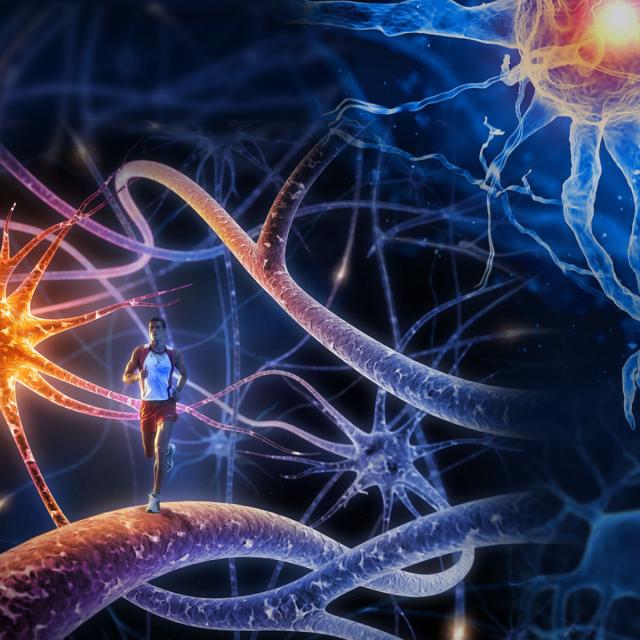
This course continues the systems-based approach to human anatomy and physiology at the organ, organ system, and organism level. Two major body systems related to regulation and integration of information will be explored in detail: the nervous and endocrine systems. Course material will cover both the structure (anatomy) and function (physiology) of each system with direct application to human development and disease.

Class Deals by MOOC List - Click here and see Coursera's Active Discounts, Deals, and Promo Codes.

Syllabus

WEEK 1
Welcome to Regulation, Integration, & Control
The Nervous System - Introduction & Anatomy

WEEK 2
The Nervous System - Details, Diseases, & Disorders

WEEK 3
The Endocrine System
Course Final Assessments & Summary

Go to Class
MOOC List is learner-supported. When you buy through links on our site, we may earn an affiliate commission.
Related Courses

Biomedical Visualisation (Coursera) Coursera
University of Glasgow

Biomedical Visualisation (Coursera)

Visualisation is a rapidly progressive specialty in academia, research and industry, and becoming the future of science. With the advancement of digital technologies and their applications, biomedical visualisation is an evolving and popular field. With new techniques and technologies to image, process and analyse data related to the human body, and its biological processes, it is at the forefront of the digital revolution.

Jun 15th 2026
4 Weeks
Digestion, Micturition, and Reproduction (Coursera) Coursera
MedCerts

Digestion, Micturition, and Reproduction (Coursera)

In this course on Digestion, Micturition, and Reproduction, you will learn about the wonderful diversity of the digestive, urinary, and reproductive systems and the medical language that is used to describe these systems. Throughout each Lesson, the roots of terms are explained to help students understand how medical terminology works in healthcare and to increase their knowledge and understanding of the material discussed.

Oct 19th 2026
3 Weeks
Advanced Neurobiology I (Coursera) Coursera
Peking University

Advanced Neurobiology I (Coursera)

Hello everyone! Welcome to advanced neurobiology! Neuroscience is a wonderful branch of science on how our brain perceives the external world, how our brain thinks, how our brain responds to the outside of the world, and how during disease or aging the neuronal connections deteriorate. We’re trying to understand the molecular, cellular nature and the circuitry arrangement of how nervous system works.

Oct 19th 2026
5-12 Weeks
The Skin, Bones, and Muscles (Coursera) Coursera
MedCerts

The Skin, Bones, and Muscles (Coursera)

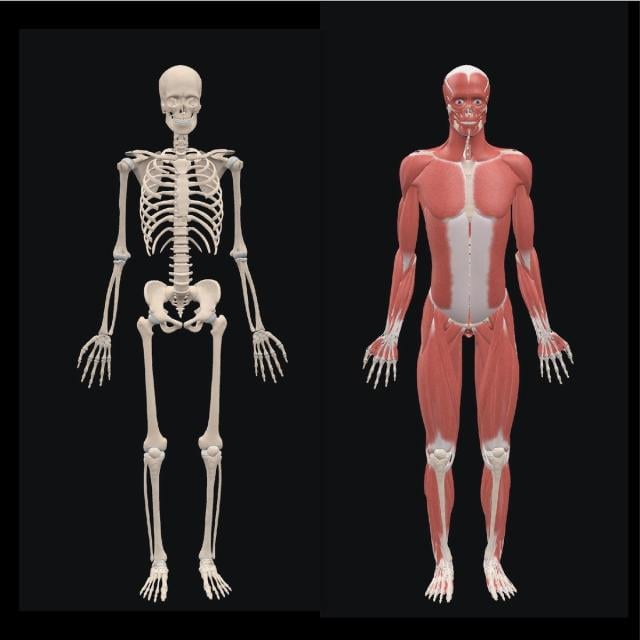
In this course on The Skin, Bones, and Muscles, you will learn about the wonderful diversity of the integumentary, skeletal, and muscular systems and the medical language that is used to describe these systems. Throughout each Lesson, the roots of terms are explained to help students understand how medical terminology works in healthcare and to increase their knowledge and understanding of the material discussed.

Oct 19th 2026
3 Weeks
Non-Alcoholic Fatty Liver Disease – The Essentials (Coursera) Coursera
University of Copenhagen

Non-Alcoholic Fatty Liver Disease – The Essentials (Coursera)

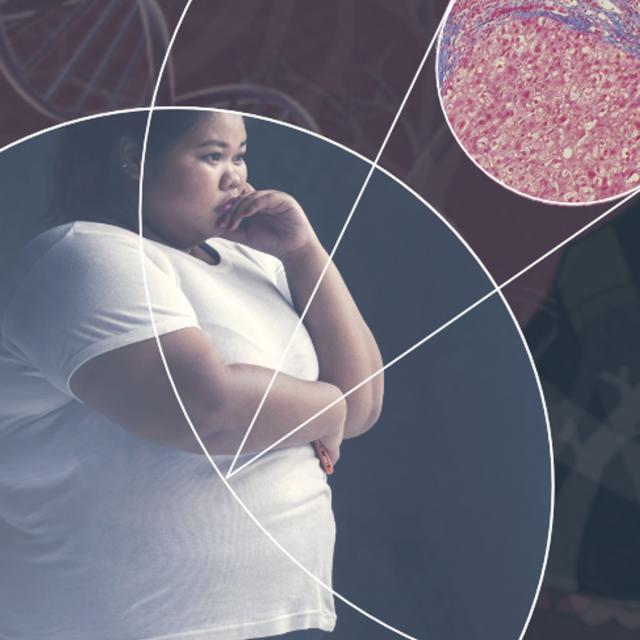
Non-Alcoholic Fatty Liver Disease (NAFLD) is a global problem, affecting up to 25% of all individuals. The disease not only increases the risk of liver disease, but also of cardiovascular disease and liver cancer. During this course, you will learn the essentials of NAFLD. We will begin with an introduction to the physiology of the human liver followed by epidemiology, pathophysiology, clinical medicine, and genetics. Diagnosing NAFLD based on blood tests, diagnostic imaging and histology will be discussed. Complications and treatment options will also be covered in this course including the link between NAFLD and the development of diabetes. Finally, experts will discuss data driven identification of new biomarkers by omics technologies.

Oct 12th 2026
5-12 Weeks
Medical Terminology and the Human Body Fundamentals (Coursera) Coursera
MedCerts

Medical Terminology and the Human Body Fundamentals (Coursera)

In this Introduction to Medical Terminology and the Human Body course, you will learn about the medical language that is used to describe the human body. Throughout each Lesson, the roots of terms are explained to help students understand how medical terminology works in healthcare and to increase their knowledge and understanding of the material discussed.

Oct 12th 2026
4 Weeks
Developing the SIR Model (Coursera) Coursera
Imperial College London

Developing the SIR Model (Coursera)

Compartmental modelling is a cornerstone of mathematical modelling of infectious diseases and this course will introduce some of the basic concepts in building compartmental models, including how to interpret and represent rates, durations and proportions. You'll learn to place the mathematics to one side and concentrate on gaining intuition into the behaviour of a simple epidemic, and be introduced to further basic concepts of infectious disease epidemiology, such as the basic reproduction number (R0) and its implications for infectious disease dynamics.

Oct 19th 2026
4 Weeks
Visualizing the Living Body: Diagnostic Imaging (Coursera) Coursera
Yale University

Visualizing the Living Body: Diagnostic Imaging (Coursera)

This course teaches learners the underlying principles behind conventional radiography, computerized axial tomography (CT), magnetic resonance imaging (MRI), and ultrasound. The radiology of chest, abdomen, pelvis, extremities, spine and brain are taught in this course using a combination of lectures and extensive practical activities and assessments.

Oct 19th 2026
5-12 Weeks