Colonialism

Filter Courses within "Colonialism" (Click to filter)
African development – from the past to the present (Coursera) Coursera
Lund University

African development – from the past to the present (Coursera)

Discover how Africa has evolved economically over centuries in 'African Development: From Past to Present'. This course takes you on an enlightening journey through Sub-Saharan Africa’s history, examining the influences of pre-colonial societies, colonial rule, post-independence liberalization, and contemporary challenges. Gain insights into the factors that have shaped modern-day Africa and explore future prospects for the continent.


Jun 1st 2026
5-12 Weeks
Indigeneity as a Global Concept (FutureLearn) FutureLearn
The University of Newcastle, Australia

Indigeneity as a Global Concept (FutureLearn)

Dive into the fascinating world of indigenous cultures with 'Indigeneity as a Global Concept'. This FutureLearn course offers an in-depth exploration of the contemporary social, cultural, economic, and political situations faced by indigenous peoples globally. Over three weeks, you'll gain valuable insights into their diverse experiences and contributions to our interconnected world.

Jul 19th 2021
3 Weeks
First Peoples to the Early Republic: Born in Colonialism (Canvas.net) Canvas Network
Seattle Central Community College

First Peoples to the Early Republic: Born in Colonialism (Canvas.net)

Embark on a journey through history with 'First Peoples to the Early Republic: Born in Colonialism.' This course offers an insightful exploration of Native American cultures under colonial influence, European colonization efforts, particularly by the British in North America. You'll also uncover the pivotal events leading up to and following the War for Independence against Britain, including the framing of the U.S. Constitution and the emergence of political parties during the early republic era.

No sessions available
No Information
Comparative New Worlds, 1400-1750 (saylor.org) Saylor Academy
Saylor.org

Comparative New Worlds, 1400-1750 (saylor.org)

Dive into a comprehensive study of New World societies with our Comparative New Worlds course spanning 1400-1750. This course offers an in-depth look at the interactions between Europeans and native peoples, as well as the profound changes that took place during this transformative period.

Legacy Course
Self-Paced
Great South Land: Introducing Australian history (FutureLearn) FutureLearn
The University of Newcastle, Australia

Great South Land: Introducing Australian history (FutureLearn)

Embark on a captivating journey through Australian history with 'Great South Land: Introducing Australian History' – a FutureLearn course designed to unravel the intricate layers of Australia’s past. From the deep time of Aboriginal history to the tumultuous periods of convictism and colonialism, this course provides an enlightening overview of key historical themes.

No sessions available
3 Weeks
Chinese Culture: Interaction (edX) EdX
The Hong Kong Polytechnic University,HKPolyUx

Chinese Culture: Interaction (edX)

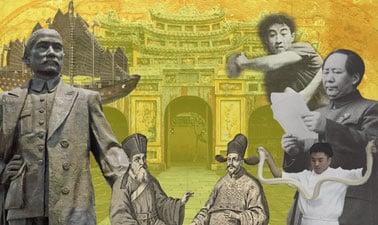
Dive into a captivating journey through time as you explore five intriguing facets of Chinese cultural interaction in history with 'Chinese Culture: Interaction'. This course, part of the HKPolyUx series on Chinese culture, offers insights into China's relationships with the West, Central Asia, Vietnam, colonialism and anti-colonial movements, and the evolution of Chinese cuisine. Perfect for enthusiasts and scholars alike.

Self Paced
Self-Paced
Casing the Joint: Introducing Histories of Crime (FutureLearn) FutureLearn
The University of Newcastle, Australia

Casing the Joint: Introducing Histories of Crime (FutureLearn)

Dive deep into the rich tapestry of Australian history as you explore the study of crime and punishment in this engaging online course. From the early days of colonization to contemporary times, 'Casing the Joint: Introducing Histories of Crime' offers a unique perspective on how crime has influenced our society.

No sessions available
3 Weeks
Page 1 Next ›