Yu Zhang

Dr. Yu Zhang received her Ph.D. from the Department of East Asian Languages and Cultures at Stanford University. Her research interests include modern and contemporary Chinese literature and culture, the cultural politics of representing work in contemporary China, the literary and cultural interactions within the Sinosphere, Chinese revolutionary and socialist culture as well as the intersection of technology and modern Chinese culture. Her first book, Going to the Countryside: The Rural in Modern Chinese Cultural Imagination (1915-1965) (2020), examines the cultural practices and representations of “going to the countryside” in modern China. This modern experience of spatial crossing was intertwined with the larger discourses of enlightenment, revolution and socialist industrialization. It demonstrates how cultural representations of the countryside in modern China have constructed the rural as a distinct modern experiential and aesthetic realm characterized by revolutionary changes in human conceptions and sentiments.
She is currently working on two new projects: the first one focuses on the cultural politics of representing work (gongzuo) in contemporary China when the notions of service and labor underwent dramatic redefinitions and when the rise of artificial intelligence anticipates the coming of the post-work age; and the second one examines the flow of literary and cultural products from Hong Kong and Taiwan into mainland China as part of the cultural reorientation in post-Mao China.

Filter Courses within "Yu Zhang" (Click to filter)
Chinese Culture: Transformation (edX) EdX
The Hong Kong Polytechnic University,HKPolyUx

Chinese Culture: Transformation (edX)

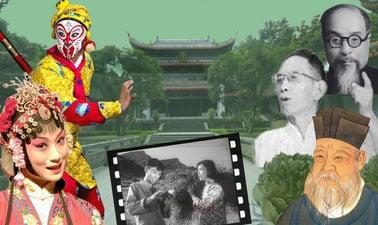
Discover the captivating evolution of Chinese culture across various dimensions with our 'Chinese Culture: Transformation' course. This engaging program offers an in-depth look at five pivotal aspects that have shaped modern China's cultural landscape. From the influential Four Great Classical Chinese Novels to the artistry of Chinese opera and the intellectual developments within private Confucian academies, this course provides a unique perspective on China's rich history. Delve into New Confucianism's emergence in the 20th century and examine gender politics in early New China. Join us for an enlightening journey through the transformation of Chinese culture.

Self Paced
Self-Paced
Page 1