TARGET Antibiotics – Prescribing in Primary Care (FutureLearn)

TARGET Antibiotics – Prescribing in Primary Care (FutureLearn)

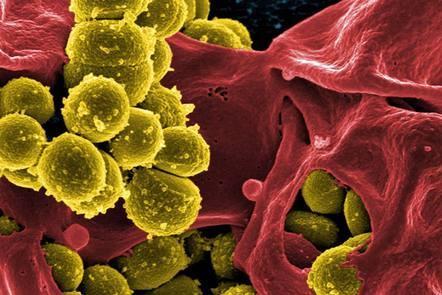
Helping primary care professionals to target the use of antibiotics to reduce antimicrobial resistance. Discover ideas about how to optimise prescribing in Primary Care. Antimicrobial resistance is a growing problem and everyone can play a part in tackling this issue. This course will look at many aspects of antibiotic prescribing in Primary Care from prescribing for urinary tract infections through to managing patient expectations.

Class Deals by MOOC List - Click here and see FutureLearn's Active Discounts, Deals, and Promo Codes.

By the end of the course you will have an understanding of how to apply practical antimicrobial stewardship strategies in your practice.

What topics will you cover?
The course will cover:

  • Introduction to Antimicrobial Resistance in Primary Care
  • Prescribing in Urinary Tract Infections
  • Assessing the Need for Antibiotics
  • Managing Patient Expectations and Back up/Delayed Prescribing
  • Antibiotics for Children
  • Common Practice Approach

Learning on this course
You can take this self-guided course and learn at your own pace. On every step of the course you can meet other learners, share your ideas and join in with active discussions in the comments.

What will you achieve?
By the end of the course, you'll be able to...

  • Explore data sources to understand your practice antibiotic usage and tips for conducting an audit
  • Improve prescribing practice for patients with suspected Urinary Tract Infections
  • Discuss ways to manage patient expectations with regard to antibiotic prescriptions
  • Identify ways in which back up prescribing can assist your practice
  • Evaluate approaches to the prescribing of antibiotics for children
  • Demonstrate the value of a whole team approach to antimicrobial stewardship
  • Assess the importance of antimicrobial stewardship

Who is the course for?
This course is aimed at primary care healthcare professionals who are involved in the treatment of common infections.

Go to Class
MOOC List is learner-supported. When you buy through links on our site, we may earn an affiliate commission.

Related Courses

Managing Change in a Healthcare Environment (FutureLearn) FutureLearn
University of East Anglia

Managing Change in a Healthcare Environment (FutureLearn)

Understand why change happens in healthcare environments and learn how to improve your response. In rapidly changing world, with new healthcare roles emerging and the complexity of care increasing, being able to respond to change is vital. On this course for healthcare professionals, you will explore the issue of change in healthcare environments, and learn how to improve your response to change.

Self Paced
3 Weeks
Causes of Human Disease: Exploring Cancer and Genetic Disease (FutureLearn) FutureLearn
University of Leeds

Causes of Human Disease: Exploring Cancer and Genetic Disease (FutureLearn)

Explore how the unravelling of genetic code has led to a deeper understanding of genetic diseases and cancer. It’s widely known that some diseases run in families. The discovery of the structure of DNA and the unravelling of the genetic code has led to a deeper understanding of such diseases. We now know more about the genetic basis of cancer and how cancer cells are formed and reproduce. On this course you’ll explore the structure of DNA, its processes and learn how genetic disease results from DNA alterations.

Self Paced
2 Weeks
Liver Disease: Looking After Your Liver (FutureLearn) FutureLearn
University of Birmingham

Liver Disease: Looking After Your Liver (FutureLearn)

Learn about how your liver works, ways to look after it and how liver damage is caused, studied and treated around the world. We are currently experiencing an international explosion of liver disease that continues to have enormous impact upon healthcare systems and global health. In the UK we have seen a 20% increase in deaths related to liver disease since 2000 and this pattern reflects the global situation.

Self Paced
3 Weeks
Causes of Human Disease: Understanding Cardiovascular Disease (FutureLearn) FutureLearn
University of Leeds

Causes of Human Disease: Understanding Cardiovascular Disease (FutureLearn)

Explore normal cardiovascular function and risk factors associated with heart attack, stroke and other cardiovascular diseases. Cardiovascular diseases are the leading global cause of death. On this course, you’ll learn how the cardiovascular system functions and understand common cardiovascular diseases like heart attack and stroke, as well as the risk factors associated with them.

Self Paced
2 Weeks
Quality Improvement in Healthcare: the Case for Change (FutureLearn) FutureLearn
University of Bath

Quality Improvement in Healthcare: the Case for Change (FutureLearn)

Explore new and better ways of organising health and social care services, to improve quality, with this free online course. Why is quality improvement in health and social care systems so difficult? Why is it so challenging to bring in new and better ways of organising health and social care services? Many reasons have been put forward: lack of money; lack of knowledge about either the actual quality of care delivered, or resistance to making changes to long-established ways of working; excessive and sometimes misunderstood regulations; and professional opinions and interests that are hard to influence when systems are working at or beyond capacity.

Self Paced
5-12 Weeks
Challenges in Antibiotic Resistance: Point Prevalence Surveys (FutureLearn) FutureLearn
British Society for Antimicrobial Chemotherapy - BSAC

Challenges in Antibiotic Resistance: Point Prevalence Surveys (FutureLearn)

Learn how to use Point Prevalence Surveys (PPS) to measure antibiotic consumption and fight antimicrobial resistance. Point Prevalence Surveys (PPS) are an important tool for healthcare professionals to use to assess and improve antibiotic prescribing locally, nationally and globally. This online course - led by experts from the British Society for Antimicrobial Chemotherapy (BSAC) - looks at their use. You’ll discover the importance of measuring antibiotic consumption and how PPS can help.

Self Paced
2 Weeks
Introduction to Emergency Contraception (FutureLearn) FutureLearn
University of East Anglia

Introduction to Emergency Contraception (FutureLearn)

Understand emergency contraception and the choices available with this course for people working in healthcare and related fields. Emergency contraception can be confusing, with different types available and public understanding sometimes limited. On this course you will master the basics of emergency contraception: learning about the different types of post-coital contraception, exploring clinical guideliness; and working out which type of contraception is appropriate in different situations.

Self Paced
3 Weeks