From Swab to Server: Testing, Sequencing, and Sharing During a Pandemic (FutureLearn)

From Swab to Server: Testing, Sequencing, and Sharing During a Pandemic (FutureLearn)

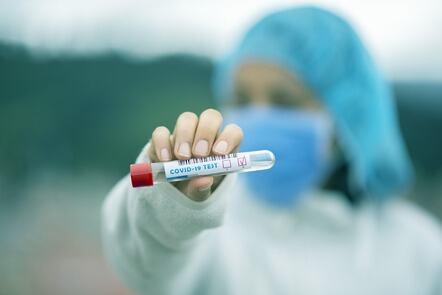
Discover the process of how swab samples become critical data that aid the knowledge and understanding of the spread of disease. Explore the journey from swabbing to processing data. Sampling and testing are key to understanding where a disease is spreading. In the COVID-19 pandemic, the number of samples taken, analysed, tracked, and shared have far surpassed any previous pandemic.

Class Deals by MOOC List - Click here and see FutureLearn's Active Discounts, Deals, and Promo Codes.

On this three-week course from COG-Train, you will learn about the process that samples undergo to become datasets. You’ll also gain the knowledge of how this data is handled in order to satisfy public health concerns during a pandemic.

Discover how sample strategies can affect scientific research and results
Sampling is a critical part of research in any field. In studying a disease such as Covid-19, it’s imperative that your sample and sampling methods are best-suited to reflect accurate results.
Supported by expert educators, you will explore different sample methods to examine their efficacy. With this knowledge, you’ll be equipped to discuss sampling strategies and their correct applications.

Delve into the ethics of data sharing on a pandemic scale
Data from samples provides scientists with the essential information they need to analyse and track a disease.
However, this sample data can contain highly personal information about the population. You’ll discuss the ethical implications of using and sharing data and consider methods of protecting personal information.

Recognise the importance of data sharing and linkage in public health concerns
Linking genomic data sets to clinical and epidemiological data sets can help us understand the effects of different variants, which is especially prevalent for Covid-19.
With the help of COG-Train, you’ll learn to create holistic datasets through linkage. With this knowledge, you’ll further your understanding of Covid-19 and use your findings to address concerns related to public health.

Syllabus

Week 1: The journey of a sample
Week 2: How to make data richer
Week 3: A sample without data is nothing

What will you achieve?
By the end of the course, you‘ll be able to...

  • Outline the journey from sample collection, through PCR to sequencing and data linkage
  • Compare the different sample types and how sampling strategy affects test performance
  • Explain the importance of linking genomic data to clinical and epidemiological data sets to address public health and scientific questions
  • Identify and explore ethical, legal and social implications of data use and sharing

Who is the course for?
This course is designed for diagnostic and healthcare professionals, as well as anyone involved in the testing and analysis of disease samples.
It will also be advantageous to researchers specialising in the fields of pandemics, diseases, and diagnostics.

Go to Class
MOOC List is learner-supported. When you buy through links on our site, we may earn an affiliate commission.

Related Courses

Protección de la infancia durante la COVID-19 y otros brotes de enfermedades infecciosas (FutureLearn) FutureLearn
The Alliance for Child Protection in Humanitarian Action

Protección de la infancia durante la COVID-19 y otros brotes de enfermedades infecciosas (FutureLearn)

Cómo adaptar los programas de protección de la infancia para apoyar el bienestar y el desarrollo de los niños y niñas vulnerables. Ajustar los programas de protección de la infancia en el contexto de la COVID-19. Este curso proporcionará a los profesionales de la protección de la infancia conocimientos y habilidades para implementar estrategias de prevención y respuesta ante crisis, sobre la base de datos empíricos, a fin de proteger a los niños y niñas durante los brotes de COVID-19 y otras enfermedades infecciosas.

Jun 21st 2021
5-12 Weeks
Understanding Food Supply Chains in a Time of Crisis (FutureLearn) FutureLearn
Queen’s University Belfast,EIT Food,EIT

Understanding Food Supply Chains in a Time of Crisis (FutureLearn)

Learn how agri-food supply chains deal with crises and get practical advice on how you can minimise disruption during COVID-19. Explore contingency plans for ensuring food security during COVID-19 in Europe. Movement restrictions imposed due to the coronavirus are leading to an increase in food stockpiling, and there are concerns the agri-food supply chain won’t keep up with demand.

Jan 2nd 2023
2 Weeks
Supporting young people’s mental wellbeing post-COVID (FutureLearn) FutureLearn
University of Glasgow

Supporting young people’s mental wellbeing post-COVID (FutureLearn)

Reflect on how the COVID pandemic may have impacted young people’s mental wellbeing and explore ways to support them. Learn how the trauma of COVID can impact emotional development in children. In a post-COVID world, understanding how adversity affects a child’s brain development is more important than ever. On this two-week course, you’ll discover how the collective trauma of the pandemic has affected young people’s emotional wellbeing and how we can support them emotionally and socially.

Jun 20th 2022
2 Weeks
Pathogen Genomics: A New Era in Global Health Surveillance and Strategy (FutureLearn) FutureLearn
Wellcome Connecting Science,COG-Train

Pathogen Genomics: A New Era in Global Health Surveillance and Strategy (FutureLearn)

Learn how genomics can help contain infectious diseases, prevent future global health threats, and better protect public health. On this three-week course taught by experts in pathogen genomics and epidemiology, you’ll review recent developments in genomic surveillance, and explore how these could inform public health actions.

Mar 6th 2023
3 Weeks
The Power of Genomics to Understand the COVID-19 Pandemic (FutureLearn) FutureLearn
Wellcome Connecting Science,COG-Train

The Power of Genomics to Understand the COVID-19 Pandemic (FutureLearn)

Gain insights into tracking, treating, preventing, and preparing for pandemics through genome sequencing and data sharing. See how viral genomics can improve the response to COVID-19 and future pandemics. Genomics is crucial in understanding and responding to pandemics, including COVID-19. On this three-week course, you’ll learn key concepts in viral genomics, how they can be applied to the COVID-19 pandemic, and how they can help us prepare for future pandemics.

Jul 4th 2022
3 Weeks
A History of Public Health in Post-War Britain (FutureLearn) FutureLearn
London School of Hygiene & Tropical Medicine

A History of Public Health in Post-War Britain (FutureLearn)

Understand where public health has come from, why it looks the way it does today and where it might go next. History can offer us a unique insight into the public health problems, policies, and practices of the past, and is of critical importance to our understanding of healthcare in the contemporary world. This online course will offer you an opportunity to bring the past into conversation with the present, enabling you to set the changing nature of public health in post-war Britain in context with changes seen today.

Available now
3 Weeks
Geohealth: Improving Public Health through Geographic Information (FutureLearn) FutureLearn
University of Twente

Geohealth: Improving Public Health through Geographic Information (FutureLearn)

Explore how spatial data and geographic information systems (GIS) can be used to understand and improve public health. The environment in which we live and work can have a profound effect on our health – an effect that is explored by the emerging field of geohealth. This free online course will introduce you to new developments in geohealth, looking at the latest thinking and methods for using spatial data and geographic information systems (GIS) in health settings.

No sessions available
4 Weeks
COVID-19: Understanding the Research Behind the Pandemic (FutureLearn) FutureLearn
University of Leeds,National Institute for Health Research - NIHR

COVID-19: Understanding the Research Behind the Pandemic (FutureLearn)

Discover how scientists responded to the pandemic and how they conduct innovative research to develop treatments and vaccines. Explore the critical role of research in responding to the COVID-19 pandemic. The outbreak of the COVID-19 pandemic took the world by surprise, causing a global health crisis. Reducing the spread of the disease and treating patients relied on how rapidly we could harness our research capabilities. This has led to developments that will change how we conduct future research.

Oct 4th 2021
2 Weeks
Procalcitonin: PCT as a Biomarker for Antimicrobial Stewardship (FutureLearn) FutureLearn
British Society for Antimicrobial Chemotherapy - BSAC

Procalcitonin: PCT as a Biomarker for Antimicrobial Stewardship (FutureLearn)

Learn about the clinical properties of procalcitonin, and discover its benefits in diagnostics and antimicrobial stewardship. Explore the various uses and benefits of PCT within the medical field. Procalcitonin (PCT) is a crucial biomarker in clinical diagnostics. Its wide usage in diagnosing infections and sepsis saves lives every day. Discover its various usage, benefits, and even its limitations on this course, that connects procalcitonin to antimicrobial stewardship.

Feb 8th 2021
3 Weeks
Diagnostics for AMR: Building Back Better from the COVID-19 Pandemic (FutureLearn) FutureLearn
London School of Hygiene & Tropical Medicine

Diagnostics for AMR: Building Back Better from the COVID-19 Pandemic (FutureLearn)

Gain insight into the global response to the COVID-19 pandemic, and how innovations can be used to leverage AMR diagnostics. What lessons can the antimicrobial (AMR) response take from COVID-19 events? As the world continues to deal with COVID-19, its impact on other public health issues must also be considered. This three-week course provides valuable insight into how COVID-19 affected different countries’ One Health efforts in general, and their antimicrobial resistance responses in particular.

Jan 10th 2022
3 Weeks