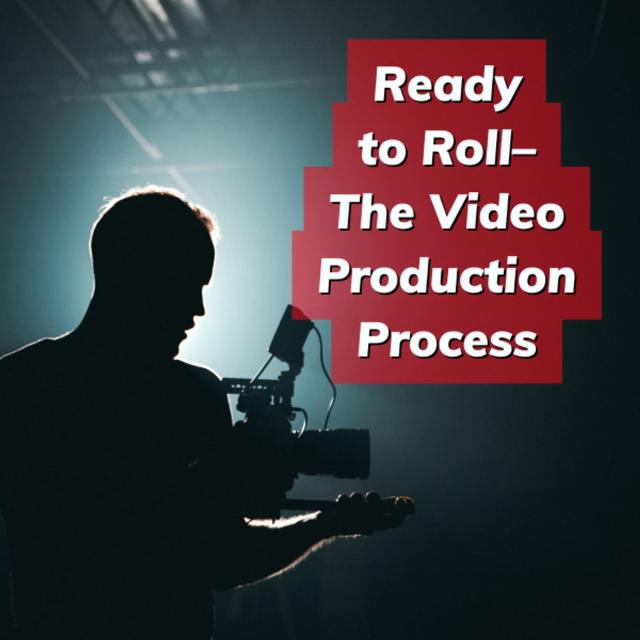
If you’ve done your pre-production thoroughly, then you should feel confident moving on to this next step — gathering the raw materials that you will use to build your visual story. These raw materials are your camera shots, including b-roll and interviews. The production stage is where you will finally collect the images and sound that will communicate directly to your audience. We’ll show you how to enhance your visual story by raising the quality of your shots: getting proper exposure, using the rule of thirds; and shooting sequences that promote continuity.
Class Deals by MOOC List - Click here and see Coursera's Active Discounts, Deals, and Promo Codes.
We’ll also cover the importance of sound in your production, from recording natural sounds to interviews. Would you like to add mood and atmosphere to your interviews? We’ll teach you how to light an interview to help your subject look their best. Think of your footage as visual evidence that shows, not just tells your story.
Course 2 of 3 in the The Art of Visual Storytelling Specialization.
What You Will Learn
- How to operate a prosumer camcorder in manual mode.
- How to identify certain shots and camera moves.
- To frame shots using the Rule of Thirds.
- To shoot Sequences that promote continuity.
Syllabus
WEEK 1
Setting Up
In this module, you will learn about the basic functions that are found in most prosumer camcorders, and how you can get the best shots possible. First we’re going to explain what the basic camcorder can do for you. We will show you how to operate the camcorder in automatic and manual modes. We’ll demonstrate the features found in most tripods; how to get level shots; and how to mount and dismount the camera. You will also get to know the terms we use to describe camera moves, and we’ll suggest some do’s and don'ts. The shaky camera makes its presence felt, which can be distracting to your audience. Finally, we’ll provide some pointers to help you stabilize the camera even when you use it hand-held.
WEEK 2
The Approach to Getting Shots
In this module you will learn more about the fundamental building block of visual storytelling - the shot. To know what shots to get you first need to know your story. We’ll introduce you to tools you can use to anticipate your shots in production, such as storyboards and shot lists. We’ll demonstrate what you should do when you arrive on location looking for the best angles, and why it’s important to “shoot and move.” We’ll show you how you can frame your shots, some do’s and don’t’s for using the zoom, and explain the value of the close up in your storytelling. You will learn about continuity and why it’s important to respect the “axis.” We’ll also share some pointers on getting the focus right, and introduce you to focus assist functions that are found in many camcorders.
WEEK 3
Writing with Light
Instead of using words, a visual story uses light. How to capture and control light is what good photography is all about. In this module, you will learn how to control the light that enters the lens, and how to reliably get the proper exposure. We’ll explain about the parts of a lens, the neutral density filter, the gain, shutter speed, and the iris. We’ll also share with you some exposure assists that are found in many camcorders. You will learn what it means to white balance to help you reproduce colours accurately. Additionally, we’ll introduce you to best practices when it comes to taking pictures on your smartphone, including apps that can extend your phone’s ability to shoot video. If you’re looking for a more economical way to shoot video, then this module will show you how to get the most out of your smartphone camera.
WEEK 4
Controlling What the Viewers See
Good composition pulls our eyes to the most important part of the shot. But bad composition can make your images appear weak, failing to convey energy and motion. In this module, we’ll share with you some pointers on how to compose your shots in ways that build interest. We’ll introduce you to the Rule of Thirds, and demonstrate how to find depth in your image, using leading lines that guide our eyes to the subject matter. Also, we’ll explain why interview shots play such a valuable role in your storytelling. Good interview compositions follow the rule of thirds somewhat rigidly, and if it’s not done right, these are the shots you might need to reshoot. We’ll share some pointers on how to get interview shots done right, in ways that engage our interest. Close-ups are the common way to frame interview shots, where the guest is seen in a three-quarter profile, and their eyes are level with the lens. We’ll also share some pointers on making the background appear more interesting and less distracting.
WEEK 5
Shooting for the Edit
Visual storytelling finds ways to transmit an experience by showing action as it progresses from one shot to the next. This progression is a way to heighten the viewer’s involvement in the story, and to sustain their interest. In this module, we’ll explain how sequences can make your stories more engaging to watch, how they promote continuity, and even compress the time it takes to complete a single action. The backbone of visual storytelling is the sequence, which consists of a variety of shots that show the same action from different perspectives. Sequences not only promote continuity but they will give your video that professional polish. Sequences are the bedrock of visual storytelling, and they will create a more efficient workflow to your editing. As a photographer it’s important to plan ahead for how you might edit the shots together, so that your editing will appear seamless and dynamic. Simply, as a photographer, think like an editor. We’ll explain how you can plan for your sequence, shooting with intention instead of getting footage of everything in sight. In other words, you shoot footage in roughly the same order that you might see the shots in their final edit. We’ll also share with you some strategies to “save the edits” by getting cutaway shots to solve continuity problems. Finally, we’ll show you ways you can shoot in-camera transitions that will make your edits look more dynamic.
WEEK 6
Getting Sound
Getting good audio is just as important as getting good video, if not more so. In this module, you will learn to identify what makes good audio and how to record it properly. You will learn the terms that describe audio quality and what can lead to audio problems. We’ll explain the most commonly used microphones, and why it’s important to use the right microphone for the right job. We’ll show you a few tricks to use when setting up interviews that will get you the audio results you want. We’ll describe the importance of clip-on microphones, how to prevent wind and other ambient noise from ruining your sound, and how to improvise your own audio booth for recording narration.
WEEK 7
Lighting the Shot
Lighting is as much an art as it is an exact science. Some extra lights will help your subjects look their best, free from unattractive shadows, flat lighting, and underexposure. In this module, we will teach you how to light your shots, most especially interviews using single-point, two-point and three-point lighting. We’ll explain the value of lighting, and how lighting can carry emotion. We’ll identify terms used to describe lighting, such as dark and bright light, high-key vs. low-key, and high-contrast vs. low-contrast. We’ll show you what a key light does and how lighting can achieve a sense of depth. We’ll also explain how lighting direction can make the image look more dramatic, and how to improvise using available lighting, including sunlight, and the ways you can mitigate harsh shadows using diffusion.