Preventing the Zika Virus: Understanding and Controlling the Aedes Mosquito (FutureLearn)

Preventing the Zika Virus: Understanding and Controlling the Aedes Mosquito (FutureLearn)

Discover the science behind the Zika outbreak to understand how it is spread and can be controlled. The Zika virus is suspected to be the cause of cases of microcephaly in newborns in South America, and this outbreak has now been declared a Public Health Emergency of International Concern by the World Health Organization. With global attention towards this disease increasing rapidly, it is becoming clear that there is limited knowledge around how the carriers, or vectors, of Zika, are best avoided and controlled.

Class Deals by MOOC List - Click here and see FutureLearn's Active Discounts, Deals, and Promo Codes.

Focus on the Zika virus
This free online course will begin by considering the science behind the outbreak to try to understand where the Zika virus has come from, its symptoms, and its effect on infected individuals. Our attention will then turn towards the vector primarily responsible for transmission of Zika: the Aedes mosquito.

Explore the biology of Aedes mosquitoes
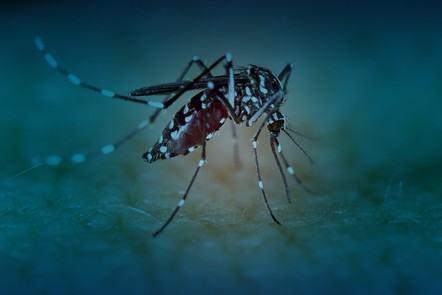
We will introduce the Aedes mosquito and examine its lifecycle, behaviour, and distribution across the world, before reflecting upon the important role it plays in spreading Zika virus. Without a vaccine, prevention and control relies on reducing numbers of mosquitoes and the contact they have with people, so an understanding of the biology of Aedes is vital.

Discover vector control methods
A range of methods employed to control the Aedes mosquito will be highlighted, including the use, importance, and suitability of repellents, impregnated clothing, larval control, insecticide spraying, and insecticide treated nets. The vectors of Zika virus also transmit dengue, yellow fever and the chikungunya virus, meaning there is potential to apply these techniques in other settings.

Learn together and from those on the front line in South America
Learners will come from all over the world with their own diverse experiences and interests. You will have the opportunity to exchange thoughts and ideas through course discussion, and hear first-hand accounts from experts and individuals working in the field in South America. Contributors include:

  • Dr Mary Cameron, Reader in Medical Entomology
  • Dr Jo Lines, Reader of Malaria Control and Vector Biology
  • Professor Laura Rodrigues, Professor of Infectious Disease Epidemiology and working with the Microcephaly Epidemic Research Group in Brazil
  • Professor Jimmy Whitworth, Professor of International Public Health.

What topics will you cover?

  • The origins and history of the Zika virus and 2015/16 outbreak, including an introduction to vector transmission
  • Symptoms, diagnosis, and treatment of Zika virus disease
  • Zika in the context of other vector-borne diseases globally and the world’s ability to prepare for epidemics
  • The Aedes mosquito and its lifecycle, behaviours, characteristics, and global distribution
  • The importance of counting and surveying mosquito populations
  • Vector control methods targeted towards immature and adult mosquitoes, in addition to the challenges faced and novel interventions
  • Current strategies for the control of Aedes and prevention of Zika
  • Areas in which future research and support efforts should be targeted.

Go to Class
MOOC List is learner-supported. When you buy through links on our site, we may earn an affiliate commission.

Related Courses

Tackling Antibiotic Resistance: What Should Dentists Do? (FutureLearn) FutureLearn
British Society for Antimicrobial Chemotherapy - BSAC,FDI World Dental Federation

Tackling Antibiotic Resistance: What Should Dentists Do? (FutureLearn)

Discover the danger posed by antibiotic resistance, and how dental teams can meet the challenge to protect patients. Explore how dentists can tackle the threat of global antibiotic resistance. Antibiotics are lifesaving drugs – when you need them, you need them to work. Antimicrobial resistance (AMR) poses a significant threat to health and wealth globally. Dental teams can do their bit by optimising the use of antibiotics. On this course, you’ll identify ways in which those involved in dental practice can do their bit to tackle antibiotic resistance (ABR).

May 11th 2026
3 Weeks
Safeguarding Adults: Level 3 Training (FutureLearn) FutureLearn
Health Education England

Safeguarding Adults: Level 3 Training (FutureLearn)

Learn how to ensure the successful safeguarding of adults with this training course from Health Education England. Explore professional safeguarding approaches to protect adults at risk. This course contributes towards the achievement of Level 3 Safeguarding competencies, as set out in Safeguarding for Adults: Roles and Competencies. On this course, you’ll build the skills to ensure people at risk of abuse and neglect receive the care and protection they need to stay safe and unharmed.

Dec 2nd 2024
3 Weeks
GRASP Best Practice Advice and Exercise Programme for Shoulder Pain (FutureLearn) FutureLearn
University of Exeter

GRASP Best Practice Advice and Exercise Programme for Shoulder Pain (FutureLearn)

Advice and exercise for rotator cuff related shoulder pain and improve your patients’ quality of life. Discover the benefits of the GRASP Best Practice Advice and Exercise Programme. Rotator cuff related shoulder pain is a common condition that causes impaired function. Regular exercise and advice play a crucial role in improving and managing pain and the ability to perform day-to-day activities. This two-week course for health professionals will introduce you to the GRASP (Getting it Right Addressing Shoulder Pain) Best Practice Advice and Exercise Programme to help improve treatment in your clinical practice.

Apr 24th 2023
2 Weeks
One Health: Connecting Humans, Animals and the Environment (FutureLearn) FutureLearn
University of Basel

One Health: Connecting Humans, Animals and the Environment (FutureLearn)

BBecome familiar with One Health, a promising concept, and the effective solutions it provides for urgent health problems. Expand how you address health issues, learning from top One Health experts. In today’s globalised world, old diseases persist and new illnesses spread faster than ever thanks to interconnected ecosystems and the close ties between humans and animals.

Oct 9th 2023
5-12 Weeks
The School for Change Agents (FutureLearn) FutureLearn
NHS Leadership Academy,NHS Horizons

The School for Change Agents (FutureLearn)

Develop the skills to make a difference and create change in your organisation on this course targeted to health and care staff. Build the confidence needed to make change happen. Do you want to make a difference in your organisation? On this course, you will build the skills, confidence, and supportive community needed to create change in an evolving environment.

Nov 11th 2024
5-12 Weeks
Clinical Pharmacokinetics: Dosing and Monitoring (FutureLearn) FutureLearn
Taipei Medical University

Clinical Pharmacokinetics: Dosing and Monitoring (FutureLearn)

Understanding pharmacokinetics, from basic principles to clinical applications. Explore the key principles of pharmacokinetics and how to apply them. On this course you will learn about the principles of clinical pharmacokinetics, including factors that affect the absorption, distribution, metabolism, excretion, and binding of drugs.

Feb 6th 2023
5-12 Weeks
Understanding Insulin (FutureLearn) FutureLearn
University of Southampton

Understanding Insulin (FutureLearn)

Learn more about all things insulin: from how it works, to insulin types, to side effects and guidance on how to prescribe safely. The current spend on diabetes care by the NHS is estimated to be £1.6 million pounds per hour. 80% of this is spent on managing diabetes complications, the risk of which can be significantly reduced through effective blood glucose control using insulin.

Jun 5th 2023
4 Weeks
Perioperative Medicine in Action (FutureLearn) FutureLearn
University College London

Perioperative Medicine in Action (FutureLearn)

Explore perioperative medicine and how you can improve care for the high risk surgical patient. Join this RCoA endorsed course. Too many patients die or suffer prolonged complications following surgery. Perioperative medicine is an emerging, multi-disciplinary approach, which tackles this issue, by optimising the care of high-risk surgical patients. It encompasses disciplines including anaesthetics, surgery, nursing, care of the elderly, physiotherapy and healthcare management.

Jul 1st 2024
4 Weeks
Food Safety and Nutrition: A Global Approach to Public Health (FutureLearn) FutureLearn
University of Leeds

Food Safety and Nutrition: A Global Approach to Public Health (FutureLearn)

Understand global food security issues and learn about research designed to tackle food safety and nutrition challenges. Enhance your knowledge of global food safety and nutrition issues. Food security is reliable access to a sufficient quantity of affordable, safe, and nutritious food.

Sep 23rd 2024
3 Weeks
Causes of Human Disease: Understanding Causes of Disease (FutureLearn) FutureLearn
University of Leeds

Causes of Human Disease: Understanding Causes of Disease (FutureLearn)

Learn the epidemiological methods used to understand the causes of diseases and how social factors influence their development. What causes human disease? Why do some people get a disease but others don’t? Through this course, you’ll learn how epidemiologists are helping to find answers to these complex questions and how the health of a population is measured and analysed.

Sep 23rd 2024
2 Weeks