EdX

Natural Disasters (edX)

Offered by McGill, McGillX,
Natural Disasters (edX)

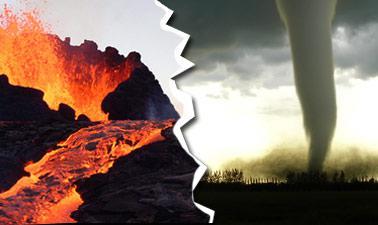
Learn the science behind different types of natural disasters and our ability, or inability, to control and predict these events. No region on Earth is immune from natural disasters. As we gain scientific understanding into the causes and nature of such phenomena, we become better able to mitigate the effects of disasters. Yet as the world's population continues to grow, an increasingly large number of people are at risk.

Class Deals by MOOC List - Click here and see EdX's Active Discounts, Deals, and Promo Codes.

This science course examines different types of natural disasters and our ability, or inability, to control and predict such events. You will gain an appreciation of natural disasters beyond the newspaper headlines, and will better understand how the effects of disasters can be reduced.

There is an urgent need for people from all walks of life to better understand the scientific principles behind the occurrence of natural disasters:

  • City planners need to know where, and where not, to site buildings.
  • Politicians need to make scientifically informed decisions.
  • Emergency management officials need to understand the nature of a potential disaster and ways to mitigate such an event.
  • Journalists need to report scientifically accurate information.

Learner Testimonial:
“Professors Stix and Gyakum have created and presented an engaging course, and have helped in my quest for a better understanding of the world around me.” – Previous Student

What you'll learn:

  • Explore the ongoing conflict between humans and nature
  • Discuss the global impact of natural disasters and how they are linked
  • Explore the scientific principles behind the occurrence of natural disasters
Go to Class
MOOC List is learner-supported. When you buy through links on our site, we may earn an affiliate commission.

Related Courses

Science & Religion 101 (Coursera) Coursera
University of Alberta

Science & Religion 101 (Coursera)

This course examines the nature of both science and religion and attempts to explore the possible relationships between them. The primary purpose is to dispel the popular myth that science and religion are entrenched in a never-ending conflict. As a result, this course argues that if the limits of both science and religion are respected, then their relationship can be complementary.

Oct 26th 2026
5-12 Weeks
Conceptual Change: How New Ideas Take Root (edX) EdX
Smithsonian,SmithsonianX

Conceptual Change: How New Ideas Take Root (edX)

Conceptual Change: How New Ideas Take Root — explores the ways students learn and develop new conceptual understandings, and shows how student misconceptions can be uncovered and addressed as a part of effective learning. This online workshop: Conceptual Change: How New Ideas Take Root? is based on ideas presented in Good Thinking! an original animated series developed by the Smithsonian Science Education Center (SSEC) and FableVision Studios as a professional development resource for K-12 science educators.

Self Paced
Self-Paced
That's So Meta(cognitive)! (edX) EdX
Smithsonian,SmithsonianX

That's So Meta(cognitive)! (edX)

That’s so Meta(cognitive)! — investigates how explicitly teaching students metacognitive strategies helps them become more effective learners, able to integrate knowledge rather than just memorize isolated science facts and definitions.

Self Paced
Self-Paced
Introduction to Genetics and Evolution (Coursera) Coursera
Duke University

Introduction to Genetics and Evolution (Coursera)

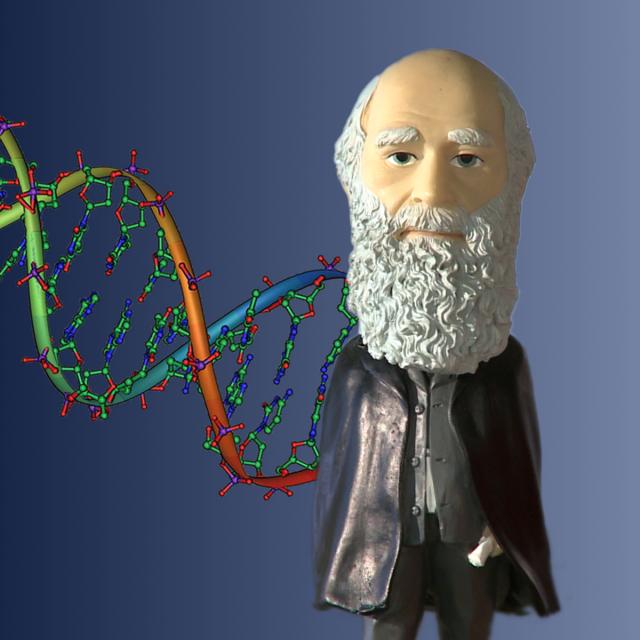
Introduction to Genetics and Evolution is a college-level class being offered simultaneously to new students at Duke University. The course gives interested people a very basic overview of some principles behind these very fundamental areas of biology. We often hear about new "genome sequences," commercial kits that can tell you about your ancestry (including pre-human) from your DNA or disease predispositions, debates about the truth of evolution, why animals behave the way they do, and how people found "genetic evidence for natural selection." This course provides the basic biology you need to understand all of these issues better, tries to clarify some misconceptions, and tries to prepare students for future, more advanced coursework in Biology (and especially evolutionary genetics). No prior coursework is assumed.

Oct 26th 2026
5-12 Weeks
Dentistry & Human Life (edX) EdX
Seoul National University,SNUx

Dentistry & Human Life (edX)

An introductory lecture on dentistry as a science and life culture. Have fun learning about the history, story, and science of dentistry that are closely related to our lives. The course “Dentistry and Human Life” is composed of 8 introductory lectures on dentistry. The Dentistry is the discipline of convergence applications, often summarized as art and science. In this course, you can learn basic but diverse perspectives of dentistry as a science and life cultures.

Self Paced
Self-Paced
Climate Change: The Science and Global Impact (edX) EdX
SDGAcademyX,SDG Academy

Climate Change: The Science and Global Impact (edX)

We need to understand the science behind global warming to avoid the most damaging and irreversible climate change impacts on people and planet. Climate change is arguably the greatest challenge of our time. Human activity has already warmed the planet by one degree Celsius relative to pre-industrial times, and we are feeling the effects through record heat waves, droughts, wildfires and flooding.

Self Paced
Self-Paced
Engineering for Your Classroom K – 3 (edX) EdX
The University of British Columbia,UBCx

Engineering for Your Classroom K – 3 (edX)

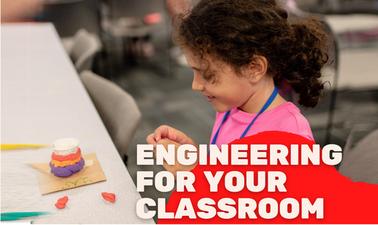
Self-paced, asynchronous course aimed to help educators introduce Science, Math, Engineering and Technology (STEM) concepts to K-3 students. This course is designed for educators to learn about ways to teach Engineering and STEM concepts to their students through fun, hands-on activities.

Self Paced
Self-Paced
Question Everything: Scientific Thinking in Real Life (edX) EdX
University of Queensland,UQx

Question Everything: Scientific Thinking in Real Life (edX)

Learn how to use math and science to solve everyday problems and better prepare yourself to continue studying science in high school and beyond. Have you ever wondered how you can apply math and science skills to real life? Do you wish you could go beyond what you've learned in the classroom? This science course will advance your knowledge as we unpack some important scientific thinking skills using real-world examples.

Self Paced
Self-Paced
Science & Cooking: From Haute Cuisine to Soft Matter Science (chemistry) (edX) EdX
HarvardX,Harvard University

Science & Cooking: From Haute Cuisine to Soft Matter Science (chemistry) (edX)

Top chefs and Harvard researchers explore how everyday cooking and haute cuisine can illuminate basic principles in chemistry, physics, and engineering. Learn about food molecules and how chemical reactions can affect food texture and flavor. During each module of this course, chefs reveal the secrets behind some of their most famous culinary creations — often right in their own restaurants. Inspired by such cooking mastery, the Harvard team will then explain the science behind the recipe.

Self Paced
Self-Paced