Medical Cannabis for Pain Control (Coursera)

Medical Cannabis for Pain Control (Coursera)

Cannabis is a group of flowering plants that has been long used for industrial, recreational and medical purposes. When relating to its medical use, the terms "Medical Cannabis" or "Medical marijuana" has become prevalent. In this course we will use the term "Medical Cannabis". Nowadays, Medical Cannabis involves multiple medical disciplines such as neuroscience, pain, pharmacology, oncology, psychiatry and more. Moreover, it has cultural, agricultural and social, legal and political implications.

Class Deals by MOOC List - Click here and see Coursera's Active Discounts, Deals, and Promo Codes.

This course will give you a solid ground to understand the whole picture.
By completing this course, you will gain a broad understanding and knowledge base related to medical use of cannabis for pain control. You will be exposed to a wide range of topics such as historical use of cannabis in ancient times, botanic aspects of the plants, and potential benefits and risks associated with its medical use to both individuals and society.

Syllabus

Week 1 - Welcome and Introduction
Week 2 - What is pain?
Week 3 - History of medical cannabis and early human contact with cannabis
Week 4 - Botanic
Week 5 - Interactions between cannabis and our body
Week 6 - Effectiveness for pain
Week 7 - Effectiveness of cannabis on other conditions
Week 8 - Safety. Safety: Lesson Choices.

Go to Class
MOOC List is learner-supported. When you buy through links on our site, we may earn an affiliate commission.

Related Courses

Health Coaching Conversations (Coursera) Coursera
Imperial College London

Health Coaching Conversations (Coursera)

Are you a healthcare practitioner or student in a healthcare field? Do you want to learn how to have more empowering conversations with your patients and support them to take control of their own health and wellbeing? Are you looking for a course to start learning these skills that also fits with your busy life? If so, this is the course for you!

Jun 3rd 2026
4 Weeks
Understanding Obesity (Coursera) Coursera
University of Edinburgh

Understanding Obesity (Coursera)

In this course, we’ll look at the facts and misconceptions around obesity and discuss key physiological and psychological concepts around the brain’s control of appetite and body weight. We’ll consider the biological and environmental pressures that make it easy to gain weight (and hard to lose it!). Most importantly, we'll give you the opportunity to reflect on your own knowledge and assumptions around the subject.

Jun 1st 2026
4 Weeks
Science of Exercise (Coursera) Coursera
University of Colorado Boulder

Science of Exercise (Coursera)

Learners who complete Science of Exercise will have an improved physiological understanding of how your body responds to exercise, and will be able to identify behaviors, choices, and environments that impact your health and training. You will explore a number of significant adjustments required by your body in order to properly respond to the physical stress of exercise, including changes in carbohydrate, fat and protein metabolism, nutritional considerations, causes of muscle soreness & fatigue, and the effectiveness and dangers of performance enhancing drugs.

Jun 1st 2026
4 Weeks
Systems Science and Obesity (Coursera) Coursera
Johns Hopkins University

Systems Science and Obesity (Coursera)

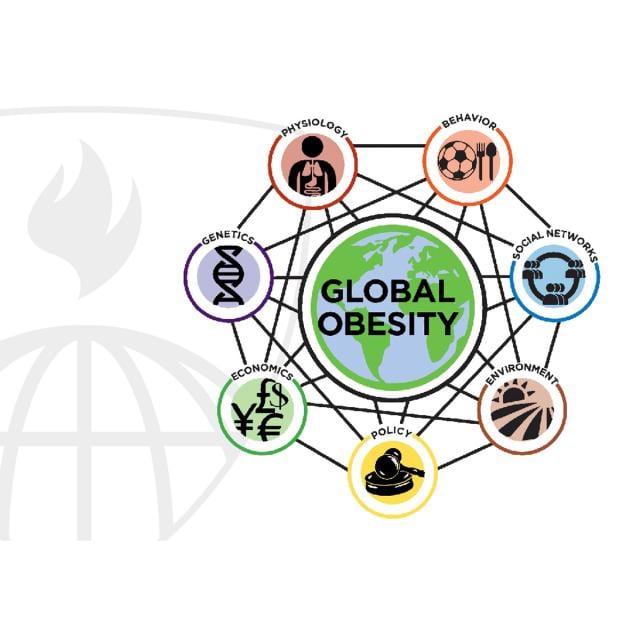
Systems science has been instrumental in breaking new scientific ground in diverse fields such as meteorology, engineering and decision analysis. However, it is just beginning to impact public health. This seminar is designed to introduce students to basic tools of theory building and data analysis in systems science and to apply those tools to better understand the obesity epidemic in human populations.

Jun 1st 2026
4 Weeks
Dentistry 101 (Coursera) Coursera
University of Michigan

Dentistry 101 (Coursera)

Dentistry 101 is an introduction to the exciting and diverse field of dentistry through the lens of its many practitioners. If you’re interested in exploring dentistry as a profession, or if you’re ready to pursue a career in it and want to prepare yourself for dental school and the profession that lies ahead, Dentistry 101 will help you better envision the paths you can take.

Jun 3rd 2026
4 Weeks
Understanding Prostate Cancer (Coursera) Coursera
Johns Hopkins University

Understanding Prostate Cancer (Coursera)

Welcome to Understanding Prostate Cancer. My name is Ken Pienta, Professor of Urology and Oncology at the Johns Hopkins School of Medicine. I have been studying prostate cancer and treating patients with prostate cancer for over 25 years. I've put together this course in order to introduce you to the essentials of prostate cancer. This Understanding Prostate Cancer Course should be helpful to anyone who wants to develop a deeper understanding of prostate cancer biology and treatment. It should be useful to students who are interested in a deeper understanding of the science of cancer.

Jun 1st 2026
3 Weeks
Clinical Epidemiology (Coursera) Coursera
Universiteit Utrecht

Clinical Epidemiology (Coursera)

Evidence forms the basis of modern medicine. Clinical research provides us with this evidence, guiding health professionals towards solutions to problems that they face in daily practice. Transferring existing problems in medical practice to a research setting is a challenging process that requires careful consideration. The practice of clinical epidemiology aims to address this through the application of established approaches for research in human populations, while at all times focussing on the problem at hand from a clinical perspective.

Jun 2nd 2026
5-12 Weeks
Primeros Auxilios Psicológicos (PAP) (Coursera) Coursera
Universitat Autònoma de Barcelona

Primeros Auxilios Psicológicos (PAP) (Coursera)

Este curso on-demand (ABIERTO, se puede cursar en cualquier momento), impartido en castellano por la Universidad Autónoma de Barcelona y el Centro de Crisis de Barcelona, está destinado a entrenar en la aplicación de primeros auxilios psicológicos (PAP) a personas afectadas por situaciones altamente estresantes, abarcando tanto emergencias cotidianas (incidentes críticos estadísticamente frecuentes que afectan de manera muy intensa: un accidente de tráfico, una hospitalización, una agresión o la muerte traumática o repentina de una persona, etc.) como emergencias comunitarias y/o masivas (sucesos infrecuentes, que afectan a muchas personas o a una comunidad entera y que sobrepasan con mucho lo que sucede habitualmente en ella: una catástrofe natural, un accidente ferroviario o aéreo o un atentado).

Jun 1st 2026
5-12 Weeks