Improving the Health of Women, Children and Adolescents: from Evidence to Action (FutureLearn)

Improving the Health of Women, Children and Adolescents: from Evidence to Action (FutureLearn)

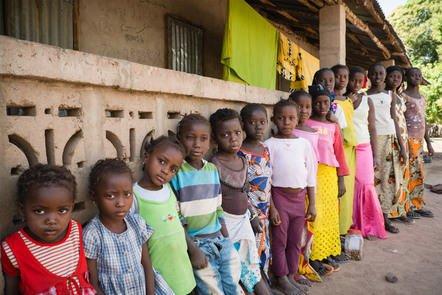
Consider the latest data, priorities and debates about the health of mothers, children and adolescents in this free online course. At a time of global concern over emerging infectious and chronic diseases, it is important to remember that millions of women and children continue to die every year from conditions that are easily preventable and treatable.

Class Deals by MOOC List - Click here and see FutureLearn's Active Discounts, Deals, and Promo Codes.

This free online course presents the latest data, priorities and debates about the health of adolescents, mothers, newborns and children in an accessible way, so that everyone has the opportunity to engage with the issues.

Explore the lifecycle from birth to adulthood
The course will run over six weeks, exploring the lifecycle from birth to adulthood, to look at adolescent, reproductive, maternal, newborn and child health.
Each week will focus on a different area, inviting you to discuss the most recent data, and the current policy, programme and research debates that inform action to improve health outcomes.
At the end of the course we will reflect on the importance of lifecycle thinking for women, children and adolescents in the context of the Sustainable Development Goals for 2030.

Get multiple perspectives on maternal and child health
The Centre for Maternal, Adolescent, Reproductive, and Child Health (MARCH) is the central hub for women’s and children’s health at the London School of Hygiene & Tropical Medicine and comprises more than 150 academics working around the world in 100 countries, from Afghanistan to Zimbabwe. In this course, you will hear from MARCH Centre experts in a range of disciplines, including epidemiology, demography, anthropology, medicine and public health.
Contributors include:
Professor Joy Lawn, Director of the MARCH Centre
Professor David Ross from the World Health Organisation Department of Maternal, Newborn, Child and Adolescent Health.

Understand case studies from around the globe
Through the use of case studies, multimedia content and discussions with other learners from around the globe, we will consider the latest evidence about how to improve the health of women, children and adolescents in the context of different country settings.

What will you achieve?
By the end of the course, you'll be able to...

  • Investigate health across the lifecycle, from newborn to child, to adolescents and women, in areas of the world where the burden of disease is highest
  • Engage with how different stages of the lifecycle affect each other
  • Evaluate the evidence on what causes poor health outcomes and what is known about how to prevent them
Go to Class
MOOC List is learner-supported. When you buy through links on our site, we may earn an affiliate commission.

Related Courses

Causes of Human Disease: Understanding Causes of Disease (FutureLearn) FutureLearn
University of Leeds

Causes of Human Disease: Understanding Causes of Disease (FutureLearn)

Learn the epidemiological methods used to understand the causes of diseases and how social factors influence their development. What causes human disease? Why do some people get a disease but others don’t? Through this course, you’ll learn how epidemiologists are helping to find answers to these complex questions and how the health of a population is measured and analysed.

Self Paced
2 Weeks
Improving Health Assessments for People with an Intellectual Disability (FutureLearn) FutureLearn
Trinity College Dublin,EIT Health

Improving Health Assessments for People with an Intellectual Disability (FutureLearn)

Learn how to improve healthcare for people with intellectual disabilities with this course for healthcare professionals. Detecting poor health and supporting people with an intellectual disability in managing their health can be challenging for healthcare professionals. During this course, you will gain valuable knowledge that you can transfer into your daily practice on how to include people with an intellectual disability in health assessments.

Self Paced
3 Weeks
Health and Wellbeing in the Ancient World (FutureLearn) FutureLearn
The Open University

Health and Wellbeing in the Ancient World (FutureLearn)

Use literary and archaeological evidence to see how ancient Greeks and Romans approached health, well-being and societal issues. What did being healthy in ancient Rome or Greece look like? How can we tell what well-being meant in ancient times? This online course will help you investigate these questions, using both literary and archaeological evidence, to uncover details of real life in ancient societies.

Self Paced
5-12 Weeks
Dysphagia: Swallowing Difficulties and Medicines (FutureLearn) FutureLearn
University of East Anglia

Dysphagia: Swallowing Difficulties and Medicines (FutureLearn)

This course will enhance the knowledge of any person involved in the administration of medicines to patients with dysphagia. The course offers an opportunity to network with other learners and with the creators of the course through discussions, graphs and social networking features and to share knowledge with other learners and professionals.

Self Paced
5-12 Weeks
Small and Mighty: Introduction to Microbiology (FutureLearn) FutureLearn
University of Reading

Small and Mighty: Introduction to Microbiology (FutureLearn)

Understand the basics of microbiology and explore the diversity of microbial life in our world. Discover the fascinating world of microbes. Microbes may be invisible to the eye, but they dominate every environment on Earth – including you. Microbes are often associated with disease yet the majority of species help to keep us alive. How can you distinguish the good from the bad?

Self Paced
3 Weeks
Why Do We Age? The Molecular Mechanisms of Ageing (FutureLearn) FutureLearn
University of Groningen,University Medical Center Groningen - UMCG

Why Do We Age? The Molecular Mechanisms of Ageing (FutureLearn)

Why do we age? Is there a limit to human lifespan? Can we prolong our lives? Find out with this free online course. Discover the science behind the ageing process. The “why” and “how” of ageing has puzzled mankind ever since it questioned its place in the universe.

Self Paced
5-12 Weeks
Understanding Anxiety, Depression and CBT (FutureLearn) FutureLearn
University of Reading

Understanding Anxiety, Depression and CBT (FutureLearn)

Improve your understanding of depression and anxiety and find out more about an effective and evidence-based treatment: CBT. Anxiety and depression are terms discussed widely, in different media and amongst family and friends. But what do those labels actually mean? On this five week course, from the University of Reading, you will explore what it means to have anxiety or depression and how they are identified.

Self Paced
5-12 Weeks
Causes of Human Disease: Understanding Cardiovascular Disease (FutureLearn) FutureLearn
University of Leeds

Causes of Human Disease: Understanding Cardiovascular Disease (FutureLearn)

Explore normal cardiovascular function and risk factors associated with heart attack, stroke and other cardiovascular diseases. Cardiovascular diseases are the leading global cause of death. On this course, you’ll learn how the cardiovascular system functions and understand common cardiovascular diseases like heart attack and stroke, as well as the risk factors associated with them.

Self Paced
2 Weeks